

Teams
- Colombia
- Greece
- Ivory Coast
- Japan
Fixtures
14 June - 1700: Colombia v Greece
15 June - 0200: Ivory Coast v Japan
19 June - 1700: Colombia v Ivory Coast
19 June - 2300: Japan v Greece
24 June - 2100: Greece v Ivory Coast
24 June - 2100: Japan v Colombia
Colombia
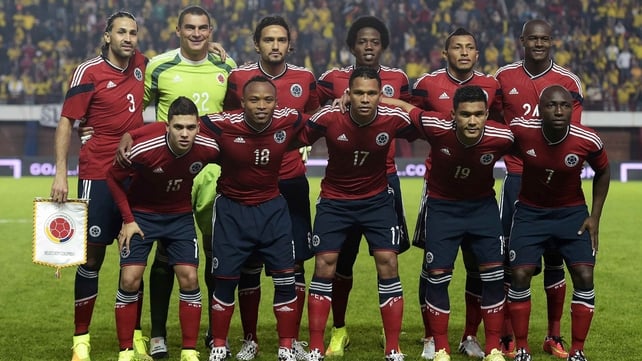
The South American side have already been dealt the cruellest of blows, as star striker Radamel Falcao failed to return to fitness following knee-ligament surgery and was not included in the final 23.
With no Falcao, Fredy Guarin of Inter Milan is the most recognised Colombia player and will play out wide in Brazil, while aother player to watch out for is Porto’s Juan Quintero. The attacking midfielder has been likened to Lionel Messi and will be hoping to establish himself in the side.
Teofilo Gutierrez is Falcao’s normal strike partner, and now the River Plate forward will have to shoulder that responsibility in Brazil. The controversial front-man once pulled a fake gun on his team-mates after being sent off, while playing for Racing Club.
Falcao’s absence may open the door for Sevilla’s Carlos Bacca, while World Cup viewers will be hoping to see Juan Cuadrado get on the scoresheet to witness one of his famous dancing celebrations.
Colombia qualified for the World Cup finishing second in the South American qualifiers, boasting the best defensive record throughout, conceding just 13 goals in 16 matches.
That defence will be key to Colombia’s chances of making it out of the group, with veteran Mario Yepes lining up alongside the experienced Camilo Zuniga of Napoli and AC Milan’s Cristian Zapata.
Elche midfielder Carlos Sanchez is known as “The Rock” and will also add protection to the defence, as he will play in the holding role for Jose Pekerman’s side.
The name Pablo Armero might ring a bell, as the Napoli defender spent the second half of the season on loan at West Ham, making just five appearances for the Upton Park side.
However, the left-back should start for Colombia, is fond of the odd foray forward and likes to have a pop at goal from distance.
Keeper Faryd Mondragon is likely to be second choice for Colombia, but should the soon-to-be 43-year-old Deportivo Cali shot-stopper make an appearance, he will become the oldest player to play in a World Cup.
Player to Watch - Teofilo Gutierrez: Now playing his club football in Buenos Aires at River Plate, Gutierrez has reached cult-hero status in his native Colombia. The 29-year-old has less than 30 caps, which rightly implies that his career has been less than conventional and has found himself in trouble on more than one occasion, most notably for pulling a fake gun on his own team-mates. However, Gutierrez’s goal ratio for his country is impressive, and he will need to hit top form to help Colombia progress.
Greece
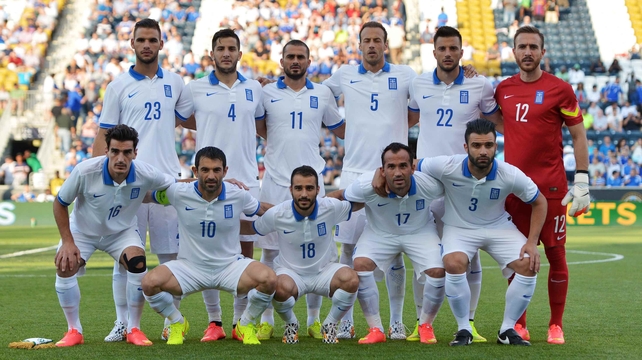
Greece arrive at their third World Cup and are eyeing a place in the last 16 for the first time in their history.
Coach Fernando Santos takes an experienced squad with him to Brazil, and the Euro 2004 winners have a great chance to qualify as they find themselves in a very evenly matched group.
Greece impressed at Euro 2012, getting out of their group to qualify for the quarter-finals. They will again base their game on a rock-solid defence, and the squad will hope that they have enough in attack to finish in the top two.
Kostas Mitroglou is Greece’s great hope for the finals, but it is fair to say that preparations have been anything other than ideal for the Fulham striker, as he barely featured for the west London side.
But Santos will be hoping that Mitroglou can find the form that saw him bag a hat-trick for Olympiakos in the Champions League last October at Anderlecht.
Fulham’s other representative in the Greece squad is Giorgos Karagounis, who has played over 130 games for his country and was a member of the Euro-winning squad in 2004. He is unlikely to start this summer but certainly will be used as an impact substitute, and his experience may prove invaluable in Brazil.
Likewise, Kostas Katsouranis also enjoyed Euro success in 2004, and the 34-year-old has passed the 100-cap mark and will start in midfield, linking play between defence and attack.
Greece will prove a well-drilled outfit and have a wealth of big-tournament experience in their squad, and while not the easiest on the eye, their work-rate and organisation has to be admired.
Departing Celtic striker Giorgos Samaras is another who has proved a fine player for his country and can provide a great outlet holding up the ball and running at defences, while the 22-year-old Kostas Manolas is one to watch in this Greece side. The Olympiakos defender could be on the move to England or another major league later this summer.
PAOK striker Dimitris Salpingidis is another striking option and may be called on should Mitroglou continue to misfire this summer.
Player to Watch - Giorgos Tzavellas: While all the attention is on out-of-favour Fulham striker Mitroglou, Greece’s chances on getting through the group stages are built on their solid defence that only conceded four goals in ten World Cup qualification games. PAOK defender Tzavellas is a very versatile player who can play on the left or in the middle and loves to get forward to unleash his thunderous left-footed efforts. He is also great with set-piece deliveries, and that approach could prove Greece’s best route to goal.
Ivory Coast
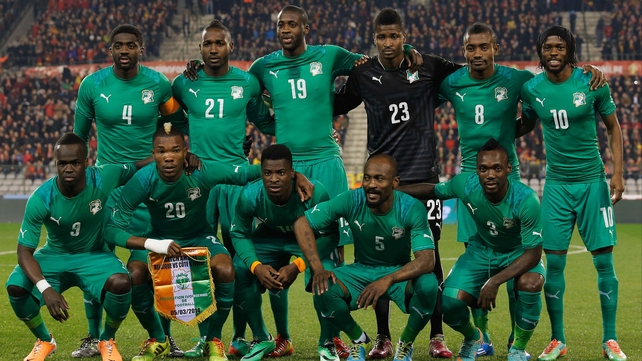
Ivory Coast quite possibly possess one of the best starting XIs in the tournament, but their lack of depth will prevent them from being considered contenders for this tournament.
Any side who can afford to leave Didier Drogba on the bench has an obvious abundance of striking options, and with Yaya Toure marshalling the midfield, the Ivory Coast will cause any side to sit up and pay attention.
Africa’s best hope at this World Cup, the Elephants find themselves in a very competitive group with no clear favourites, but, playing to their potential, they should make it into the last 16, at least.
This is the last chance saloon for an ageing side, however, with many of the old guard unlikely to be returning in 2018, including Didier Zokora, Kolo Toure, Arthur Boka, Siaka Tiene and, of course, Drogba.
The tough-tackling Newcastle United midfielder Cheick Tiote will provide cover and protection for the sublime Yaya Toure, while Saloman Kalou will also offer the African side goals from midfield.
Former Arsenal striker Gervinho has been a revelation at Roma this season and will be hoping to bring that form into the World Cup, while Wilfried Bony is another who could not stop scoring all season at Swansea. He will certainly be in the shop window with many big clubs interested in his services.
Ivory Coast’s weakness is in defence, and it could well be a case of outscoring the opposition in high-scoring, entertaining affairs. There could be trouble, however, if long-term keeper Boubacar Barry gets injured or suspended, as the other two keepers have just one cap between them ahead of the trip to Brazil.
Yet, this Ivory Coast campaign really is all about Drogba signing off from the world stage, and perhaps that might inspire the African side to stay in this tournament a little longer than expected.
Player to Watch - Yaya Toure: The younger and more skilful of the Toure brothers is on a mission to put African football on the map, as he believes that Ivory Coast and other teams from the continent don’t get the credit they deserve. Toure has just come off an exceptional season in England, where he inspired Manchester City to their second league title in three years. The midfielder may also be on the move after this tournament, as he caused a bit of commotion with “birthday cake-gate” before signing off at City for the summer. Toure generally lets his football do the talking and is one of the world’s best on his day.
Japan
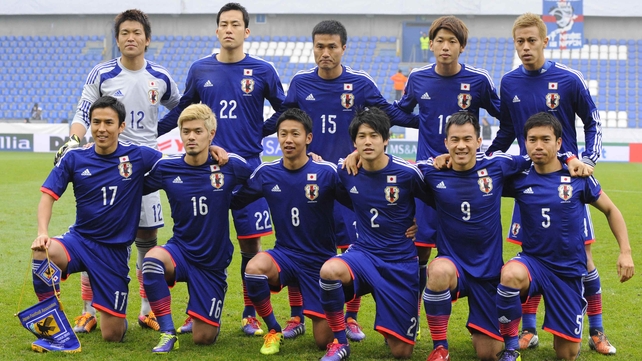
A welcome addition to any World Cup, Japan always bring fast, frenetic football to the tournament and will cause trouble for any opponent with their attack-minded approach to the game.
Expect this Japanese team to be just as adventurous under the tutelage of Italian coach Alberto Zaccheroni, who leads the Asian champions into their fifth consecutive World Cup.
Not too many of the 2010 squad who reached the last 16 in South Africa remain, yet the philosophy has evolved, as Zaccheroni has transformed the Blue Samurai into a high-tempo attacking unit.
The Italian will adopt a 4-2-3-1 formation in Brazil, and his style will see both full backs Yuto Nagatomo and Atsuto Uchida attack whenever possible.
Nagatoma plays his club football in Italy at Inter Milan and is one of Japan’s key players with his infectious energy and willingness to attack. Likewise, Uchida, who plays in Germany for Schalke 04, will be keen to impress and enjoy this World Cup, having spent the 2010 tournament on the bench.
Shinji Kagawa and Keisuke Honda will dictate play, and both are capable of getting their names on the scoresheet.
Manchester United’s Kagawa is another who spent most of last season on the bench and will be looking to prove the doubters wrong, although he may be played out of his preferred position as Zaccheroni will play him wide on the left. With Nagatomo so anxious to overlap, however, it will leave Kagawa free to drift inside to his preferred central position behind the strikers.
Honda really is Japan’s key man, and while he has not made a huge impression since his move to AC Milan, his value to the national side does not go unnoticed.
Veteran midfielder Yasuhito Endo is likely to add to his already impressive tally of 140 international caps and remains a fine passer of the ball with a mean dipping free-kick, which could prove invaluable.
Up front, Shinji Okazaki will lead the line and will be hoping to find the form that once saw him score 15 goals in 16 international matches. The Mainz frontman has enjoyed a decent season in the Bundesliga, and if Kagawa and Honda can provide, Okazaki will deliver.
Another attacking option sees Masato Kudo coming off a great season in the J League, and he could make a name for himself in Brazil.
Of course, all of this attacking ferocity could come at the cost of clean sheets, which might prove Japan’s downfall. Zaccheroni has his favourites and will continue with the sometimes suspect Yasuyuki Konno continuing in central defence.
But if that means Japan’s stay in Brazil is shorter than they would hope for, they should still leave a mark on the tournament and, as always, gain many admirers along the way.
Player to Watch - Keisuke Honda: Honda needs to be at his best in Brazil to inspire this Japanese outfit through a group that they are more than capable of getting out of. It has been a quiet year for the midfielder at club level, moving to AC Milan in January without making a huge impact in Serie A. But Honda is one of the survivors of the 2010 campaign, when he played as the central striker and scored a long-range free kick to help the Blue Samurai beat Denmark 3-1 in their final group game to advance to the knockout stages for only the second time. Honda will play behind the striker in Brazil and works very well with Kagawa, while linking up play between midfield and attack. Fond of a shot from distance, Honda has a habit of scoring vital goals, and he should rise to the occasion again this summer.
