


Munster's quarter-final loss to the Bulls means that they can finally put an end to what was a testing season, both on and off the pitch.
After starting the campaign with five wins from five in the URC, including beating Leinster in Dublin, the wheels quickly came off.
The Champions Cup proved to be too big a competition for them. Bath derailed their confident start to the season, before more European and Interpro losses further challenged their on-field form.
Behind the scenes, rumour of coaching misalignment started a cascade of off-pitch issues and what ensued made life on the pitch far more difficult than it needed to be. Not only were rugby staff announcing their departure, the province enforced cost-cutting measures which included possible redundancies.
The upside to the last few weeks of rugby was that the club managed to secure Champions Cup rugby, which is vitally important for the financial survival of any European and South African club in the current sporting climate.
The downside was that Munster would be dragged through the knockout stages of the tournament, with more hope than expectation of repeating their heroics of their 2023 victory under Graham Rowntree.
Injuries added to the unlikelihood of Munster heading to the Bulls in Pretoria and surviving the physical onslaught. However, even a full strength side would have struggled with the power of the South Africans in a home quarter-final.
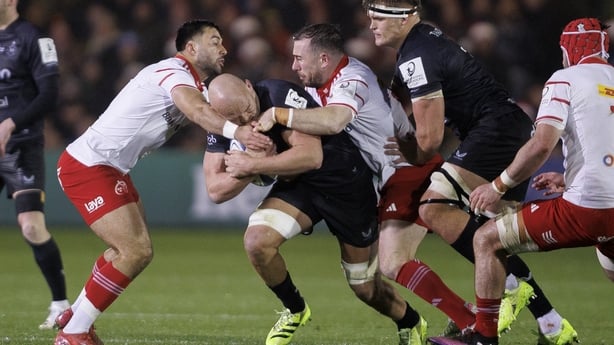
Because it’s Munster, and their tradition would suggest that they can pull off the unexpected, there was hope of causing an upset. Hope is not a strategy, and Munster’s strategy hinged on circumventing a physical battle that they couldn’t win.
The Bulls had a different interpretation of how the game would go. They exposed the travelling side's weaknesses. If you use that game to reflect Munster’s season, it gave a pretty damning but accurate report of where the club are in the on-pitch battle.
The scrum was obliterated early on. The devastated pack was already missing tighthead prop Oli Jager, as well as loosehead options, plus both of their true tighthead lock options. Jean Kleyn is heading to Gloucester for next season and is currently injured. The now established figure of Edwin Edogbo is also on the injury list, both were a huge blow to pack's physicality.
It goes to show that Munster’s squad can’t afford to deal with too many injuries. Their replacements don’t have the same power to put a stop to a side like the Bulls.
The scrum struggled. Michael Alaalatoa never stopped trying, but again, his performance showed that Munster are in desperate need for some recruitment up front. While they’ve signed Marnus Van Der Merwe at hooker and Jack Aungier at tighthead, it is rumoured that they are still looking to bolster their front five.
Their scrummaging performance all season has been way below par. Some of that is due to the personnel that they’re missing, yet the problems would only be reduced and will not vanish.
Munster’s lineout has gone through a rocky road over the last two seasons. Not only have they coughed up a massive amount of possession, their attacking game suffers from a lack of confidence when there are players looking into the lineout wondering if they’ll get the ball back to launch an attack.
The attacking rhythm and confidence takes a hit when you’ve to be creative with how the ball is won.
In saying that, Munster run clever attacking lines and generally handle the ball pretty well to create opportunities. They did so in the first half before clawing the game back to within a score. Unfortunately, basic errors in another fundamental area of the game handed the impetus back to the Bulls at a crucial stage.
Alex Nankivell gathered the kick-off receipt. His support was slow to react physically and the Bulls turned the ball over in the breakdown, scoring not long after.
The game is built on winning your set-piece, consolidating after a score by catching the ball to set up your exit, and physicality.
No matter how good Munster’s attack has been at stages throughout the season, there’s only so much you can run away from physicality. Their handling and attacking detail can allow them to punch above their weight at times. In a contact sport where physicality can make the attacking game brutal and blunt, we applaud teams that attack space.
However, that mentality can be your downfall too. Their attack struggled in the opening quarter against the Bulls, as it did for the majority of their games against top tier opposition.
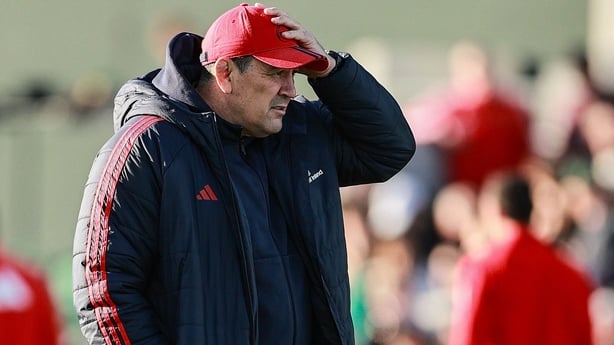
The game must be viewed as a skilful, field sport with the aim of avoiding contact to score tries. Yet, at some stage the obstacle must become the way and the physical confrontation of scrum, maul and the tackle/breakdown cannot be avoided.
Attacking intricacies are fascinating and provide entertainment, but if you’re not winning the ball, not able to launch a proper attack or blatantly just losing the collisions at the tackle line, then the game becomes exponentially harder and you’d want to either be very good at the smaller details in attack, or you must be a physical outlier.
Munster certainly aren’t the latter, and when their squad becomes light and/or bereft of international players, their game-plan effectiveness is far less.
Everything starts from the inside out in rugby. If you can’t dominate in the set-piece then your attacking launch plays will be less effective. It boils back down to player clarity and timing of runs for players like Sean O’Brien and Alex Nankivell winning the gain-line.
When the set-piece stutters, timing of ball carriers changes and last weekend Munster played off static carries or rucks that retreated back behind the gain-line.
The frustrating element of their loss to the Bulls was that it didn’t show where they can go from here. The performance and result didn’t indicate many green shoots.
Recruitment in Irish provinces is difficult due to budget cuts and reduced squad numbers. Munster have merely replaced what they’re losing.
It’s hard to see how their scrum, lineout and physicality will improve unless they can keep their best players fit.
For now, it’s back to the drawing board in the off-season, with the hope of potentially recruiting one more overseas player while addressing their coaching structures and personnel.
