


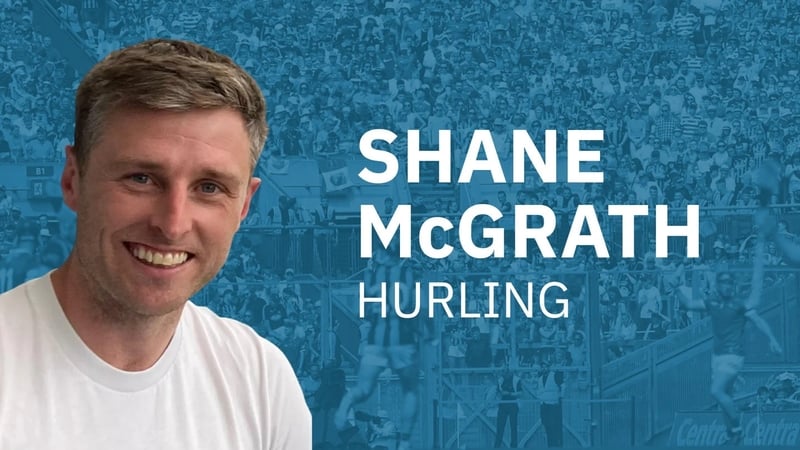

Last Friday night, I had the honour of being back on the grass in Croke Park, but this time as a member of the UL Fitzgibbon Cup management team.
Kudos to all involved with the GAA and Croke Park for allowing this to take place at HQ and long may it continue.
Our dream as players is to one day get to play in Croke Park, but that opportunity and window has become smaller and smaller in recent years, with the minor and u-20s finals taking place elsewhere – which I think is a good idea.
The bearpit that is provincial hurling also makes it much harder to get there and if this was an opportunity for a player to get to run out at Croker and it fitted into the annual Croke Park game schedule, then I would be behind that all the way.
Anyway, the topic of this week's piece was born from the frustration I can only imagine management teams are facing in Croke Park and elsewhere on the biggest of days, in terms of messaging into players.
There were only a few hundred spectators in attendance last Friday night and still it was somewhat difficult to even roar a message to players where and when needed.
As a player, on the biggest days you can hardly hear the player right beside you, let alone those on the sideline in the bigger stadiums, so roaring something in is a non-runner.
It is so frustrating when you are trying to get something in but simply can't.
We hail and watch in awe the coaching exploits of professional sports teams and how good they are to set their teams up or react to a play, but let’s just think about the ample opportunities they are being given to get a message into a player they have just spent the whole week with.
In basketball, a coach can call seven timeouts during regulation play, in the NFL they literally stop after every play and the main player is wired to the coach talking them through plays. In soccer, it’s a little harder but there are numerous avenues to get a message in due to the speed the game is played at and the amounts of breaks in play.
Now, let's talk about the fastest game in the world played on grass by amateurs. No timeouts, nobody can be mic'd up or connected to the coaches, no long breaks unless an injury occurs, the players meet three times per week for a couple of hours and still we are not allowing anyone on to get a simple message in.
Why?
Because someone ran onto a field seven years ago in Nowlan Park and did something stupid.
Why is everyone still being punished for that? Has the time been served?
Some will say you can’t have management coming in and interfering with the play and I could not agree more with that sentiment, my point is punish those stupid enough to do this and punish them severely, but please reinstate this most necessary of roles at all levels of hurling.
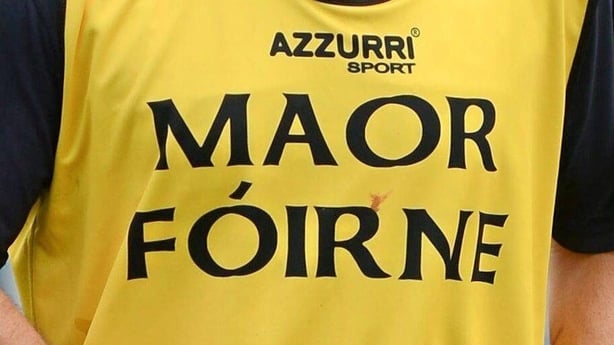
The punishment could be that team losing their maor foirne or runner privileges for the rest of the championship – no excuses, no exceptions, you mess with this and it’s gone, simple.
If this is not viable and there is this terrible fear amongst officials that this person will come in and start punching the heads off lads as they pass them – which they won't, obviously – then let the goalies be mic'd up to someone to give them some instruction as they play the part of the quarterback role for their team.
The game has never been faster, never played by stronger or faster athletes, so with all that in mind, of course there are going to be changing variables throughout the game. Getting a message in has probably never been more important than it is nowadays.
Let the players play, but let the coaches coach, and bringing this back is a no-brainer that would only benefit and add to the quality of our games.
Watch Tipperary v Limerick in the Allianz Hurling League on Saturday from 5pm on RTÉ2 and RTÉ Player. Follow a live blog on the RTÉ News App and on rte.ie/sport. Listen to Saturday Sport on RTÉ Radio 1.
Watch Allianz League Sunday from 9.35pm on RTÉ2 and RTÉ Player. Follow a live blog on all matches on the RTÉ News App and on rte.ie/sport. Listen to Sunday Sport on RTÉ Radio 1.
