


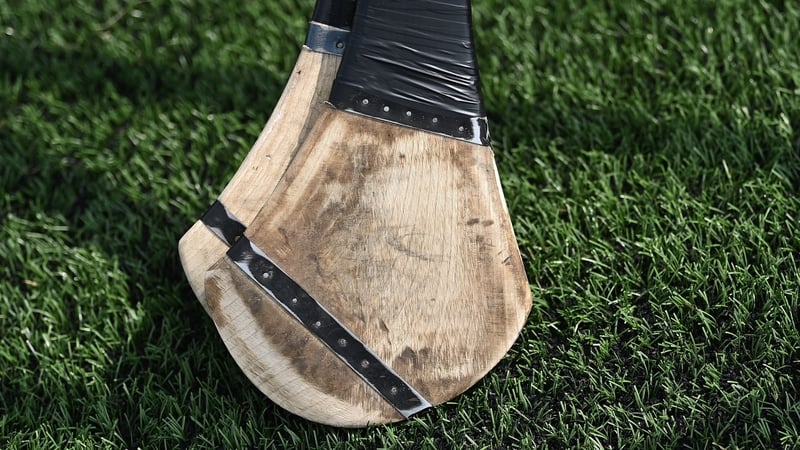

The GAA has announced the creation of a workgroup that will formulate a 'National Hurling Action Plan' in a bid to try and develop the small-ball code, with particular emphasis on counties playing in the lower-tier championships.
A recent proposal by the Central Competitions Control Committee that counties with fewer than five adult hurling clubs would not participate in the National League from 2025 drew a strong negative reaction and was ultimately not put to a vote at Central Concil last weekend.
The CCCC suggested that hurling could be improved in those counties if some of the funds spent on inter-county participation were diverted into development but the proposal was met with outrage by the counties that would have been affected - Fermanagh, Cavan, Leitrim, Longford and Louth - and further afield.
Writing for RTÉ Sport, three-time All-Ireland winner Dónal Óg Cusack questioned the GAA's commitment to the sport and suggested that the fact Martin Fogarty had not been replaced as national hurling director after his five-year-term expired in 2021 "says it all".
Ex-Kilkenny U21 manager and senior selector Fogarty last week told RTÉ Sport that a hurling taskforce was needed to help grow the game beyond its traditional heartlands.
The GAA has now confirmed the formation of a committee, chaired by Maynooth GAA's Colm Nolan, which it said would "facilitate the formulation of a three-year action plan to sustain and grow hurling in line with the overarching vision and goals set out in the GAA strategic plan."
The GAA said the primary aims of the action plan were to:
- Conduct a review of the findings and recommendations of previous plans, reports, action statements on the game over the past 15 years.
- Conduct a review and analysis of current hurling activity at club, primary, post primary, higher education and inter-county levels across all tiers of the game - but with a special focus on Joe MacDonagh, Christy Ring, Nickey Rackard and Lory Meagher counties.
- Review the current subsidised hurley and helmet scheme.
- Consult with key stakeholders as required.
- Work with the Camogie Association to identify areas/projects of common interest and co-operation for inclusion in the plan.
- Explore and identify ways in which the Camogie Association and the GAA can maximise the UNESCO Intangible Cultural Heritage status for the games of camogie and hurling in supporting the implementation of the plan.
- Produce a plan for presentation to Central Council on its findings, recommendations, and a roadmap for implementation.
The workgroup had its first meeting last Saturday, with Éibhear O'Dea [Limerick], Kieran Farmer- [Fermanagh], Keith Higgins [Mayo], Darragh Cox [Sligo], Joey Carton [Waterford], Kevin Kelly [Derry], Paddy Scales [Offaly] and Ryan Gaffney [Armagh camogie] the other committee members.
The workgroup has created a survey "to allow all those interested in the game to have a say on how hurling might be grown and developed", which can be accessed here.
GAA president Larry McCarthy said: "The formation of this group has been in process since late summer and to ensure that the association can put in place a series of actions to develop the game of hurling, it is important that those involved are reflective of all the tiers of hurling.
"As an association, it is important that any actions com ing out of this plan are realistic and I am delighted with the composition of the workgroup. All are passionate about the development of hurling, and I look forward to their recommendations.
"It is also important that we work alongside the Camogie Association, as we face similar challenges and can support each other in creating new opportunities to grow our games."
