


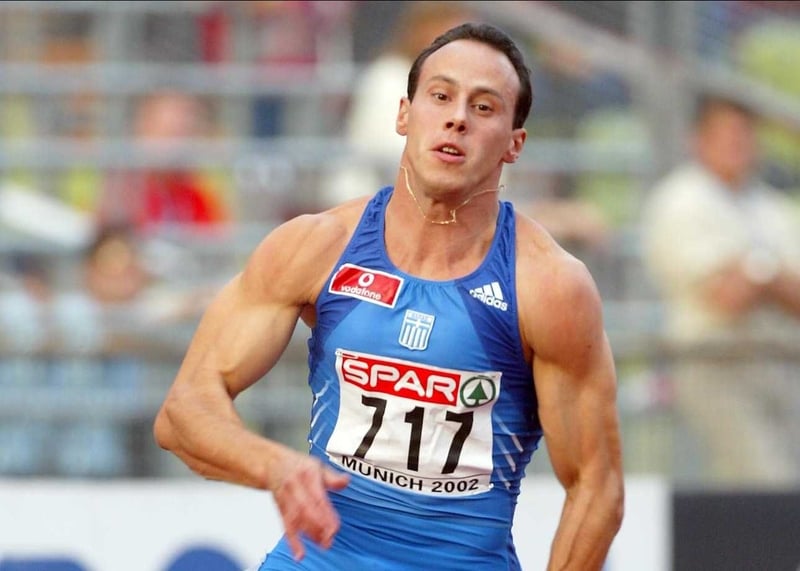
The judgement in the trial of Greek sprinters Kostas Kenteris and Katerina Thanou has been delayed for two weeks.
The pair face lengthy suspensions after missing drugs tests, one on the eve of the Athens Olympics last summer.
They were set to learn their fate by the end of February but the Greek athletics governing body postponed the decision after late evidence was submitted.
Kenteris, the Sydney Olympics 200 metres winner, and Thanou, runner-up in the 100m in 2000, both face two-year suspensions if they are found guilty.
The pair have been suspended by the International Association of Athletics Federations (IAAF) for missing tests in Tel Aviv, Chicago and Athens.
They were also issued with an official warning last year by the IAAF after they were found to be training in Qatar rather than Crete as they had told Greek athletics officials.
Athletes are required to inform their national federations of their exact whereabouts if they leave their usual home address, so anti-doping officials are able to contact them if they wish to administer out-of-competition tests.
The pair have been under scrutiny since they missed a doping test in Athens after leaving the Olympic village and their whereabouts could not be determined until much later in the evening - by which time the International Olympic Committee (IOC) officials had departed.
They were eventually contacted but asked for extra time to return to the village - a request which was refused.
Events took a further twist when they were involved in a mysterious motorbike accident which, they claimed, happened as they were returning to the Olympic village.
They remained in hospital for four days and after being discharged were suspended by their national Olympic federation.
A criminal probe was then launched and, after two months of preliminary investigations, the pair were charged by the Greek chief prosecutor with avoiding a drugs test and then faking a motorcycle accident.
Following the final hearing late last month, the pair were confident they would be exonerated after submitting new evidence, although details of the fresh material was not revealed.
