



Adobo
Serves 4-6
The high level of acidity from vinegar is what is common across most, if not all, Filipino food, and gives Filipino food its incredibly tangy, punchy and banging flavour.
When people hear adobo, they think of it as a chicken and (or) pork stew cooked with garlic, soy, vinegar and bay life, but there are so many different varieties. It can be wet, or dry, sticky or sweet, dark or lighter. Much like Irish coddle or stew, each family has their own way of doing it, and it will taste different from household to household. In my house, we like to keep it mainly with chicken, wet and dark. We like it to be deeply flavourful and have a warm bowl on a cold day. Its our ultimate comfort food. This is how I make it.
To serve 4-6 people, depending on how hungry they are
Marinade
275 ml white sugarcane vinegar (found in all Asian stores)
120 ml dark soy sauce (found in all Asian stores)
300ml light soy (which can be found in all Asian grocery stores)
12 garlic cloves, chopped finely or minced
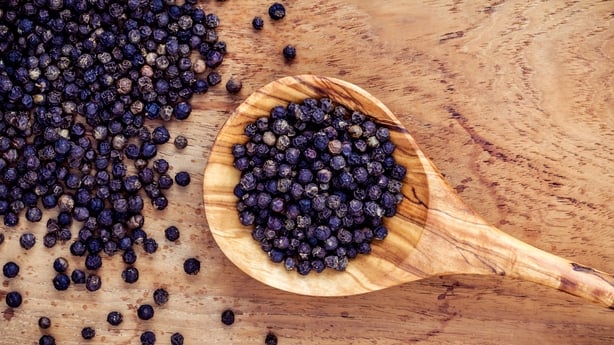
6 tsp whole black peppercorns
6 bay leaves
1 tsp brown sugar, to taste (may need more, adjust to taste)
Meat
300g skin-on bone in chicken thighs
300g skin-on chicken drumsticks,
If prefer chicken thighs over drumsticks, you can opt for all chicken thighs. But whatever you do, do NOT use chicken breast !
2 tbsp vegetable oil for frying
To serve / garnish
Steamed white rice
Scallions
First, you need to marinate your meat. And the first step in this is to make the marinate. I like to make this in a large tupperware box
Using the measurements above, stir together the vinegar, soy sauce, garlic, peppercorns, sugar and bay leaves until all thoroughly combined
Add the chicken and pork belly (if using) and leave to marinade overnight preferably or a minimum of 3 hours.
Transfer the chicken, pork to a large heavy-bottomed pot (I use a dutch oven) and brown. You can do this in batches in a smaller pot if needed.
Once meat is coloured, add remaining marinade and 300ml water to your same large pot and bring the meat in liquid to a boil. Immediately reduce the heat to medium and simmer for 30 minutes, or until the chicken is cooked through and tender. Taste, if sauce too strong add water, if too acidic, add some sugar. If sauce is too liquid for your taste, let reduce down to desired consistency.
Serve hot, with plenty of white rice and garnish with scallions if you like, and don't be afraid of the fat at the bottom, that's where the flavour is.
Sinangag (Garlic Rice)
Serves 4
A staple to any Filipino meal! This intensely garlic rice is one of my favourite things to eat and I always have a stash in my fridge.
420g Jasmine rice
6g Salt
545ml Water
30ml Vegetable oil
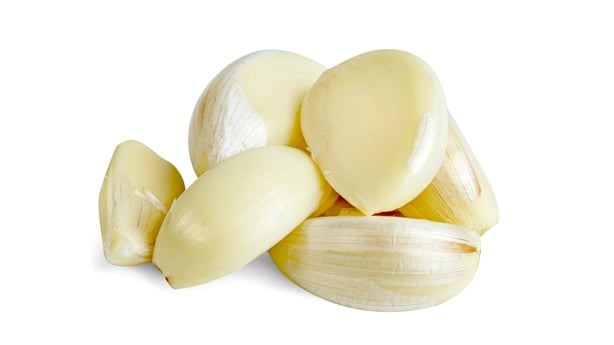
4 Cloves garlic chopped
Wash the rice until the water runs clear. Add the rice, salt and water to a medium sized pot. Turn on medium heat until it comes up to a simmer, which will take about 5 minutes. Once it's simmering, place a lid on the pot and turn the heart all the way down. Cook for 10 minutes.
Place the oil and garlic into a small saucepan and put on medium heat. When the oil comes up to temperature, the garlic will begin to fry and start to get some colour. You want it to be a light golden colour. This will take about 4-5 minutes. Keep an eye on the garlic as things can go south fairly quickly and you'll end up with bitter burnt garlic. Once your garlic is nice and golden brown, strain off the oil into a bowl and place the crispy garlic and a paper towel
After 10 minutes of cooking the rice. Turn the heat off and let it sit for 5 minutes before taking the lid off and fluffing the rice with a fork. Fluff the crispy garlic along with 1.5tbsp of the fried garlic oil from earlier through the rice.
Inihaw Na Manok
(Chicken BBQ Skewers)

Serves 4-6
These skewers are a popular street snack in the Philippines, you’ll see various vendors serving up different varieties of skewered meats and offal, like chicken intestines. I have many early childhood memories of my father making these for me whenever we had a BBQ. Banana ketchup and lemonade chicken sounds fairly jazzy but trust me, it is serious gear!
Marinade/Glaze
1tsp flaky sea Salt
1tsp freshly ground Black Pepper
450g Banana Ketchup (Can be bought in most Asian grocery stores)
150ml 7up or any lemon & lime soda
100g Brown sugar
Thumb sized piece ginger grated
35g Garlic, grated
Juice of half a lemon
30ml Sugar cane vinegar (Can be bought in most Asian grocery stores)
800g Boneless skinless chicken thighs sliced into 1 inch pieces
2 tbsp Vegetable oil
About 15 wooden skewers soaked in water for 1 hour
To make the marinade, combine all the ingredients into a bowl and mix till incorporated.
Place the sliced chicken into a mixing bowl, cover with half of the marinade, making sure to save the other half for your glaze.
Marinade the chicken, preferably overnight in the fridge or for a minimum of 4 hours. Take your wooden skewers and carefully thread on the pieces of chicken, about 4/5 pieces per skewer until all the chicken has been skewered.
To cook, place a non-stick medium sized pan on medium heat. Once up to temperature, place the oil in the pan. Working in batches, gently lay your skewers into the pan. Cook for about 8-10 minutes or until the chicken reaches an internal temperature of 75°c, while brushing with the remaining glaze and flipping the skewers so they get evenly browned on both sides.
Finish each skewer with a pinch of flaky salt and serve immediately.
Filipino Style Ribs

Serves 4-6
With BBQ season around the corner, this recipe is a handy one to serve as it’s minimal effort and maximum flavour! We shall recruit that banana ketchup glaze we used earlier on and use it to glaze the ribs.
2 Racks of baby back ribs (silver skin removed, you can ask your butcher to do it)
Seasoning Rub
1 tbsp Fine sea salt
35g Light brown sugar
1tsp Garlic powder
2tsp Coarse ground black pepper
1tsp Smoked paprika
Quarter tsp mustard powder
Glaze
1tsp flaky sea Salt
1tsp freshly ground Black Pepper
450g Banana Ketchup (Can be bought in most Asian grocery stores)
150ml 7up or any lemon & lime soda
100g Brown sugar
10g Ginger, grated
35g Garlic, grated
Juice of half a lemon
30ml Sugar cane vinegar (Can be bought in most Asian grocery stores)
Firstly, you’ll need to make the seasoning rub for the ribs. Combine all the ingredients in a bowl and whisk to incorporate. Liberally season the ribs and on both sides and wrap separately in tin foil.
To cook, place in a preheated oven @ 170°c for 1 hour. Remove form the oven and allow to cool for 15 minutes.
Now, if you’re planning to have a BBQ you can use your BBQ for this next step. Otherwise, turn your oven on grill setting to its highest temperature. To make the glaze, place all ingredients in a bowl and whisk to incorporate. Using a pastry brush, liberally brush both sides of the ribs with your glaze. Place under the grill allowing it to caramelise. Repeat this process 3 times until the ribs are well glazed.
Pancit Canton
Serves 4
Pancit is the term for a variety of traditional noodle dishes in the Philippines. There are many varieties that differ from region to region, which utilise the local ingredients native to that area. Noodles were introduced to the Philippines via early Chinese immigrants and Filipinos have adopted them into their local cuisine. This recipe can be utilised to clear out whatever veg you have knocking about your pantry!
500g Minced Pork
60g Chinese cabbage thinly sliced
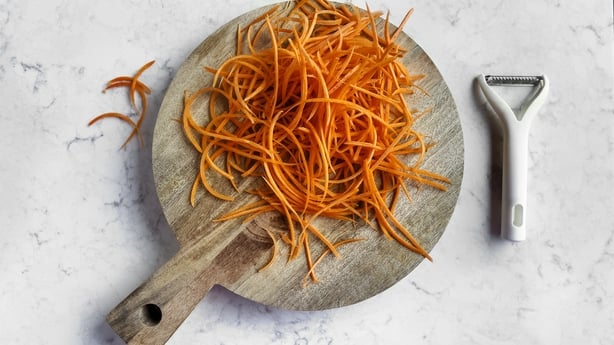
x2 Carrot julienned
1 Large onion thinly sliced
x3 Cloves garlic minced
1 Pack Egg noodles
Freshly cracked pepper
Flaky salt
Vegetable oil
2tbsp Soy sauce
2tbsp Oyster sauce
1tbsp Calamansi juice
600ml Beef stock
1tsp brown sugar
1 1/2tsp Corn starch dissolved in 1tbsp of cold water
4 soft boiled eggs to serve
Firstly, gently submerge your eggs in boiling water and cook for 6 and a half minutes. Remove and place in ice water, peel and set aside.
Place all the ingredients except the cornstarch into a small saucepan. Bring to the boil and reduce for 5 minutes. Pour in your cornstarch slurry and cook while staring for 2-3 minutes until thickened and set aside.
Take a large pan and place on medium heat. Once up to temperature, add in 2 tbsp of oil and place your pork mince in, Break up the mince with a wooden spoon and season with 1tsp of salt and 1tsp of pepper. Continue to cook for about 6-8 minutes or until done. Remove and set aside on a plate.
Wipe your pan clean and crank the heat up to high. Add another 1 tbsp of oil and add all the veg except the garlic into the pan. Season with 1tsp salt and 1tsp pepper, and continue to cook for 3-4 minutes until the veg is nice and charred. Drop the heat to medium low and stir in the garlic and cook for another minute. Add the pork back into the pan.
Cook the noodles according to package instructions, once cooked add to the pan. Toss everything together and season with about half of your sauce, taste and if you feel it needs more, add to your liking. Any leftover sauce will keep in the fridge for up to a week Serve in bowls with the soft boiled eggs that have been sliced in half and seasoned with flaky salt.
Beef Mechado
Serves 4-6
Mechado is a braised beef dish originating in the Philippines, influenced by the Spanish colonisation of the Philippines, which lasted roughly for about 330 years. Mechado comes from the Spanish root word, Mecha, which means "wick. It’s a one pot dish, so it’s fairly handy to make if you’re cooking for friends or family.
Calamansi - is a native citrus to the Philippines. It is a cross between a kumquat and a mandarin, and looks like a tiny lime, but tastes closer to a lemon. It is widely used in most Filipino dishes, but unfortunately you can’t source fresh calamansi here in Ireland. Pinoy Sari Sari is a Filipino grocery store just off Capel street, and they sell bottles of 100% calamansi juice extract which is what I use.
1.2kg of diced beef shin
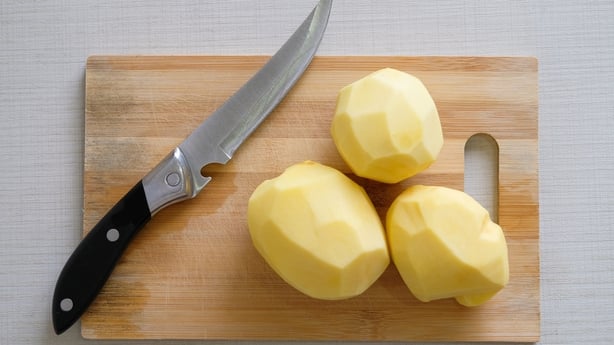
400g Rooster potatoes peeled and quartered
3 Carrots cut into 2 inch pieces
2 Onions roughly chopped
x4 Cloves garlic minced
x1 Green pepper roughly chopped
x1 Red pepper roughly chopped
x2 Bay leaves
1tsp Smoked paprika
x1 Can chopped tomatoes
400ml Beef stock
85ml Dark soy sauce
60ml Calamansi juice (Can be bought in Pinoy Sari Sari/ Can substitute with 40ml of fresh lemon juice if you can’t source)
Vegetable oil
Flaky sea salt
Fresh black pepper
Steamed or Garlic rice to serve
Begin by taking a large pot or Dutch oven, place on medium high heat, and put 2 tbsp of vegetable oil in there.
Liberally season the beef with salt and pepper and carefully lay your beef into the pot once it is up to temperature. Brown your meat off in batches. Once all your meat has been browned, turn the temperature down to medium, and add another 1tbsp of oil. Place your onions and carrots into the pot and cook for 4 minutes, then add in your garlic and cook for another 2 minutes. Return the beef to the pot and throw in your bay leaves and smoked paprika, cook while stirring for another minute.
At this point you can add your soy sauce, calamansi, beef stock and chopped tomatoes, giving everything a good stir to incorporate. Bring to the boil then drop the heat to medium low to maintain a gentle simmer. Let this cook for about 2 hours, making sure to stir the pot every 15/20 minutes.
After those 2 hours you can put the potatoes in the pot and cook it until the potatoes are tender, which should take around 25 minutes. Then you can go in with the peppers and cook for another 5 minutes.
By now, everything should be good to go. Finish by seasoning the pot with 1tbsp flaky salt and 8 cracks of fresh black pepper. Give it a taste and if you feel it needs more seasoning, please feel free to adjust to your liking. Any leftovers can be stored in the fridge for up to 3 days.