


Panel: Éanna Ní Lamhna, Richard Collins and Niall Hatch
Reporter: Terry Flanagan
In addition to listening to us on RTÉ Radio 1 at 22:00 every Monday night, don't forget that you can also listen back to each of our programmes any time you like at www.rte.ie/mooney. There, you will find an extensive archive of past broadcasts, conveniently split into different topics and segments.
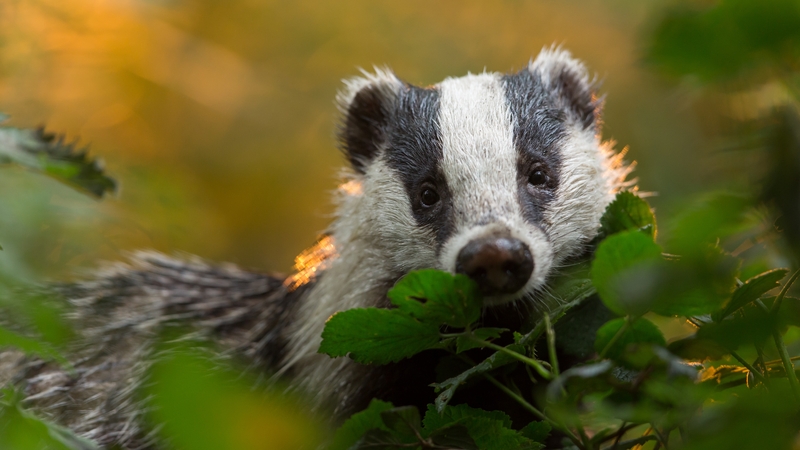
Tonight’s programme features a lovely gentleman called Martin, who lives in South Dublin and who puts out food in his back garden each evening for his local foxes and badgers. We first featured Martin and his garden visitors in a special programme which was broadcast in August 2025 and which is our suggested listen this week from the Mooney Goes Wild back catalogue. In it, Terry Flanagan and Niall Hatch spend an evening in Martin’s house, keeping careful watch for what might turn up... and they are not disappointed.
To listen to this programme from the extensive Mooney Goes Wild archives, visit https://www.rte.ie/radio/radio1/clips/22538364/.
Wych begs the question
If you were listening to our series of Nature Nights LIVE programmes earlier this month, for which we teamed up with the Tree Council of Ireland and Coillte to celebrate National Tree Week 2026, you will be well aware just how important trees are for biodiversity, people and the environment.
Despite the clear benefits they bring, trees have often had a hard time of it in Ireland, with many of our native species having declined drastically. A case in point is the Wych Elm, populations of which have been ravaged by the infamous Dutch elm disease, to the extent that almost all of the individuals over the height of three metres have been killed.
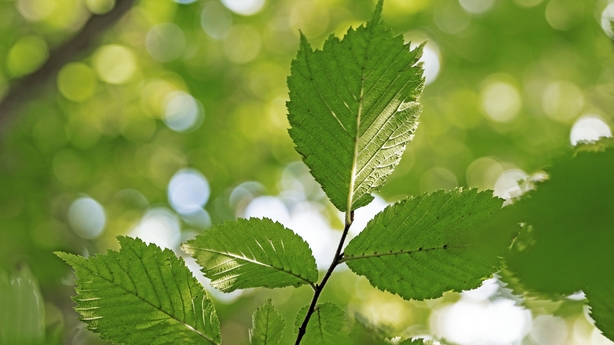
Almost all... but not quite all. Last year, Arboricultural Consultant Joe McConville, former President of the Tree Council of Ireland, noticed that four mature elm specimens appear to have survived in Kenilworth Square, located in the Dublin suburb of Rathmines. It seems that these particular elms must have some degree of tolerance to the beetle-spread fungus which causes Dutch elm disease. Just what is their secret, and could careful study of their genetic composition help us to combat this disease elsewhere and bring elm trees back from the brink across Ireland? Joe joins us in-studio for tonight’s programme to tell us more.
To learn more about Wych Elms in Ireland, visit https://www.treecouncil.ie/native-irish-tree-item/wych-elm.
For more information about Dutch elm disease, visit https://teagasc.ie/crops/forestry/advice/forest-protection/dutch-elm-disease/.
To listen back to all of the programmes in our Nature Nights LIVE 2026 series, visit https://www.rte.ie/radio/radio1/nature-nights/.
Backyard badgers and flowerbed foxes
In August of last year, we brought you a report from the suburban back garden of a very kind and accommodating gentleman called Martin, who lives in South Dublin and who receives regular evening visits from his local badgers and foxes. These nocturnal mammals are normally rather shy and retiring around people, but the regular supplies of food that Martin provides for them has made them that bit bolder.
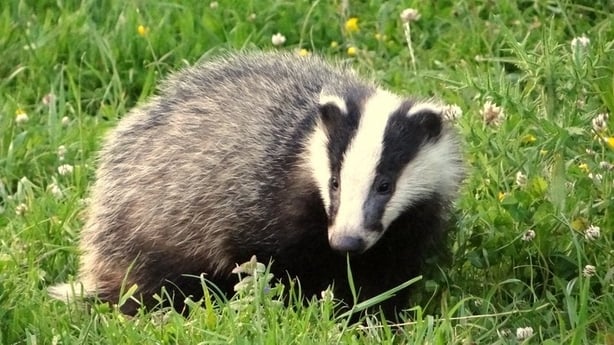
We were keen to find out how Martin and his garden guests have been getting on, so for tonight’s programme our roving reporter Terry Flanagan paid a return visit.
For more information about badgers, visit https://www.vincentwildlife.ie/species/badger.
For more information about foxes, visit https://www.vincentwildlife.ie/species/fox.
For more information about the responsible feeding of foxes, badgers and other wild mammals in gardens, visit https://iwt.ie/foxes/.
Meet the Woodcock: the wader that doesn’t wade
The Woodcock is one of Ireland’s most secretive and easily overlooked bird species, both on account of its superb camouflage and its largely nocturnal habits. Members of the wader family, as their long, probing bills would suggest, they eschew the wetland habitats favoured by their cousins for the leaf-litter-strewn floors of forests and woodlands, where their mottled brown plumage blends in perfectly and renders them virtually invisible.
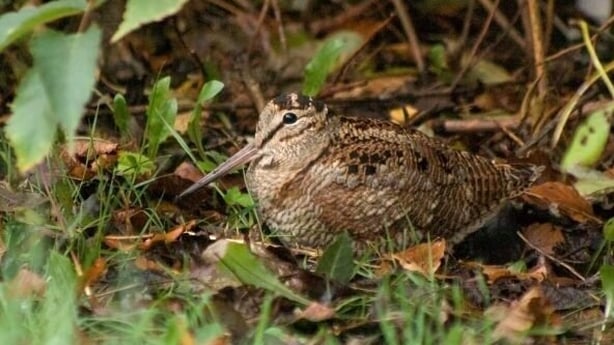
These furtive habits make the species a very difficult one to survey, but one person who was willing to take on the challenge is James O’Neill, a post-doctoral researcher at the School of Biological, Earth and Environmental Sciences in University College Cork. James – whose paper on the national distribution and population size of the species was recently published in the international ornithological journal Ibis – joins us on tonight’s programme to tell us more about these fascinating birds, how their populations are doing, both here in Ireland and elsewhere in the world, and what can be done to help them to thrive.

By the way, many of you will have come across the Woodcock in another context, perhaps without realising: in pre-euro days, it was the bird featured on the heptagonal Irish 50 pence piece and, before that, on the pre-decimal farthing. Remember those?
For more information about Woodcocks, visit https://birdwatchireland.ie/birds/woodcock/.
For more information about James O’Neill’s research on Woodcock, visit https://cora.ucc.ie/items/13378071-90b9-4730-8117-b326c6c70b2a.