


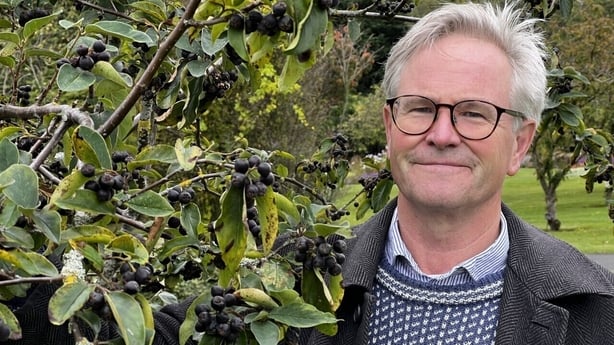
Panel: Matthew Jebb, Éanna Ní Lamhna, Richard Collins and Niall Hatch
Reporter: Terry Flanagan
In addition to listening to us on RTÉ Radio 1 at 22:00 every Monday night, don't forget that you can also listen back to each of our programmes any time you like at www.rte.ie/mooney. There, you will find an extensive archive of past broadcasts, conveniently split into different topics and segments.
On Bank Holiday Monday 2nd February, RTÉ Radio 1 celebrated The Great Big Garden Birdwatch, featuring tips on feeding and identifying Ireland’s garden birds from our team of experts across various different programmes on the station throughout the day.
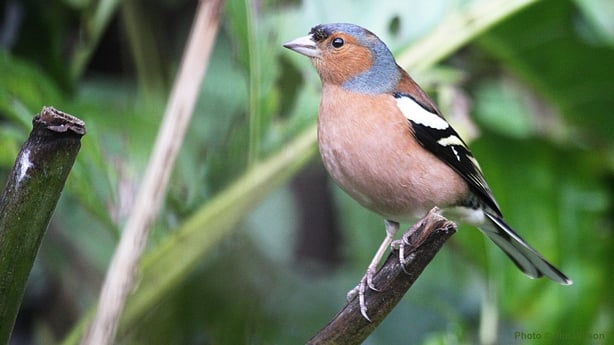
The highlight of the day was our Nature on One Garden Bird Special, which was broadcast at 12 noon, featuring Derek Mooney in conversation with our garden bird experts Jim Wilson and Niall Hatch in Jim’s sunroom at his house in Cobh, Co. Cork. There, they discussed the comings and goings of the various different birds visiting Jim’s bird tables and bird feeders.
What’s more, thanks to our fantastic cameraman Dónal Glackin, you can even watch simultaneous video footage of the birds as Derek, Jim and Niall discuss them, at https://www.rte.ie/radio/radio1/mooney/2026/0201/1556314-nature-on-one-garden-bird-special-feb-2nd-2026/.
To view more of Jim's video gallery of garden birds, visit https://www.rte.ie/radio/radio1/mooney/2026/0122/1554548-the-great-big-garden-birdwatch-gallery/.
For more information about Ireland’s garden birds, courtesy of Jim Wilson, visit https://www.rte.ie/radio/radio1/mooney/generic/2020/1116/1178558-jim-wilsons-guide-to-garden-birds/.
To view our livestream of all the bird action from Jim Wilson’s garden in Cobh, visit https://www.rte.ie/radio/radio1/mooney/2026/0119/1553982-the-great-big-garden-birdwatch-live-stream/.
Dr. Matthew Jebb is back... it’s about lime!
We were delighted to have recently retired Director of the National Botanic Gardens, the esteemed Dr. Matthew Jebb, on the programme a couple of weeks ago. So many queries for him came in from our listeners that we simply had to invite him back again this week to continue our conversation.
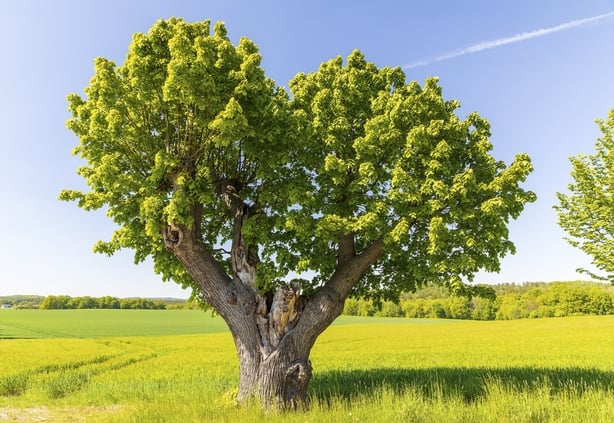
Given that Matthew is with us, we kick off tonight’s programme with a panel discussion about Lime trees: their characteristics, their ecology and their place in the Irish landscape. This tree species is particularly known for the large mass of woody shoots that can sprout from the base of the trunk, which makes them both well-adapted to propagate themselves after storms and easy for us humans to identify.
Our panellists also discuss the similar phenomenon of dense clusters of tangled branches, resembling birds’ nests, known as witches’ brooms, which are caused by a fungal infection.
For more information about Lime trees in Ireland, visit https://www.treecouncil.ie/common-trees/lime.
For more information about witches’ brooms, visit https://www.woodlandtrust.org.uk/blog/2024/11/witches-broom/.
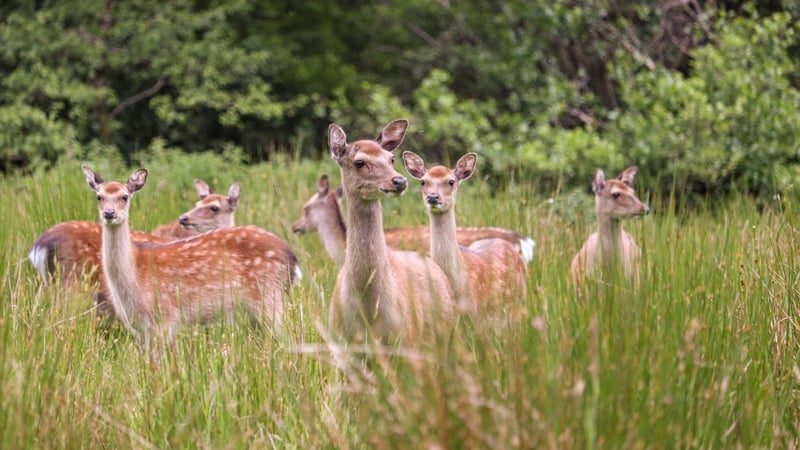
Designated deer: Sika added to the list of EU invasive alien species
Invasive alien species are animals and plants that are introduced accidentally or deliberately into a natural environment where they are not normally found, bringing with them serious negative consequences for their new environment. They are considered a major threat to native plants and animals in Europe and are deemed to be one of the key causes of biodiversity loss.
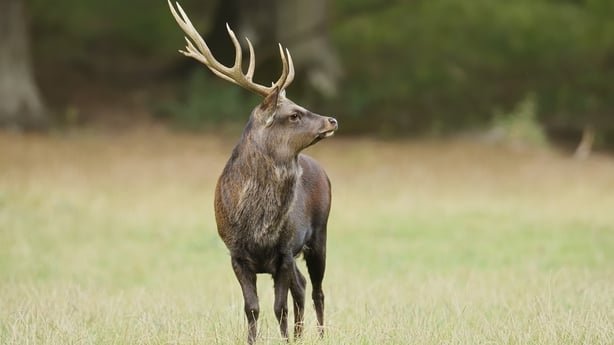
The European Union has recently added Sika, a widespread deer species across much of Ireland that is native to East Asia and was introduce to our island in the 19th century, to the list of invasive alien species of concern in Ireland. But what does this mean in practice for deer management here? Will the Irish State now have to take efforts to eradicate these non-native deer, or will a less drastic approach be taken. Damien Hannigan of the Irish Deer Commission joins us on tonight’s programme to tell us more.
For more information about Sika in Ireland, visit http://irishdeercommission.ie/sika-deer/.
For more information about the Irish Deer Commission, visit http://irishdeercommission.ie/.
Biophilia at the Bots
"Biophilia", which translates as "the love of life, is a word that is increasingly being used to describe the innate tendency of humans to connect with nature. It has been recognised officially since the 1960s, but in reality it is as old as our species itself... and probably even older.
In the modern world, there is an increasing appreciation of the role that immersion in the natural world plays in the maintenance and improvement of both mental and physical health. In a nutshell, nature’s presence is good for the soul.
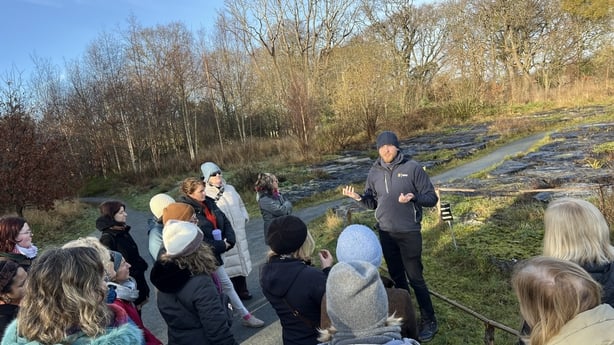
One place where the benefits of biophilia are readily apparent are the National Botanic Gardens at Glasnevin, an oasis of nature, calm and beauty which is open to all, free of charge, every day of the year apart from Christmas Day. A premier scientific institution, the Gardens contain important collections of plant species and cultivars from all over the world.
Instead simply of wandering around "The Bots" on a self-guided stroll, you might like to sign up for one of the many "walk and talk" tours that take place throughout the year. For the month of January, tour guide Eoin O’Reilly organised a tour entitled "Biophilia".
For tonight’s programme, we sent along our roving reporter Terry Flanagan, accompanied by Richard Collins, to join one of Eoin’s tours. They discover what exactly biophilia means, how it manifests in everyday life and its relevance to environmental wellbeing.
For more information about guided tours at the National Botanic Gardens, visit https://www.botanicgardens.ie/glasnevin/tours/.
More about biophilia
Staying with that theme, having heard Terry’s report, our panel’s conversation returns to the concept of biophilia – the love of life. Éanna questions whether we really need a new term for enjoying nature, suggesting that humans do this naturally, without the need for labels. Matthew also tells us how medical practitioners are even now prescribing walks in nature to their patients, given how clear the mental and physical health benefits can be.
For more information about the concept of biophilia, visit https://en.wikipedia.org/wiki/Biophilia_hypothesis.
Ancient shamrock at the Trinity College Herbarium
Dr. Peter Moonlight is the Curator of the Herbarium at Trinity College Dublin's School of Botany. The institution holds half a million dried plant specimens, dating back to the early 1700s - including, as you will hear on tonight’s programme, what is possibly the world’s oldest shamrock specimen! Who else would we send to chat to Peter about all of this but our resident botanist Éanna Ní Lamhna?
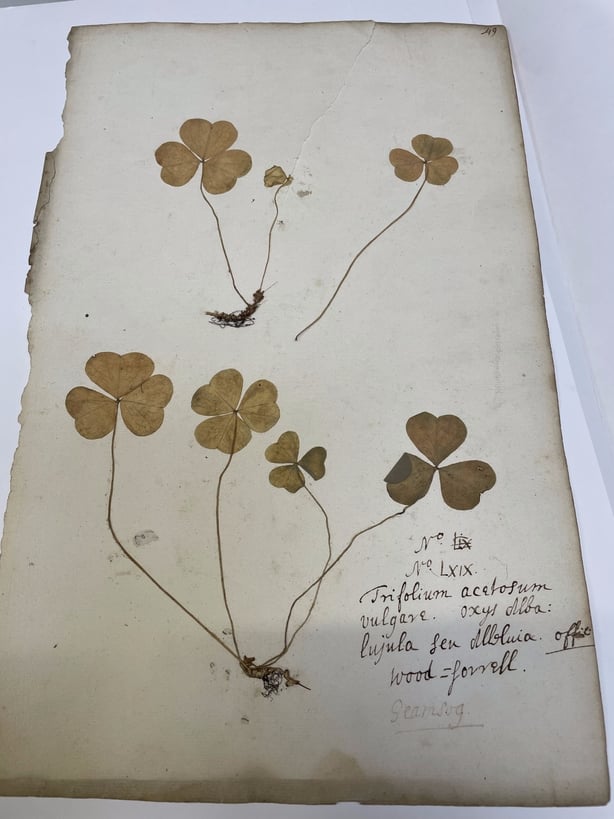
For more information about Trinity College Dublin’s world-class Herbarium, visit https://www.tcd.ie/botany/facilities/herbarium/.
BirdWatch Ireland’s Irish Garden Bird Survey: it’s not too late to take part!
Since the start of December, we have been encouraging you, our loyal listeners, to submit your garden bird records to BirdWatch Ireland’s Irish Garden Bird Survey, which runs until the end of February and is Ireland’s longest-running citizen science initiative.
So, while you are enjoying watching our feathered friends as they flock to your garden, you can also make a valuable contribution towards monitoring their conservation status and ensuring that they can have a bright future. It’s easy, it’s fun... but, be warned, it’s extremely addictive!
For more information about BirdWatch Ireland’s Irish Garden Bird Survey and to submit your own records, visit https://birdwatchireland.ie/our-work/surveys-research/research-surveys/irish-garden-bird-survey/.