


To listen to RTÉ.ie's radio and podcast services, you will need to disable any ad blocking extensions or whitelist this site.
0
00:00
00:00
Episode Notes
Panel: Jim Wilson & Niall Hatch
Interviewer: Éanna Ní Lamhna
Reporter: Terry Flanagan
In addition to listening to us on RTÉ Radio One at 22:00 every Monday night, don't forget that you can also listen back to each of our programmes any time you like at www.rte.ie/mooney. There, you will find an extensive archive of past broadcasts, conveniently split into different topics and segments.
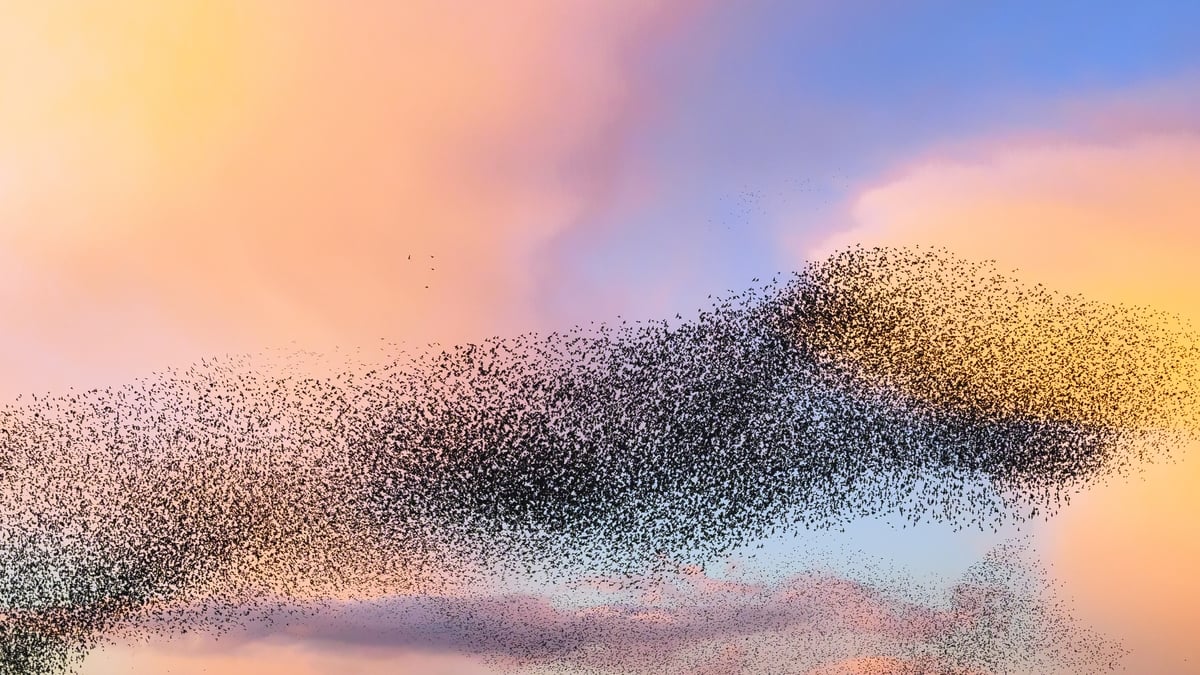
Tonight’s programme features a fascinating discussion about Starling murmurations, one of the most amazing spectacles in the natural world, when thousands of these small birds gather together on winter evenings and perform a breath-taking aerial display.
With that in mind and to help you to learn more about this avian phenomenon, our suggestion from the Mooney Goes Wild archives this week is a special programme all about Starling murmurations, which was first broadcast in December 2015. In it, Derek and the team report from various Starling roost sites throughout Ireland and beyond to capture the magical atmosphere of these awe-inspiring aerial performances.
To listen to this programme from the Mooney Goes Wild archives, visit https://www.rte.ie/radio/radio1/mooney/2015/1227/756094-mooney-goes-wild-sunday-27-december-2015/
Keeping track of Starling murmurations this winter
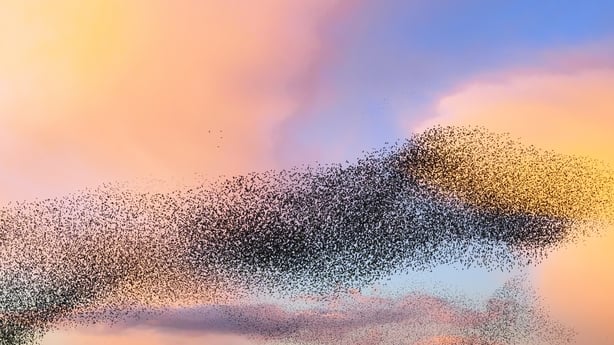
One of the most exciting things for birdwatchers about the winter season is the chance to witness one of the most impressive and breath-taking spectacles in the natural world: a Starling murmuration. Individually, Starlings are small, dark birds that at first glance don’t seem particularly special. When they gather together in massive flocks on winter evenings to perform their aerial ballet, however, it’s quite a different matter.
Murmurations are huge groups of Starlings that twist, turn, swirl and swoop across the sky in beautiful shape-shifting clouds. As dusk approaches, flocks of these small birds come together from every direction, building momentum as their numbers swell until thousands of wingbeats join in a spell-binding synchronised flight. It is undoubtedly one of the most awe-inspiring of natural wonders, and planning a trip to witness the shapeshifting mass of movement is always worth the effort.
On tonight’s programme, our panel discusses the phenomenon of Starling murmurations and gives some tips on where and when to go to experience it for yourself over the course of the winter.
We also hear about BirdWatch Ireland’s Irish Starling Murmuration Survey, an annual citizen science project which invites members of the public to keep an eye on the sky and to report any sightings of Starling murmurations to the BirdWatch Ireland website. Helping this conservation charity to identify the locations and habitats that Starlings rely on at this time of year will provide information needed to improve protection for this declining species in winters to come.
For more information about Starlings, visit https://birdwatchireland.ie/birds/starling/
For more information about BirdWatch Ireland’s Irish Starling Murmuration Survey and to report your own sightings, visit https://bwi.maps.arcgis.com/apps/GeoForm/index.html?appid=81bc5538f405405680b7045a84f4e3d5
Samhain agus Science
Currently underway, having returned for its seventh year, is Samhain agus Science, an annual science festival organised by the Dublin Institute for Advanced Studies (DIAS) which brings together researchers from around the world for a series of free events that explore the 'dark’ side of science and Celtic heritage.
The festival will conclude tomorrow, Tuesday 12th November, with what promises to be a fascinating lecture entitled Fin Whale Sounds Beneath Your Feet at 19:00 in DIAS Geophysics, 5 Merrion Square, Dublin 2. To find out more, we dispatched our roving reporter Terry Flanagan to speak to Prof. Chris Bean of DIAS about the topic and the phenomenon of Samhain agus Science itself.
For more information about Samhain agus Science, visit https://www.dias.ie/samhain-agus-science/
To book tickets for the Fin Whale Sounds Beneath Your Feet lecture, visit https://www.eventbrite.ie/e/fin-whale-sounds-beneath-your-feet-tickets-1049639519057?aff=odcleoeventsincollection
Global plant "dark spots"
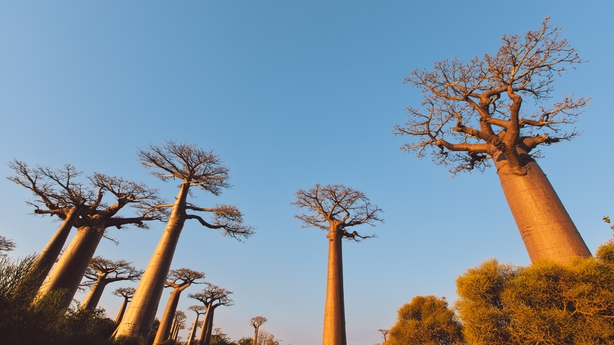
A recent study by botanists at Kew Royal Botanic Gardens in the UK has identified 33 "dark spots" around the world where it is believed thousands of plant species are still waiting to be discovered. The study’s authors believe that more than 100,000 species of plant have yet to have been identified, and sadly the majority of these are thought to be at risk of extinction. No doubt many have already perished before we even became aware of their existence, with knock-on consequences for entire ecosystems. Scientists also believe that many of the unknown species could hold clues to future drug discoveries, fuels or other innovations.
To find out more about undiscovered plant species and global botanical "dark spots", for tonight’s programme Éanna Ní Lamhna spoke to our good friend Dr. Matthew Jebb, Director of the National Botanic Gardens at Glasnevin in Dublin.
For more information about global plant "dark spots" and the results of the Kew study, visit https://www.theguardian.com/environment/2024/oct/01/kew-botanic-gardens-study-33-dark-spots-plant-species-identification-unknown-biodiversity-
For more information about the National Botanic Gardens at Glasnevin, visit https://heritageireland.ie/places-to-visit/national-botanic-garden/
Gut health in birds
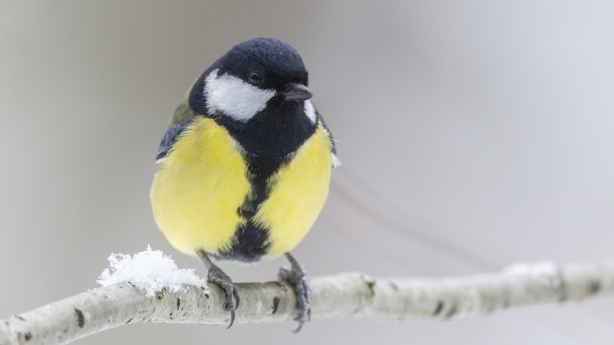
For the first time, researchers have provided direct evidence of the role of gut health in wild populations of birds. Researchers at University College Cork recently published their findings in Proceedings of the National Academy of Sciences, having developed an ingenious new way to isolate and culture wild strains of a microorganism called Lactobacillus kimchicus, then feed them to wild Great Tit chicks.
Shane Somers, PhD student in UCC’s School of Biological, Earth and Environmental Sciences led the research and joins us on tonight’s programme to tell us more.
For more information about this University College Cork study of gut health in birds, visit https://www.ucc.ie/en/researchandinnovation/news/2024/ucc-led-study-shows-wild-birds-health-and-likely-survival-is-affected-by-the-gut-microbiome.html
Farewell to our Researcher, Michele Browne
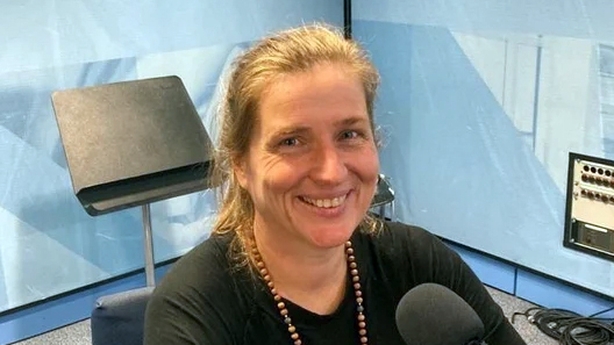
Finally, we would like to wish a very fond farewell to our Mooney Goes Wild Researcher Michele Browne as she dons a producer’s hat and moves over to join the team at Drivetime. Michele has been a vital part of the Mooney Goes Wild programme team and will be greatly missed by us all. We would like to wish her the very best of luck in her new role within RTÉ and to thank her for all she has done for our programme.