To listen to RTÉ.ie's radio and podcast services, you will need to disable any ad blocking extensions or whitelist this site.
0
00:00
00:00
Episode Notes
Panel: Éanna Ní Lamhna, Richard Collins, Terry Flanagan & Niall Hatch
In addition to listening to us on RTÉ Radio One at 22:00 every Monday night, don't forget that you can also listen back to each of our programmes any time you like at www.rte.ie/mooney. There, you will find an extensive archive of past broadcasts, conveniently split into different topics and segments.
Tonight's programme features the fantastic news that a rare species of orchid, the Autumn Lady's Tresses, has been rediscovered in Oranmore, Co. Galway. With that in mind, and to help you get to know a bit more about Ireland’s orchid species, our suggestion this week from the Mooney Goes Wild archives is a segment about one of the eight species of native orchids which can be found growing on Dublin’s Bull Island. First broadcast in July 2015, it features our roving reporter Terry Flanagan and wildlife ranger Pat Corrigan as they go on the hunt for the Bee Orchid, which tricks bumblebees into trying to mate with it in order to achieve pollination.
To listen to this segment from the Mooney Goes Wild archives, visit https://www.rte.ie/radio/radio1/clips/20815699/
Wings, BirdWatch Ireland’s membership magazine
In addition to being a regular panellist here on Mooney Goes Wild, Niall Hatch is the Head of Communications and Development with BirdWatch Ireland, one of Ireland’s largest and most active conservation charities. The organisation’s vital work to conserve and protect Ireland’s wild birds and their habitats is funded in large part by its 15,000 members across Ireland and beyond.
One of the key benefits that those members each receive is BirdWatch Ireland’s regular membership magazine, Wings, of which Niall is managing editor. To kick off tonight’s programme, Derek and Niall chat about the contents of the recently published Summer 2024 issue of Wings magazine, highlighting some of the key stories and features in its pages.
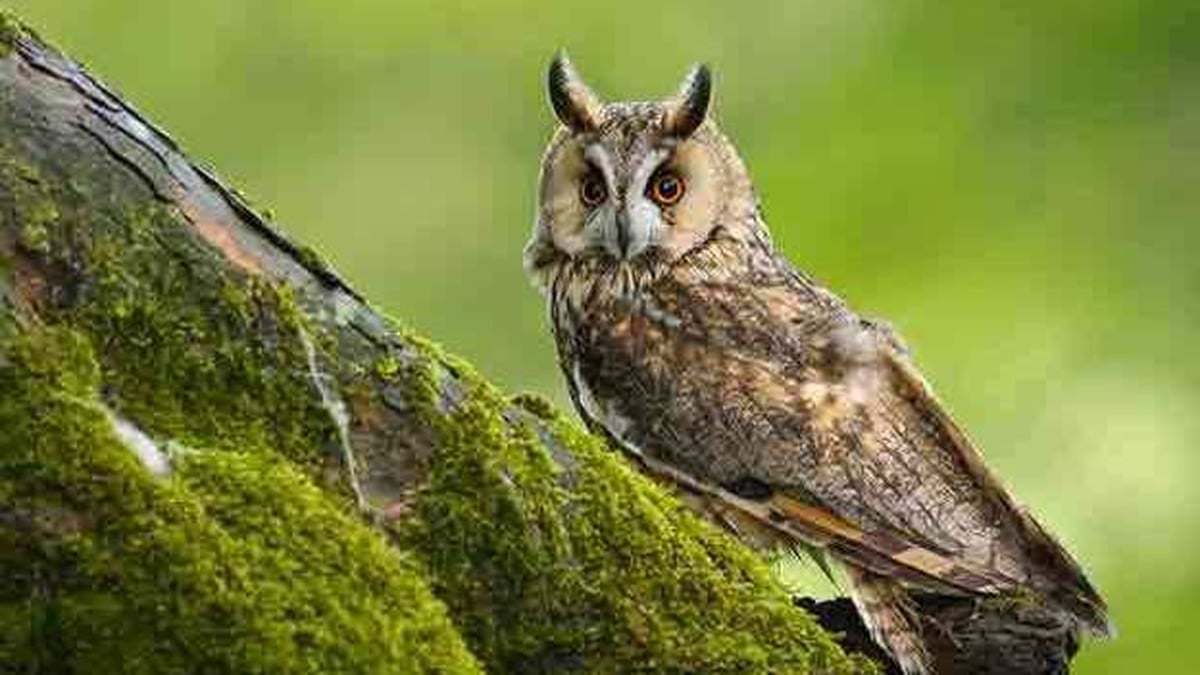
One item in the magazine which particularly caught Derek’s eye is a special photo-feature showcasing beautiful images captured by photographer Fiona Keane, tracking the progress of a growing family of Long-eared Owls. These nocturnal birds of prey are widespread in Ireland, though their secretive nature means they are much more often heard than seen. On tonight’s programme, we get to grips with the sounds that they make and tell you how you might manage to track them down yourself.
For more information about BirdWatch Ireland and to join as a member to support its conservation work, visit https://birdwatchireland.ie/get-involved/join-us-become-a-member/
For more information about Wings magazine, visit https://birdwatchireland.ie/publications-list/publications-wings/
For more information about Long-eared Owls, visit https://birdwatchireland.ie/birds/long-eared-owl/
Terry’s Nature News
If you are reading this, chances are you are already a fan of our Mooney Goes Wild website. If so, you will be pleased to know that we have added a brand-new feature to give you regular insights into new developments in the world of natural history, written for us by Terry Flanagan . . . so what better name for it than Terry’s Nature News?
Each week, Terry will bring us specially selected stories about the natural world, presented in a convenient, bite-sized format to help our loyal listeners to keep abreast of what’s going on in the world of wildlife. On tonight’s programme, Terry picks a few highlights from his first batch of Terry’s Nature News, as follows:
Good news for Irish Corncrakes
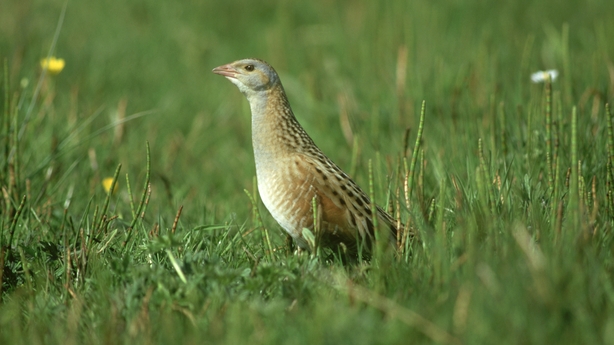
At long last, there has been some good news for our Corncrakes. For many years now, numbers of these very rare farmland birds have been declining, despite intensive efforts being made to curtail the fall in their population levels. Only a generation ago, this iconic bird could be heard in fields, meadows and pastures, particularly in the west of Ireland. The distinctive call of the male, a sound similar to that produced by rubbing two pieces of notched bone together, was a familiar sound across the country. The species’ scientific name Crex crex echos the call of the male, especially at night and particularly in the months of May and June. This call is often the only indication of their presence. But numbers have fallen.
Many years ago, measures such as mowing fields from the inside out rather than the outside in had some success in helping maintain numbers. However, since 2021, a five-year project funded through the EU and led by the National Parks and Wildlife Service (NPWS) has been working on several conservation measures to improve their numbers. These measures include the planting of nettle clumps for the Corncrake to hide in. As part of the project there are 250 farmers and landowners managing close to 1,500 hectares of land for Corncrakes.
It appears that all the effort is paying off, with birds are being found in new locations, including Co. Kerry. A survey by the NPWS earlier this year showed an increase in the national Corncrake population of 15 birds, up 7% on 2023 figures, with the highest number of Corncrake territories having been recorded in Ireland for 25 years. There were 233 territories recorded this year, which represents a 45% increase since 2018.
But the numbers are still low. Grants and schemes have been used as an incentive for the farming community to protect the birds and give them a chance to raise their young and these must continue, even after the present project finishes.
Once the sound of summer and a harbinger of good luck, the population of Corncrakes had almost disappeared from the island of Ireland, but thanks to the dedication of many, better days may lie ahead.
For more information about Corncrakes, visit https://birdwatchireland.ie/birds/corncrake/
Where have all our butterflies gone?
"Since 2008 the green-veined butterfly, the most common butterfly in Ireland, has declined by 83%." So says Dr. Liam Lysaght, chief executive of the National Biodiversity Data Centre, and he should know. Along with about 140 volunteers, Liam has been monitoring butterfly numbers for many years now. The records are there for all to see. Data shows that 18% of Ireland’s native butterflies are under threat of extinction and 15% are 'near threatened’
It's not just scientists that have noticed this decline. As Terry tells us, he has not seen a single butterfly on his local "butterfly bush" (Buddleia) this year. Last year it was covered with them, and in particular a species new to his garden, the Comma.
Author of The Irish Butterfly Book, Jesmond Harding, has told Terry that butterfly numbers have crashed on his transect walk in Lullymore, Co. Kildare. During one such walk in August 2023, he counted 269 butterflies. In the same week in 2024, the number recorded was just 12.
And it’s not just in Ireland the numbers are crashing. In England, Butterfly Conservation states that 80% of butterflies have declined in abundance or distribution since 1976. Its UK-wide Big Butterfly Count, spanning the last two weeks in July and the first week in August, has reported the lowest butterfly count in the 14 years during which the survey has been run.
What’s causing this dramatic decline? Many say it’s the months of dull, windy weather that are to blame. However, the shortage is not always easily linked to weather-related events; we had high populations of some species last summer, despite the deluges of July and August 2023. Strong declines in a particular year are not necessarily disastrous, as butterflies have a high reproductive rate, allowing for rapid population recovery when conditions are favourable.
Other factors include predators and quality of habitat. However for our butterflies, it seems that the weather is the most likely cause. All months from July 2023 to April 2024 had above-average rainfall, with the exception of January.
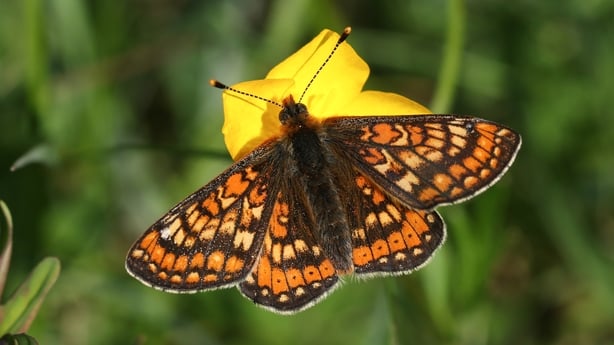
But it’s not all bad news for all species. A recent e-mail from Jesmond Harding has confirmed that the population of Ireland's only legally protected insect, the Marsh Fritillary butterfly, is thriving at Lullybeg Butterfly Reserve:
"The population of Ireland's only legally protected insect, the Marsh Fritillary butterfly, is thriving at Lullybeg. I counted 21 larval nests along a track [Butterfly Conservation Ireland] cleared vegetation from to allow light to reach the foodplant. Before we did this, the butterfly didn't use the area for breeding. At this time of the year, each nest contains over 100 caterpillars, up to around 350 in some cases".
For more information about The Irish Butterfly Book by Jesmond Harding, visit https://butterflyconservation.ie/wp/2021/12/06/the-irish-butterfly-book/
For more information about the National Biodiversity Data Centre’s Irish Butterfly Monitoring Scheme, visit https://biodiversityireland.ie/surveys/butterfly-monitoring-scheme/
For more information about Lullybeg Butterfly Reserve, visit https://butterflyconservation.ie/wp/2022/06/19/lullybeg-nature-reserve/
Studying the effects of cocaine on sharks!
A recent study in the journal Science of the Total Environment highlights the effects of cocaine, not just in humans, but also in wild animals.
It has long been suggested that sea life could be impacted by illegal drugs dumped at sea. The waters around Florida, Central and South America are heavily used by drug smugglers and, when detained ,these smugglers often choose to dump their caches at sea, rather than have them confiscated.
Ecotoxicologists with the Oswaldo Cruz Institute in Brazil, were curious as to whether sharks might be exposed to this cocaine. The team bought 13 juvenile Sharpnose Sharks from local fishermen, brought them back to the lab and dissected them. They tested liver and muscle samples and were astonished to find that all 13 fish had cocaine concentrations that were as much as 100 times higher than previously reported for other aquatic creatures.
Although this level of concentration can have detrimental effects on the sharks, another concern is that these sharks are part of food chains, and these food chains can include humans. The Sharpnose Shark is a common part of the Brazilian diet, raising the possibility that cocaine residues could possibly pass from the fish to humans. We do not know the level of impact it may have on people, and this will need to be the focus of future studies. But it serves as a warning.
Brazil faces a particularly serious problem with cocaine as a pollutant. In fact, water samples collected from the Bay of Santos in 2017 contained as much cocaine as they did caffeine. Once in the environment, cocaine can easily be absorbed by marine organisms lower down the food chain, where it accumulates, allowing it to be absorbed in greater concentrations by higher-order consumers, e.g. sharks and humans.
With roughly one-third of shark and ray species facing extinction, largely as a result of overfishing, it's vital that all this latest threat to their numbers is taken seriously.
For more information about this story, visit https://www.science.org/content/article/cocaine-sharks-found-waters-brazil
'Near Threatened' orchid discovered in Oranmore for first time in 80 years
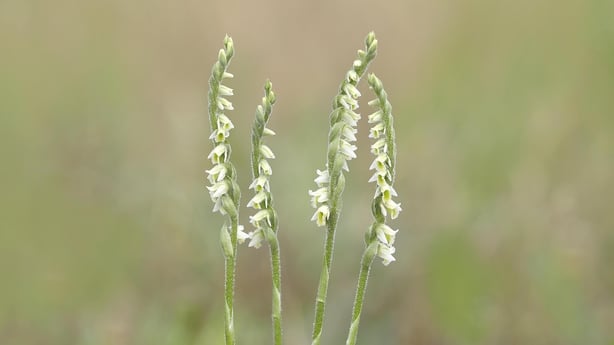
A joint environmental initiative by Galway County Council and Conservation Volunteers Galway aimed at attracting pollinating insects to Rinville Park in Oranmore has led to the remarkable discovery of between 20 and 30 Autumn Lady's Tresses orchids, which are classed as 'Near Threatened’ in the Red Data List of Vascular Plants 2016.
The last time that these rare plants had been seen in Oranmore was in the 1940s, so the species’ reappearance is quite remarkable, and shows very clearly the benefits that the recently introduced "Don’t Mow, Let it Grow" policy in certain sections of Rinville Park has brought.
On tonight’s programme, Éanna speaks to Rosina Joyce, Biodiversity Officer for Galway County Council, about the rediscovery of this rare orchid, the success of the no-mow policy and the importance of the All-Ireland Pollinator Plan.
For more information about the surprise rediscovery of these rare orchids in Oranmore, visit https://www.agriland.ie/farming-news/near-threatened-orchid-discovered-in-galway-after-80-years/
For more information about the Autumn Lady's Tresses orchid, visit https://www.wildflowersofireland.net/plant_detail.php?id_flower=150&wildflower=Lady%27s-tresses,%20Autumn
For more information about the All-Ireland Pollinator Plan, visit https://pollinators.ie/
Dogs helping in the fight against poaching in Africa
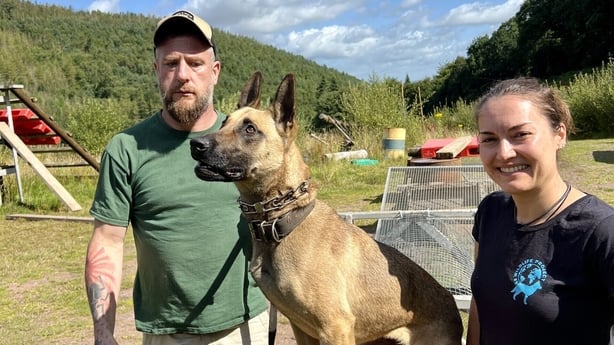
Dog trainer Rory Henberry has recently set up a charity called the K9 Wildlife Project, with the intention of training dogs to send to Africa to assist conservation rangers in combatting poachers. In effect, they will become conservation or detection dogs. They will be used to detect people on property where they should not be and/or to track or follow them.
At present, Rory is training Heidi, a Belgian Malinois, who should be ready to go to Mozambique, either at the end of this year or early next year. Already the project has supplied two dogs, which are proving to be a huge asset to the rangers. When Rory arrives there, he will spend two weeks assisting the new handler to bond with Heidi to allow them to become a team. Rory and his colleagues hope to send two or three dogs to Africa every year.
For tonight’s programme, our roving reporter Terry Flanagan travelled to Mallow, Co. Cork to chat with Rory and local vet Carina Mederle, who is also a member of the project and who assists Rory in the training of the dogs, to learn a little about the project and to see Heidi in training.
For more information about the K9 Wildlife Project, visit https://www.k9wildlifeproject.com/