


To listen to RTÉ.ie's radio and podcast services, you will need to disable any ad blocking extensions or whitelist this site.
0
00:00
00:00
Episode Notes
Panel: Éanna Ní Lamhna, Richard Collins, Terry Flanagan, Ken Whelan & Niall Hatch
In addition to listening to us on RTÉ Radio One at 22:00 every Monday night, don't forget that you can also listen back to each of our programmes any time you like at www.rte.ie/mooney. There, you will find an extensive archive of past broadcasts, conveniently split into different topics and segments.
St. Valentine’s Day is just around the corner, so our recommendation from the Mooney Goes Wild archives this week is an especially amorous programme which was first broadcast on 14th February 2022. In it, Derek and the panel take a look into the animal world in an attempt to find the most romantic wildlife in Ireland.
To listen to this programme from the Mooney Goes Wild archives, visit
https://rte.ie/radio/radio1/clips/22063110/
Hold the front page! Frog seen in south Co. Dublin
If you happened to see last Saturday’s Irish Times, you will have noticed that a very striking photograph of a Common Frog graced the front page. It was taken in south Co. Dublin, and the caption indicated that it had put in an unusually early appearance. But was this really the case?
On tonight’s programme, we discuss the emergence from hibernation of frogs each spring, including the factors that cause them to reappear on different dates in different parts of the country. Given the mild winter we have had, it stands to reason that frogs should be out and about over much of the country in the coming days, if they aren’t already.
For more information about the Common Frog in Ireland, visit
https://iwt.ie/species-in-focus-common-frog/
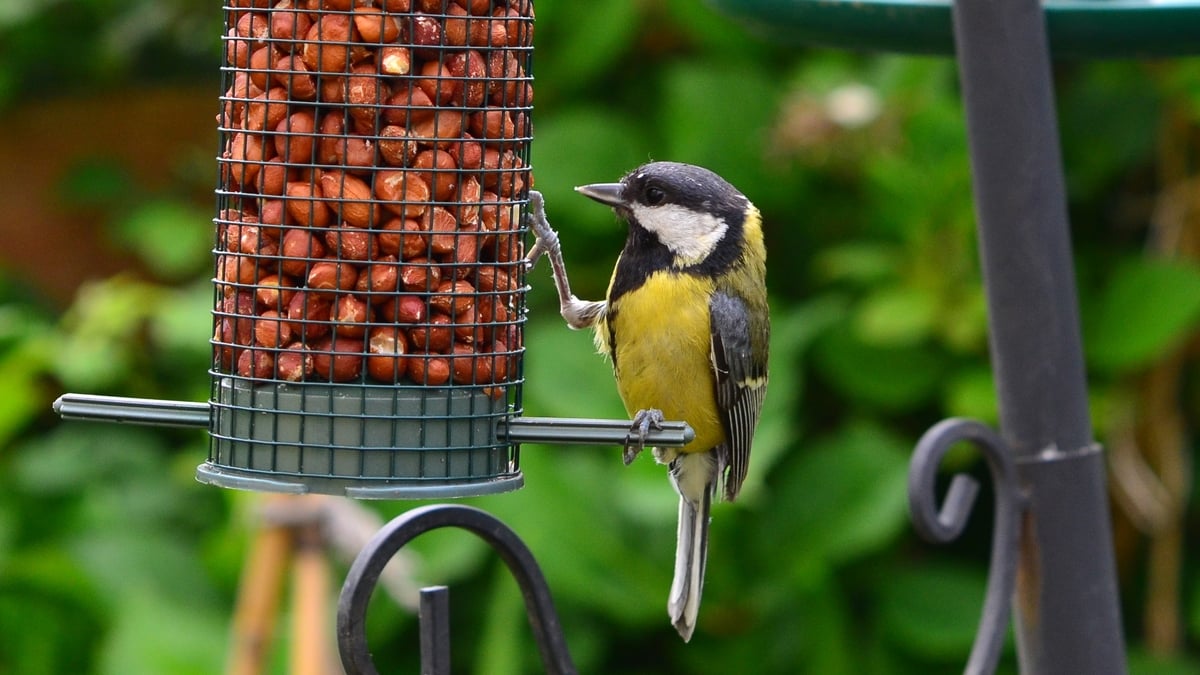
Great Tits are breeding earlier in the year than they used to
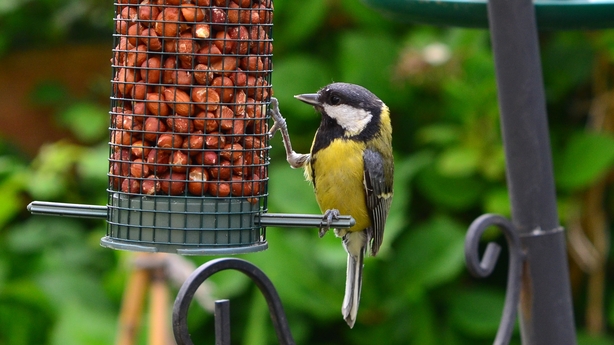
Those of you who tuned into our inaugural live Great BIG Garden Birdwatch programme last week will remember the highly active Great Tits which frequented Jim Wilson’s garden bird table in Cobh, Co. Cork and which featured so prominently in his live camera stream on our Facebook page. Terry Flanagan spoke at the time about the species’ famous "teacher, teacher, teacher" song, one of the most distinctive bird vocalisations in Ireland. Well, during the week Derek was out and about in Marino, Dublin 3 and heard that very song coming from high up in a tree, as his recording here proves.
On tonight’s programme, we discuss these colourful, clever and abundant birds, which range across most of Eurasia and which happen to be the most intensively studied birds in the world. We also hear about a remarkable long-term study into Great Tits that has been run continually by the University of Oxford in its 'living laboratory’ at Wytham Woods in England for almost 77 years and counting. It has revealed, amongst many other fascinating things, that the local Great Tits are now nesting three weeks earlier each year than they did three-quarters of a century ago, with climate change being the main driver.
For more information about Great Tits, visit
https://birdwatchireland.ie/birds/great-tit/
For more information about the University of Oxford’s study at Wytham Woods, visit
https://ox.ac.uk/news/2022-04-27-75-years-influential-great-tit-study-wytham-woods
Dinosaur fish in the Dead Zoo
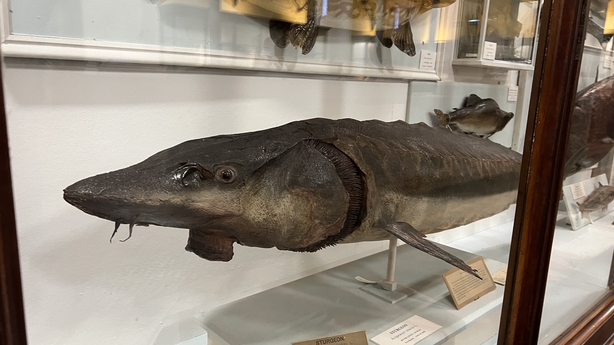
Sturgeon are odd-looking fish that have been swimming in rivers and seas since the Jurassic Period, with unusual bony plates along their backs, almost reptilian jaws and a propensity to grow to massive sizes: little wonder, therefore, that they are sometimes known as "dinosaur fish".
Sturgeon are also famous for another reason: they are the fish which produce caviar, one of the rarest, most expensive and most highly prized foodstuffs on Earth. Centuries if overfishing to obtain this valuable commodity, coupled with habitat loss and water pollution, have led to many species of sturgeon becoming highly endangered and threatened with extinction.
But did you know that they once occurred in Ireland? For tonight’s programme, our roving reporter Terry Flanagan travelled to the Natural History Museum in Dublin to speak to Keeper Paulo Viscardi about the large sturgeon specimen on display in the museum, originally caught in the River Liffey.
For more information about Sturgeon from the pen of our very own Richard Collins, visit
https://irishexaminer.com/property/homeandgardens/arid-40045775.html
For more information about Dublin’s Natural History Museum, visit
https://museum.ie/en-IE/Museums/Natural-History
Could we bring the Sturgeon back to Ireland?
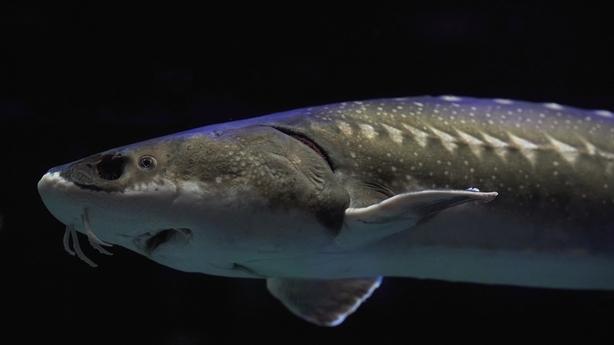
Staying with Sturgeon, these migratory prehistoric fish have the unenviable distinction of being the world’s most threatened group of species. But all is not lost. Could the time be right for sturgeon to be reintroduced to some of their former haunts in Ireland?
On tonight’s programme, our expert in all things fishy, Ken Whelan, discusses the pros and cons of a potential sturgeon reintroduction campaign in Irish rivers and the benefits to other species, including Salmon
For more information about the possibility of reintroducing sturgeon to Irish waters, visit
https://iwt.ie/what-we-do/campaigns/restoring-the-sturgeon/
Salmon in trouble
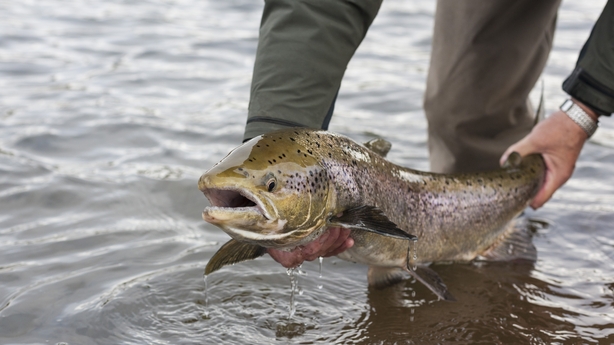
Sturgeon are not the only migratory: the also travels long distances between its feeding and spawning waters. A highly celebrated species here in Ireland, sadly it is also an increasingly threatened one. As Ken tells us on tonight’s programme, the International Union for Conservation of Nature (IUCN) has recently updated its Red List of Threatened Species, with the Atlantic Salmon having been reclassified from "Least Concern" to "Near Threatened", and populations in our neighbouring island of Britain now reclassified as "Endangered". It is clear that factors
such as water quality, pollution, and habitat preservation will play crucial roles in safeguarding the future of these remarkable fish.
For more information about Atlantic Salmon in Ireland, visit
https://salmonwatchireland.ie/
Mayflies on Lough Carra
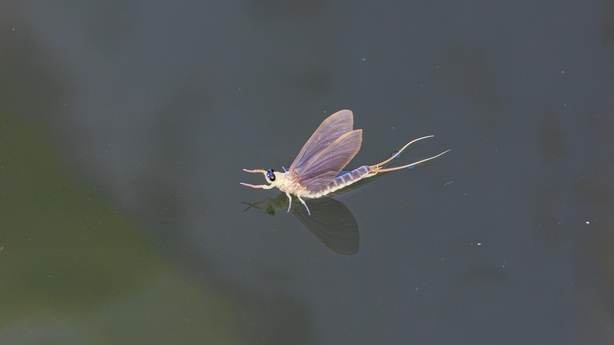
Mayflies are essential food for many of our native fish, including the Atlantic Salmon. On tonight’s programme, Ken gives us an update on his project to monitor these ephemeral insects and on efforts to ensure that their populations can grow and thrive once more at key strongholds, including Lough Carra in Co. Mayo.
For more information about the mayfly project that is underway at Lough Carra, visit
http://mayo.waters-project.com/visit-to-lough-carra/
Grumpy Snowdrops
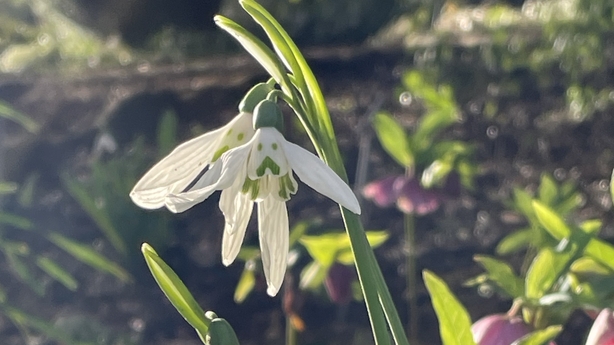
Finally on tonight’s programme, we turn our attention to one of the true stars of spring, the snowdrop. Our fascination with this hardy little white flower is such that the organisers of Carlow Garden Trail had to extend their snowdrop festivities from a week of events to a whole month.
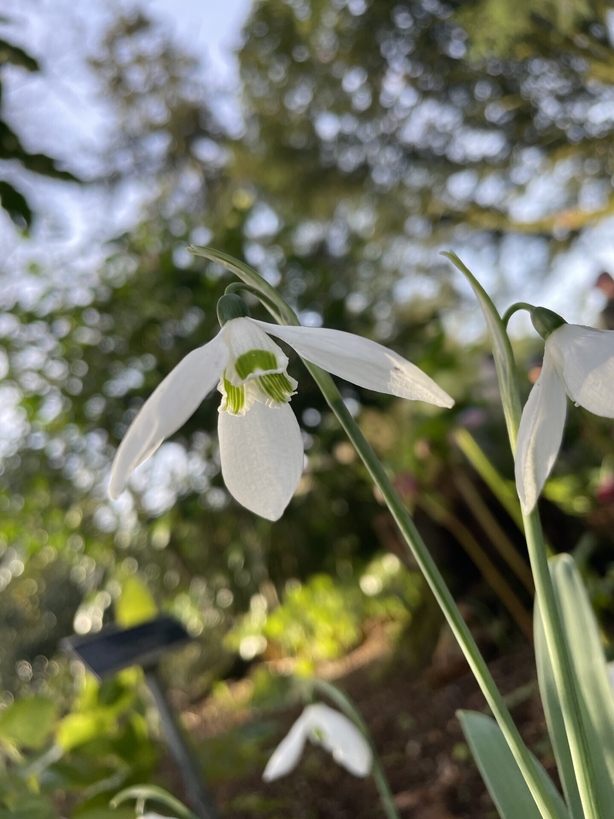
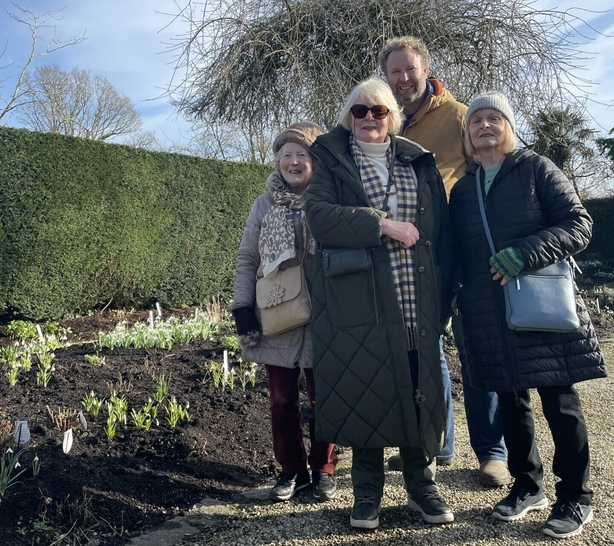
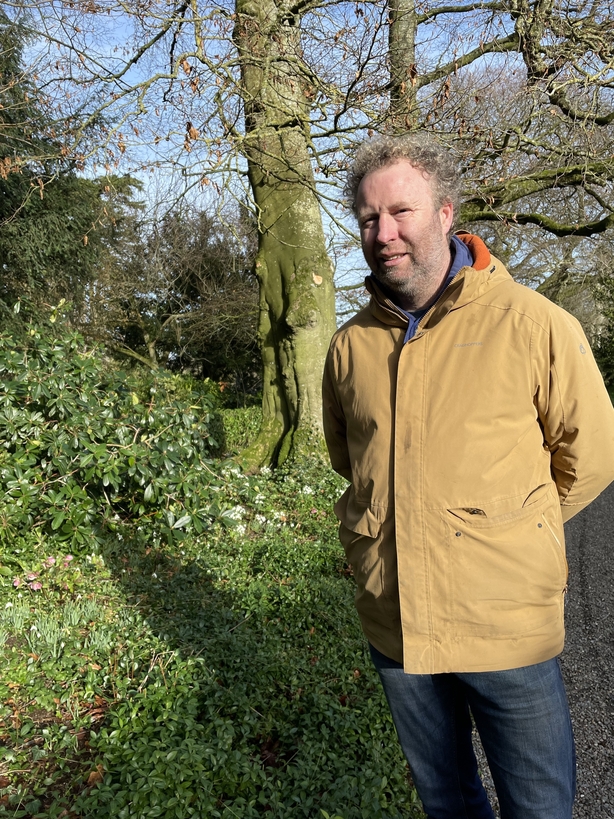
For tonight’s programme, our Researcher Michele Browne paid a visit to the banks of the River Slaney near Tullow in Co. Carlow, where on the 40-acre Altamont Gardens she met with plantsman Robert Miller, who runs the garden centre there and was keen to show Michele some particularly grumpy-faced snowdrops!
For more information about Snowdrop Month at Altamont Gardens, visit