


To listen to RTÉ.ie's radio and podcast services, you will need to disable any ad blocking extensions or whitelist this site.
0
00:00
00:00
Episode Notes
Panel: Richard Collins
Reports: Terry Flanagan & Niall Hatch
In addition to listening to us on RTÉ Radio One at 22:00 every Monday night, don't forget that you can also listen back to each of our programmes any time you like at https://rte.ie/mooney. There, you will find an extensive archive of past broadcasts, conveniently split into different topics and segments.
Beluga Whales, undoubtedly amongst the ocean’s most endearing creatures, feature in tonight’s programme. With this in mind, our suggestion from the Mooney Goes Wild archives this week is a segment all about these beautiful and highly intelligent white whales that was first broadcast back in August 2019.
In it, we hear from Martin Garside of the London Port Authority about Benny, the Beluga that took up residence in the River Thames. We also hear from our old friend Helge Søfteland about another Beluga, Vladimir, that turned up in Norway and was suspected to be a Russian spy. Interestingly, Vladimir has been back in the news headlines recently, having unexpectedly appeared in Swedish waters at the end of May.
To listen back to this clip from the Mooney Goes Wild archives, visit
https://rte.ie/radio/radio1/clips/21602482/
Eye on Nature photographic competition: winner to be announced on NATIONWIDE on 23rd June 2023
Eye on Nature, RTÉ’s highly popular wildlife photography competition, attracted a truly amazing batch of entries this year, both in terms of quality and quantity. The contest, now in its third year, is a partnership between RTÉ, OPW and the National Botanic Gardens at Glasnevin and is run jointly by Mooney Goes Wild on RTÉ Radio One and Nationwide on RTÉ One television. The aim is to give wildlife photographers across Ireland the opportunity to showcase their immense talent and highlight Ireland’s biodiversity and the beauty of the natural world around us.
Our judging panel had the responsibility of selecting both the ten finalists and the overall winner, who will receive a cash prize of €1,000. It was no easy task, given the calibre of entries received, but somehow they have managed it, and the winning photograph will be announced on Nationwide on RTÉ One television on Friday 23rd June. Be sure to tune in to see an outstanding showcase of the very best wildlife photography that Ireland has to offer.
For more information about our Eye on Nature photo competition, visit
Richard’s Rathlin Reflections
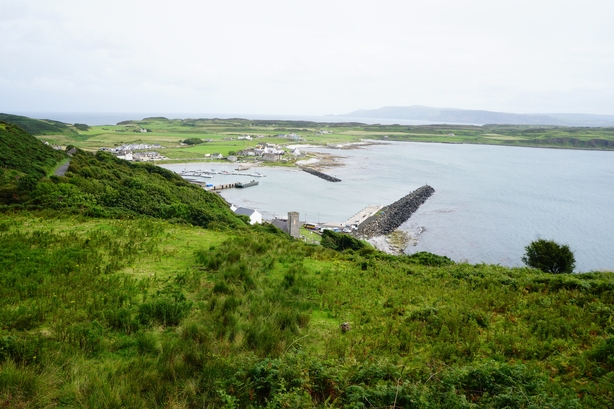
11 kilometres off the coast of Co. Antrim lies Rathlin Island, Northern Ireland’s only inhabited offshore island. It boasts a long and storied history, being the location of the first ever Viking raid on Ireland, back in 795, and the place where Robert the Bruce, King of Scots, sought refuge from the English in 1306.
Rathlin is also home to some very special wildlife, playing host each year to Northern Ireland’s largest seabird colony, including impressive numbers of Puffins, Razorbills, Guillemots and Fulmars. In addition, the island holds a growing population of Corncrakes, a thriving population of seals and a unique golden-coloured, blue-eyed form of Irish Hare.
Our own Richard Collins is no stranger to Rathlin, and on tonight’s programme he reflects on his recent trip there.
For more information about visiting Rathlin Island, see
https://discovernorthernireland.com/things-to-do/rathlin-island-p687111
Snails in daffodil heads
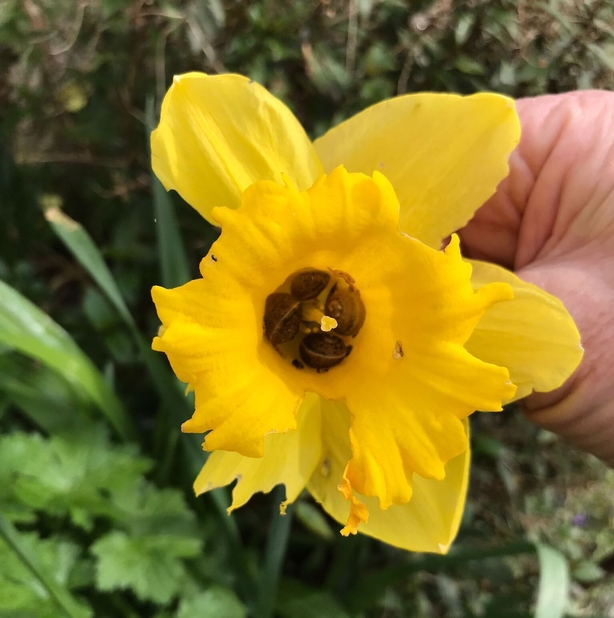
Mary Sommers from Oilgate, Co. Wexford was at the Bord Bia Bloom festival in Dublin’s Phoenix Park last week. While there, she happened to bump into Derek and showed him photographs of snails that were congregating in the heads of daffodils in her garden. She was curious to know what was going on.
As regular listeners will know, we love a wildlife challenge here at Mooney Goes Wild, so we were determined to get to the bottom of the mystery for Mary. Who better to ask, we thought, than Dr. Aidan O'Hanlon, Curator of Entomology at the National Musuem of Ireland and a former snail and slug researcher.
For more information about the attraction of daffodils to snails and other potential pests, visit
https://thedaffodilsociety.com/a-guide-to-dafodils/pests-diseases/
Giving Lilywhite Lapwings a helping hand
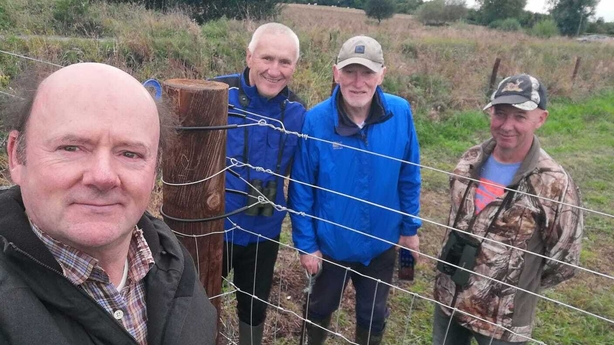
We received an email recently from listener Keith Earls, a Farmer based in north Co. Kildare. Around five years ago, he noticed that Lapwings – a threatened species of wading bird with vivid green, orange and white plumage, a flamboyant crest on the head and an unmistakeable swooping call – were trying to nest on his land, sadly without success.
Keith decided that he would like to offer these rare farmland birds a helping hand. He saw that the main problem facing the Lapwings was the ease with which predators such as badgers and foxes could take their eggs and chicks, so he fenced off an area of land to try to deter them. Alas, the foxes were able to jump over this fence, so it seemed that the Lapwings were doomed.
Keith wasn’t going to give up that easily, however. With help from the Kildare Branch of BirdWatch Ireland and funding from Bord na Móna, he has managed completely to enclose a large rectangular site with an electric fence. We dispatched our roving reporter Terry Flanagan to meet with Keith and with Tom McCormack of the local BirdWatch Ireland branch, who tell him that, so far at least, things finally seem to be working out well for the Lapwings.
For more information about Lapwings in Ireland, visit
https://birdwatchireland.ie/birds/lapwing
Beluga Whales given sanctuary in Iceland
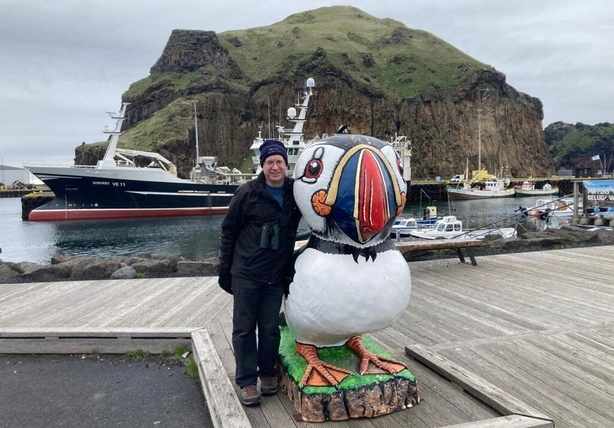
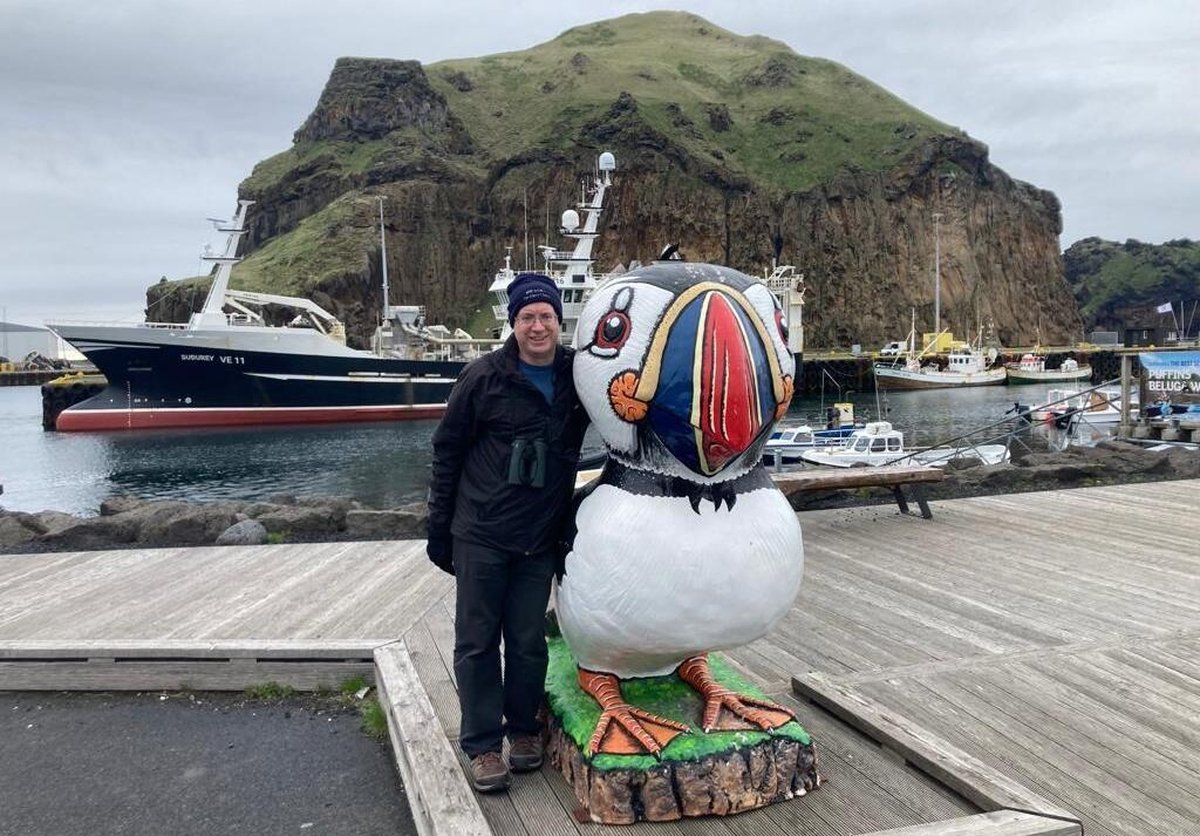
Niall Hatch was in Iceland recently, recording material for a special documentary about Puffins that will be broadcast in our Nature on One slot at 15:00 on Monday, 7th August. While there, he took a ferry to the island of Heimaey, part of the Westman Islands archipelago, home to the world’s largest colony of these cartoon-like seabirds.
As expected, he saw plenty of Puffins there . . . but what he wasn’t expecting was to find was the world’s first open-sea sanctuary for Beluga Whales. Two of these amazing marine mammals, a pair of 12-year-old females named Little Grey and Little White, were formerly star attractions of the Changfeng Ocean World Zoo in Shanghai, China. When the facility passed into new ownership, it was decided to retire the whales from zoological entertainment. Years of captivity meant that it was not possible to return them to the wild, as they would have been unable to feed themselves properly, so a new home was needed.
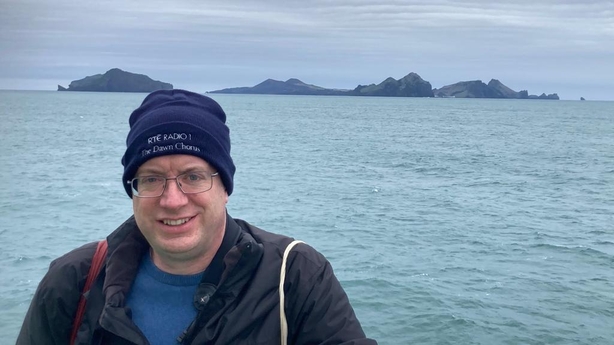
Their move to their new Icelandic home was coordinated by the Sea Life Trust, a UK-based organisation dedicated to the protection of marine wildlife. The organisation’s facility in the Westman Islands had previously been home to Keiko, the Orca that famously starred in the film Free Willy, so they knew it would make a suitable home for Little Grey and Little White.
For tonight’s programme, Niall has made a special report for us from the Beluga Whale Sanctuary, where he spoke with Thora Gisladottir and Jack Willians, a representative of the Sea Life Trust about the island’s two very special cetacean residents.
For more information about the Heimaey Beluga Whale Sanctuary, visit
https://visitwestmanislands.com/worlds-first-beluga-whale-sanctuary/
The ancient origins of man’s best friend
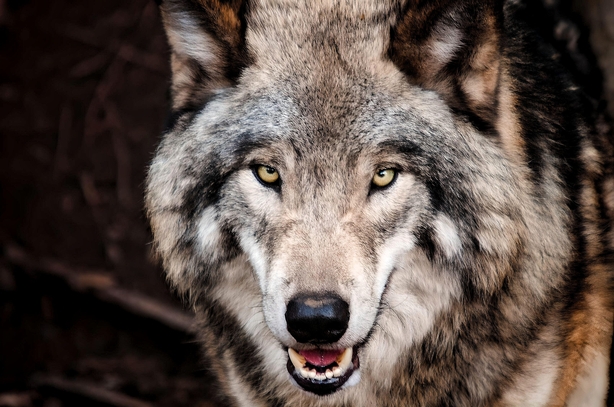
It is largely agreed that dogs were the first domestic animal, initially tamed more than 20,000 years ago. But we don’t yet know the full history of our canine companions and exactly how they came to be descended from their wild ancestor, the wolf.
In an attempt to find out more, scientists have examined the genomes of modern dogs, as well as genetic material from ancient bones. The evidence seems to point towards not one but two separate domestications of wolves by humans: one in prehistoric Asia and another by a completely different group of people in ancient Europe.
Evolutionary geneticist Prof. Greger Larson is a Director at the Palaeogenomics & Bio-Archaeology Research Network at the University of Oxford in the UK. On tonight’s programme, he speaks to Richard Collins from Oxford about what is being discovered about the ultimate origins of man’s best friend.
For more information about Prof. Greger Larson and his work, visit