


To listen to RTÉ.ie's radio and podcast services, you will need to disable any ad blocking extensions or whitelist this site.
0
00:00
00:00
Episode Notes
Panel: Richard Collins & Niall Hatch
Reporter: Terry Flanagan
In addition to listening to Mooney Goes Wild on RTÉ Radio One at 22:00 every Monday night, don't forget that you can also listen back to each of our programmes any time you like at rte.ie/mooney. There, you will find an extensive archive of past broadcasts, conveniently split into different topics and segments.
Our suggestion from the archives for you this week is a special documentary all about the threats posed by alien invasive species, first broadcast on 12th June of this year, presented by Terry Flanagan.
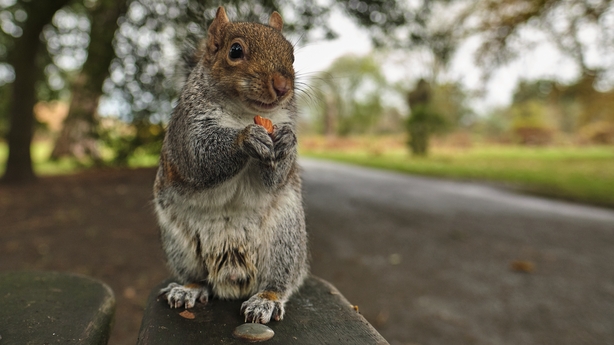
In a nutshell, an "alien invasive species" is an organism which, although not naturally-occurring in a particular area, has been introduced there because of human activity, either deliberately or accidentally, has taken hold and is managing to propagate itself and spread in such a manner as to cause damage. Very often this is environmental damage, frequently also economic damage, sometimes damage to human health and, all too commonly, a combination of all three. These plants and animals pose serious threats to biodiversity, agriculture and economic prosperity, both here in Ireland and around the world. Billions of pounds are spent trying to wipe them out, and trillions are lost due to their impacts.
You can listen back to Terry’s documentary on alien invasive species at https://www.rte.ie/radio/radio1/clips/22108869/
BirdWatch Ireland’s annual Irish Garden Bird Survey kicks off on Monday 28th November
Our friends at BirdWatch Ireland are gearing up for the start of their annual Irish Garden Bird Survey, Ireland’s largest 'citizen science’ project and a big hit each year with Mooney Goes Wild listeners in particular. Sponsored by Ballymaloe, this will be the survey’s 34th season, representing a remarkable and unparalleled collection of natural history data that is used to shape Ireland’s conservation priorities.
This winter’s survey will start on Monday 28th November and will run for a total of 13 weeks. It makes a great activity for all of the family and is a wonderful way to learn more about the birds that visit your garden. It is also a lot of fun (some might say even rather addictive) and, best of all, the data that you gather will be of enormous help to BirdWatch Ireland in understanding how our garden bird populations are faring, the long-term trends that are developing and which species need the most conservation assistance.
For more information about the survey and to take part yourself, visit https://birdwatchireland.ie/our-work/surveys-research/research-surveys/irish-garden-bird-survey/
The bald truth about saving one of Europe’s most endangered birds
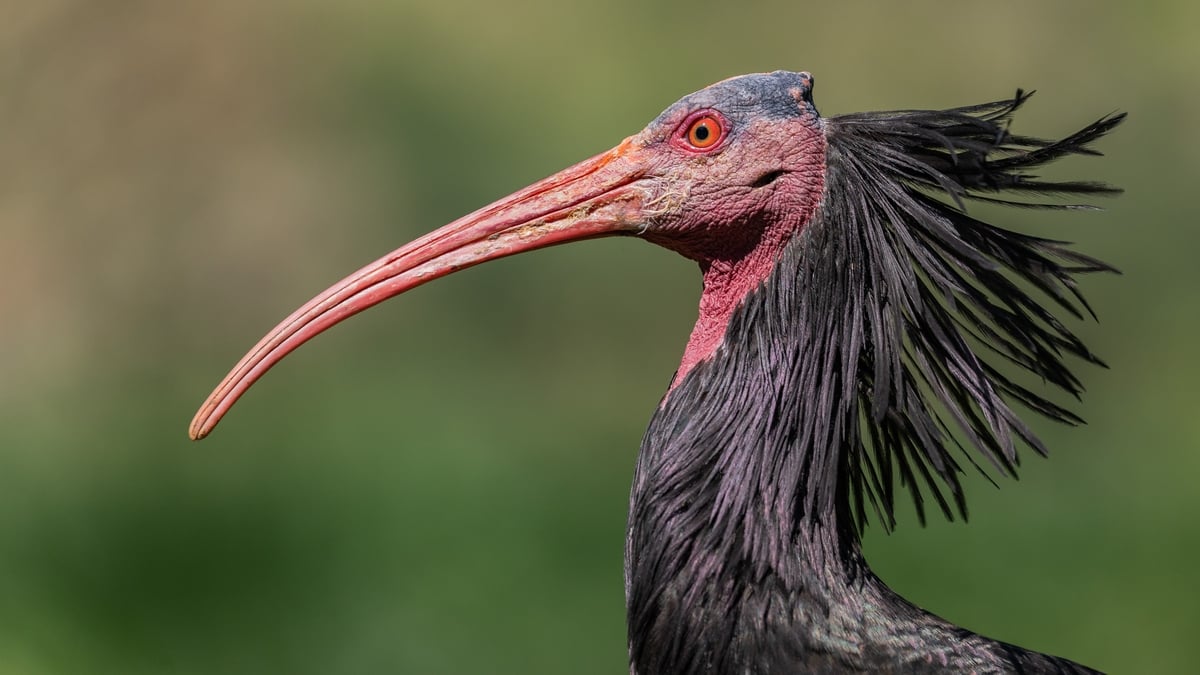
Resembling something akin to a cross between a curlew and a vulture, the Northern Bald Ibis, also known as the Waldrapp, is an undeniably odd-looking creature. With its glossy black plumage, its bald, pink head, its long, downcurved beak and its shaggy collar, it is quite unlike any other European bird.
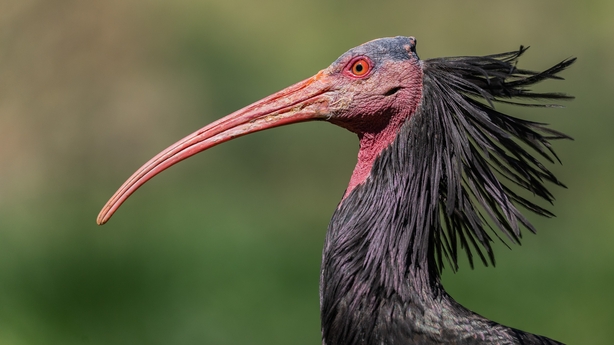
Well, at least it used to be a European bird, with a widespread range across the Alps and parts of the Mediterranean region, but it disappeared from there more than 300 years ago, a victim of hunting, habitat destruction and poisoning. It also vanished from virtually all of the remainder of its range across North Africa and the Middle East; today, the only truly wild population of these striking birds is confined to a small area of the Atlantic coast of Morocco, just south of Agadir.
The species is being brought back from the brink of extinction, however, with concerted EU-funded efforts underway across Europe to restore populations of these unique birds to their former haunts. One such project, initially founded using captive-reared ibises that have been encouraged to reproduce in semi-wild conditions, is underway in the grounds of the magnificent castle at Burghausen in Bavaria in southern Germany, the longest castle complex in the world, no less.
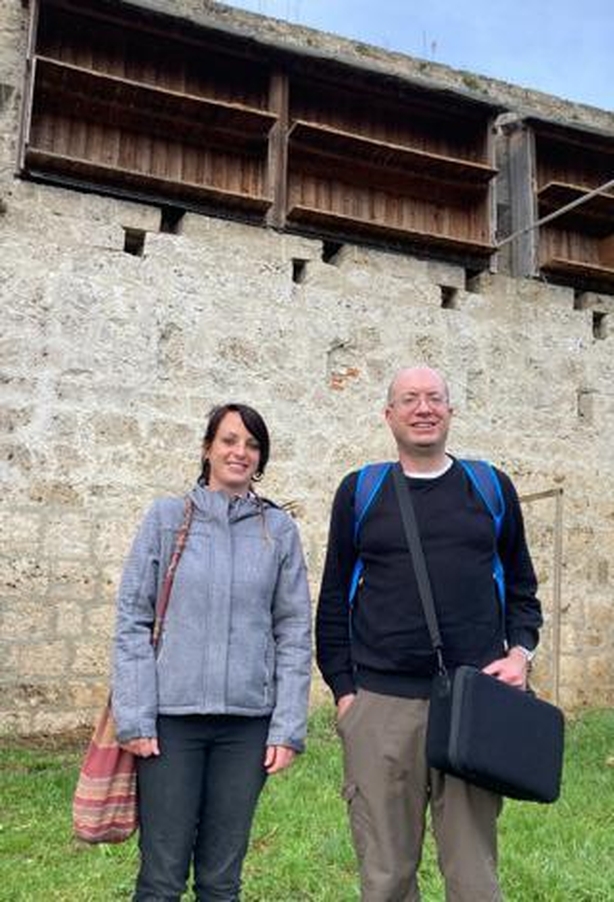
On tonight’s programme, Niall Hatch reports for us from Burghausen, just a stone’s throw from the Austrian border, on the success and impacts to date of this impressive reintroduction project. There, he speaks to Corinna Esterer, the project’s self-described ibis foster-mother, about efforts to bring these birds back to their former habitats, to ensure that they can establish a self-sustaining wild population and, most remarkably of all, to help them to learn their migratory route over the Alps to their Tuscan wintering grounds by using ultralight parasail aircraft.
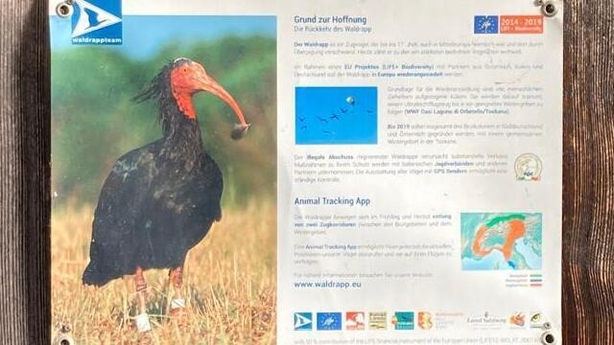
For more information about the Burghausen Waldrapp reintroduction project, visit https://www.visit-burghausen.com/en/waldrapp
For more information about the population of these special birds currently being maintained at Dublin Zoo as part of international captive breeding efforts, visit https://www.dublinzoo.ie/animal/ibis/
A Noah’s Ark for Ireland’s plants
Ireland is home to no fewer than 1,200 native plant species, each part of a rich botanical heritage and a key component of our island’s biodiversity. The future for many of these plants looks precarious, however, as factors such as shifts in land-usage, climate change and human pressures push them to the brink. Their loss would represent an ecological calamity for Ireland.
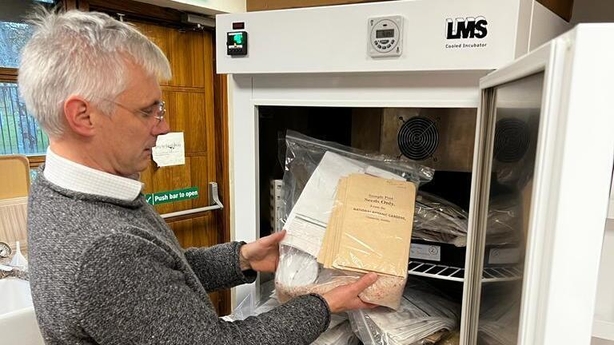
This is where the National Seed Bank project at the National Botanical Gardens comes in. Essentially, seed banks are medium to long-term stores of botanical reproductive material with a known origin and tested viability. They are vital repositories of genetic diversity and a crucial insurance policy against future extinction and biodiversity loss.
On tonight’s programme, our roving reporter Terry Flanagan visits the botanical gardens in Glasnevin to speak to Dr. Colin Kelleher, who heads up the project, about the rationale behind the seed bank, testing the viability of the seeds being collected and the sheer logistical challenge of storing literally millions of seeds for an indefinite period.
For more information about the National Seed Bank, visit https://botanicgardens.ie/2020/05/22/a-national-seed-bank-in-the-national-botanic-gardens/
Albert and the Whale
Philip Hoare is Professor of Creative Writing at the University of Southampton and an acclaimed author in his own right. He is also an aficionado of the work of Albrecht Dürer, the greatest artist and visionary of the Northern Renaissance and a key cataloguer of the natural world.
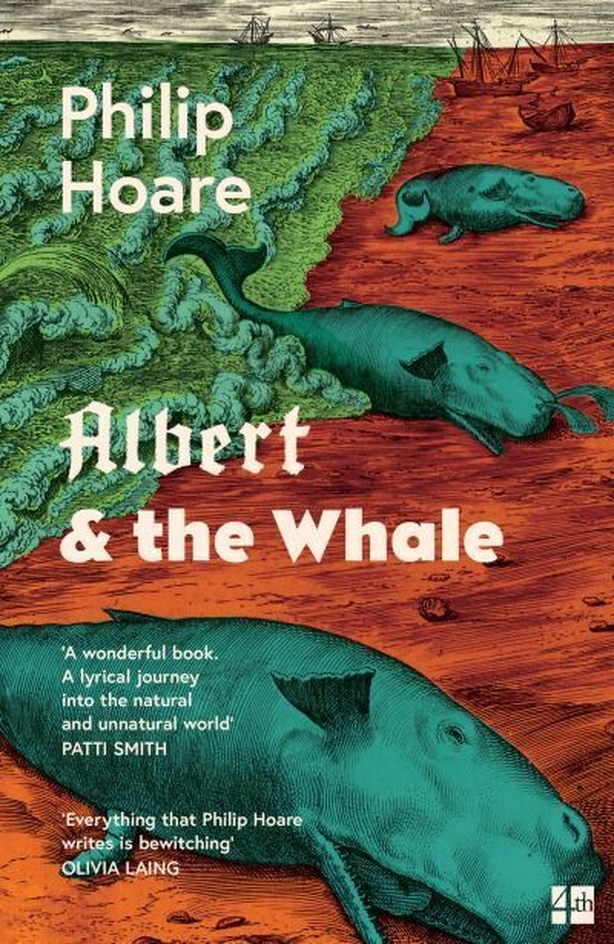
Philip’s latest book, entitled Albert and the Whale, is an exploration and celebration of the lengths to which Dürer went in the pursuit of the wonders of nature. On tonight’s programme, he speaks to Dr. Richard Collins about the great artist’s enduring vision, his quest to gain greater understanding of the natural world and the impacts that his remarkable work still has today. He also reveals his own inspirations as an author and the impact of the natural world on his own work.
For more information about Philip Hoare and his work, visit http://www.philiphoare.co.uk/