


To listen to RTÉ.ie's radio and podcast services, you will need to disable any ad blocking extensions or whitelist this site.
0
00:00
00:00
Episode Notes
Talking Birds
Tonight on a very special episode of Mooney Goes Wild we are dedicating our whole programme to the wonderful world of birds. Joining Derek to share their experiences, inspirations and favourite avian news stories are three of Ireland's leading experts in all things ornithological, Richard Collins, Jim Wilson and Niall Hatch.
So you like birds: are you the only one?
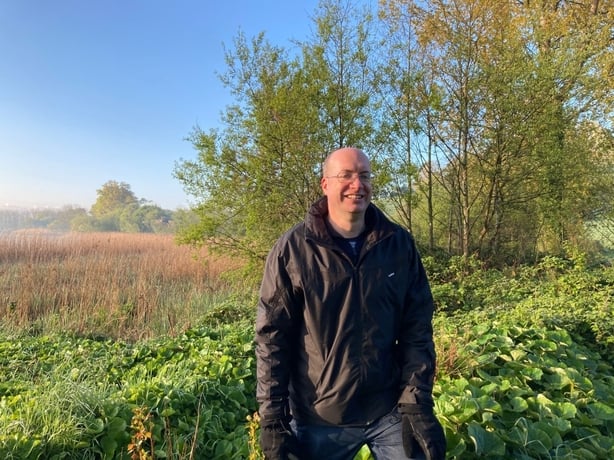
Niall Hatch at Cuskinny Marsh during Dawn Chorus 2021 - Photo Derek Mooney
No, clearly not! There are lots of birdwatchers around the world . . . but just how many? On tonight's programme our panellists discuss what exactly makes someone a birdwatcher, why people seem more proud to 'out’ themselves as birders than ever before, and even argue over just how many birdwatchers there are out there. The figure of 16 million has been mooted by some sources, but is this actually an underestimate?
Taking flight: how did our panellists get started with birds?
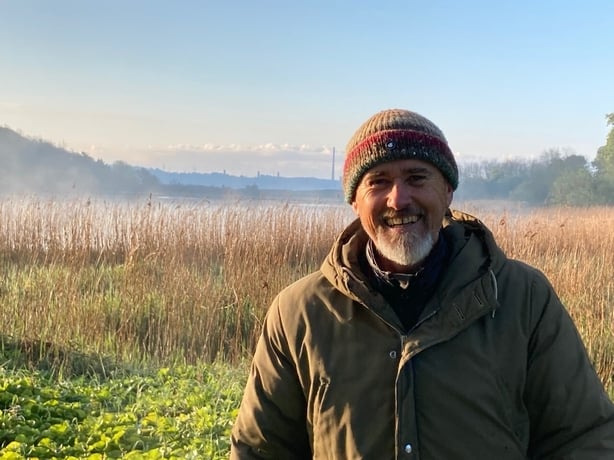
Jim Wilson at Cuskinny Marsh during Dawn Chorus 2021 - Photo Derek Mooney
Whatever the numbers, it’s obvious that more and more people are developing an interest in the natural world, and especially in what are perhaps its most visible and accessible ambassadors, the birds. It’s never too late to start birdwatching, though it happens that Richard, Jim and Niall all came to a deep appreciation of our feathered friends very early in life. On tonight’s programme, they chat with Derek about what first inspired them to take up binoculars, what motivates them today and what a love of birds has brought to their lives.
Flying high
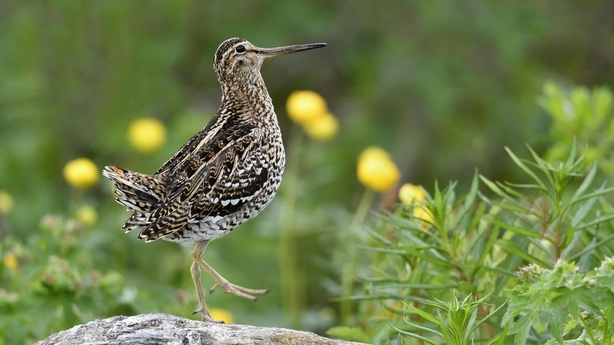
A great snipe standing on a rock - Photo - Getty
Most birds fly, as anybody will tell you. Some birds fly a lot more than others, however, and new tagging technology is revealing astonishing new insights into just how extreme some of their aerial feats can be. Jim Wilson fills us in on how activity and air pressure data captured by multisensory dataloggers have revealed that the Great Snipe, a member of the wader family, reaches much greater heights than anyone ever thought possible. On migration between its European breeding grounds and its African winter quarters, one Great Snipe was even recorded flying at a height of 8,700 metres! But just how do these small birds manage to travel such vast distances at altitudes where temperatures plummet to -21 degrees Celsius and oxygen is such a scarce commodity?
Feeding garden birds: are we doing more harm than good?
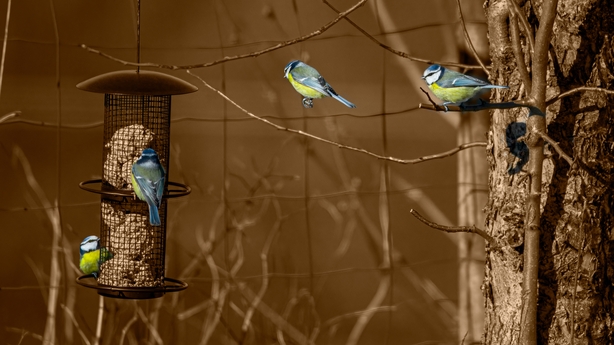
Blue tits feeding - Photo - Getty
Tens, perhaps hundreds, of thousands of people across Ireland feed the birds that visit their gardens. It’s a great way to help them to survive, especially during periods of bad weather when natural food can be scarce, and it’s also a great way to observe them at close quarters and learn more about them. But are there any downsides to doing this? For example, could the birds become overly dependent on us? Do garden feeders aid the spread of avian diseases? Are the foods that we give our birds, such as peanuts and sunflower seeds, produced in an ethical way, or could the farming methods used be harming endangered species in other regions of the world, all fornature-lovers to feed abundant European and North American birds whose populations might not even need the help? On tonight’s programme, Richard Collins weighs up the pros and cons of bird-feeding.
One good tern deserves another
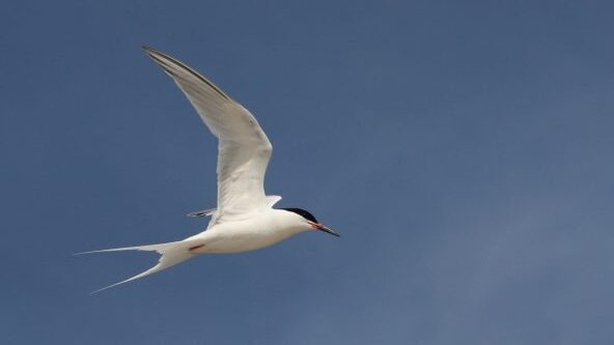
Roseate Tern - Photo by Laura-Glenister/BirdWatch Ireland
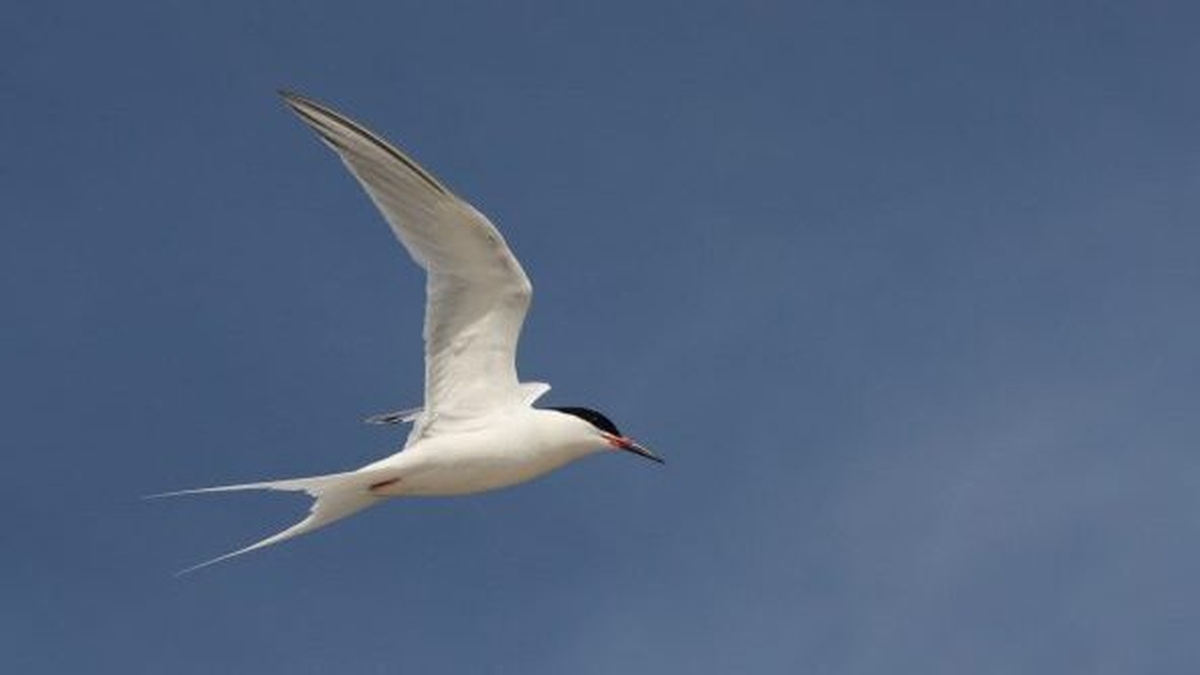
Regular listeners to Mooney Goes Wild will be familiar with Rockabill Island, home to BirdWatch Ireland’s long-running Roseate Tern conservation project, which is funded by the National Parks and Wildlife Service and aided by the Commissioners of Irish Lights. Over the course of more than three decades, this has grown to become one of the biggest conservation success stories in Europe. On tonight’s programme, Niall Hatch brings us some very welcome news: the 2021 nesting season has been the best on record for Rockabill’s Roseate Terns, helping to secure the future of Europe’s rarest (and arguably most beautiful) breeding seabird.
For more information on BirdWatch Ireland’s work on Rockabill Island during what has been a record-breaking year, visit https://birdwatchireland.ie/another-record-broken-on-rockabill/