


To listen to RTÉ.ie's radio and podcast services, you will need to disable any ad blocking extensions or whitelist this site.
0
00:00
00:00
Episode Notes
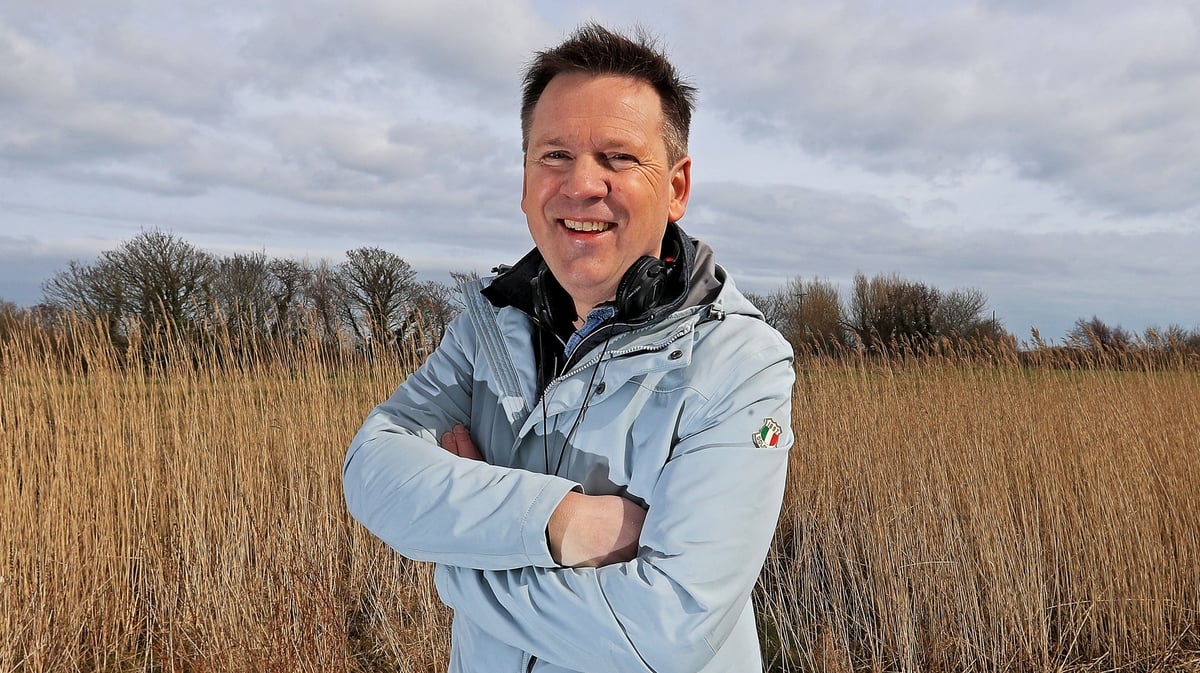
Derek Mooney and guests explore the natural world in all its forms.
RIVERS - Ken Whelan
We are joined by Fisheries Scientist Ken Whelan. Derek asks Ken about sudden drops in temperature and the effect it can have on river populations.
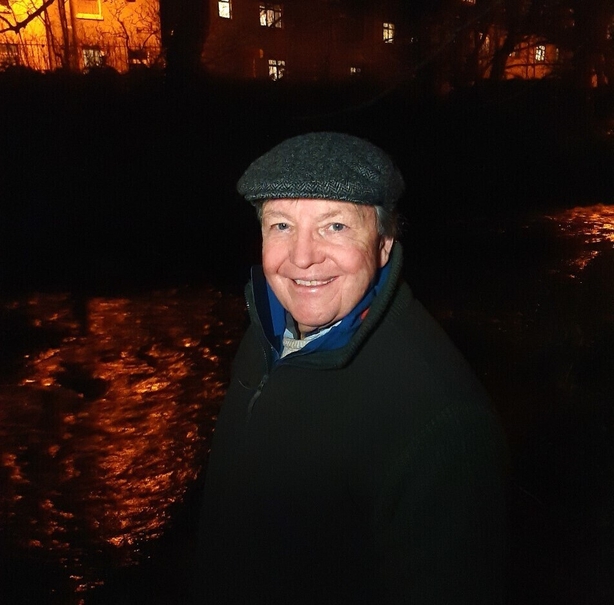
Ken Whelan on the Dodder in Dublin
Ken also talks about live on and beside rivers at this time of year including Trout rising and feeding, Otters having appearing with their young along with various birds such as cormorants, goosanders, kingfishers and egrets.
A good place to look for photographs is the River Dodder Photography Group on Facebook.
OUR WILD WORLD - Éanna Ní Lamhna
Éanna Ní Lamhna joins Derek in studio to launch her new book - Our Wild World.
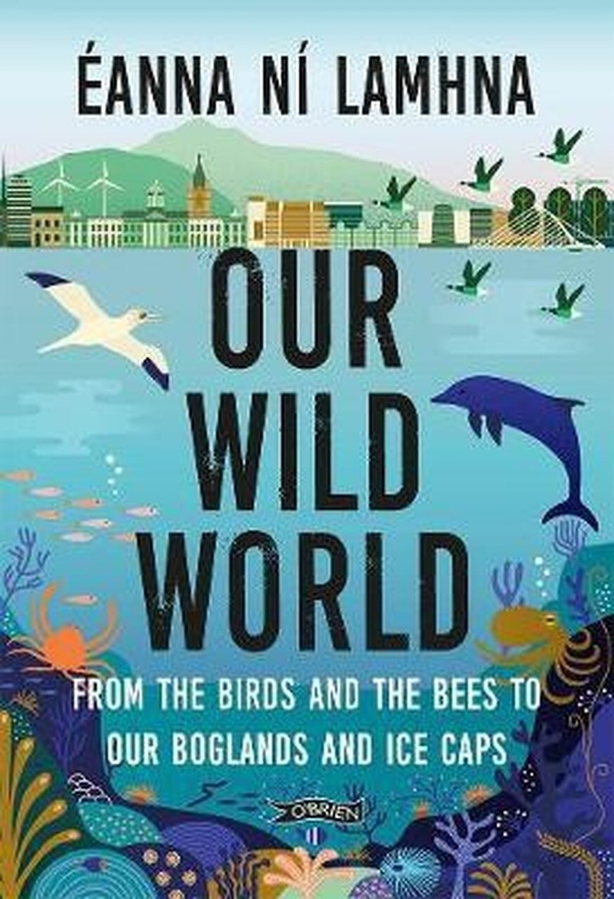
OUR WILD WORLD - From the birds and the bees to our boglands and ice caps
Éanna Ní Lamhna
Publication date: 29th March 2021
ISBN 9781788492331
PRICE €16.99/£15.99 PB FORMAT 226x155 mm EXTENT 176pp
Available from The O'Brien Press and all good bookshops.
CARROWNAGAPPUL BOG - John Lusby
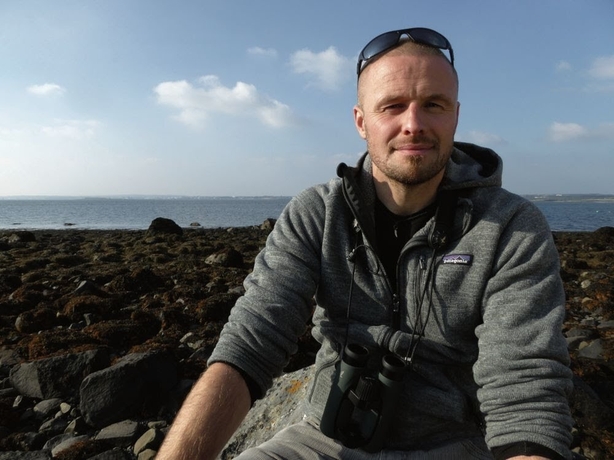
With plenty of raised bog and unique wildlife, along with folklore and its location - Carrownagappul Bog in Co. Galway has the potential to become one of Ireland's foremost bogs to visit.
John Reidy sent us in a video of a Hooded Crow 'attacking' a patio door window with a stick.
Niall Hatch's reply:
Dear John,
Your video is absolutely fascinating. Hooded Crows, like most members of the crow family, are extremely intelligent birds. It can be very difficult, even impossible, to get into their heads and to work out what they are thinking. In this case, the bird is certainly very agitated and is expending a lot of effort and energy, tiring itself out. This suggests that whatever it is trying to achieve by banging on the glass is very important to it.
When most birds peck at glass, they are trying to attack their own reflection, believing it to be a rival. This could be happening here: certainly the bird seems to be behaving in an aggressive manner, though crows are not so easily fooled by their reflections as other birds.
The most fascinating thing about your video to me is that the crow repeatedly uses that piece of wood to strike the glass. Its attention is not focused on the wood itself, in that it does not appear to be trying to crack it open. If it is actually trying to use the wood to achieve a task, that would be evidence of tool-use, which is extremely rare in the animal kingdom and of real significance. If it is trying to use the tool as a weapon, that is rarer still, and indeed almost unheard of apart from humans and a few Chimpanzees. I don't want to presume too much, however: it's impossible to say for sure what the crow is thinking.
Towards the end of the clip the crow can be seen abandoning its activity and calling loudly, then looking around very intently as though expecting that some new arrivals may come. I suspect that it is trying to call other crows, perhaps to assist it somehow in its task. It really is fascinating stuff.
Kind regards,
Niall Hatch
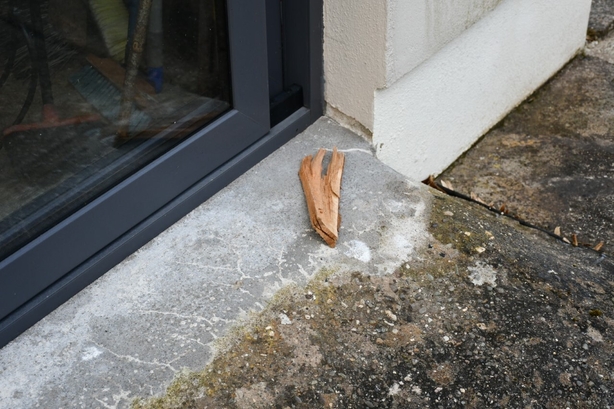
This video is recorded inside a house. It shows crow repeatedly throwing a stick against some patio doors. He keeps lifting the stick up again – flying up – and flinging the stick against the glass doors - time and again.
Niall Hatch joins us in studio to shed some light on this peculiar behaviour.
NOISE POLLUTION IN OUR OCEANS - Emer Keaveney
Scientists are becoming increasingly concerned about the impact of rising noise pollution in our oceans – which is threatening whale and dolphin populations, interrupting the rhythm of their behaviour and in extreme cases causing death.

Helicopter Landing On Offshore Oil Rig - Photo Getty
It's thought that noise levels in marine environments are about 8 times higher than they were 30 years ago, and needless to say – these are man-made. They emanate from activity like commercial shipping, drilling on the seabed for wind farms, oil exploration and military sonar.
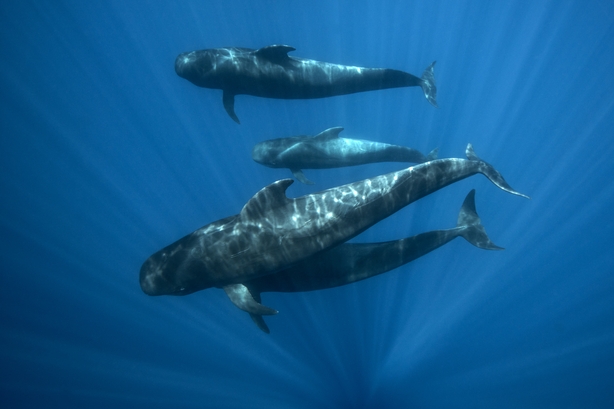
SHORT-FINNED PILOT WHALE in the Atlantic off the Spanish coast - Photo Getty
Now a new project off the coast of Baltimore in Co. Cork is trying to establish what's happening on Ireland's ocean beds – to uncover how noise pollution may be changing and damaging the habits of species.
Ecologist Emer Keaveney is lead researcher for ORCA – the Ocean Research and Conservation Association and she joins Derek on the line.
CUCKOOS - Jim Wilson
Last week we launched our citizen science project – "SHOUT OUT FOR CUCKOOS" – encouraging you to report hearing or seeing the first cuckoos of the season.

A cuckoo - Photo Marion Karetta
We have received a lot of emails from around the country but there seem to be be more from Cork than anywhere else.

Naturalist Jim Wilson joins us from Cobh in Co. Cork to discuss whether Cork is a hotbed for cuckoos.