


To listen to RTÉ.ie's radio and podcast services, you will need to disable any ad blocking extensions or whitelist this site.
0
00:00
00:00
Story Notes
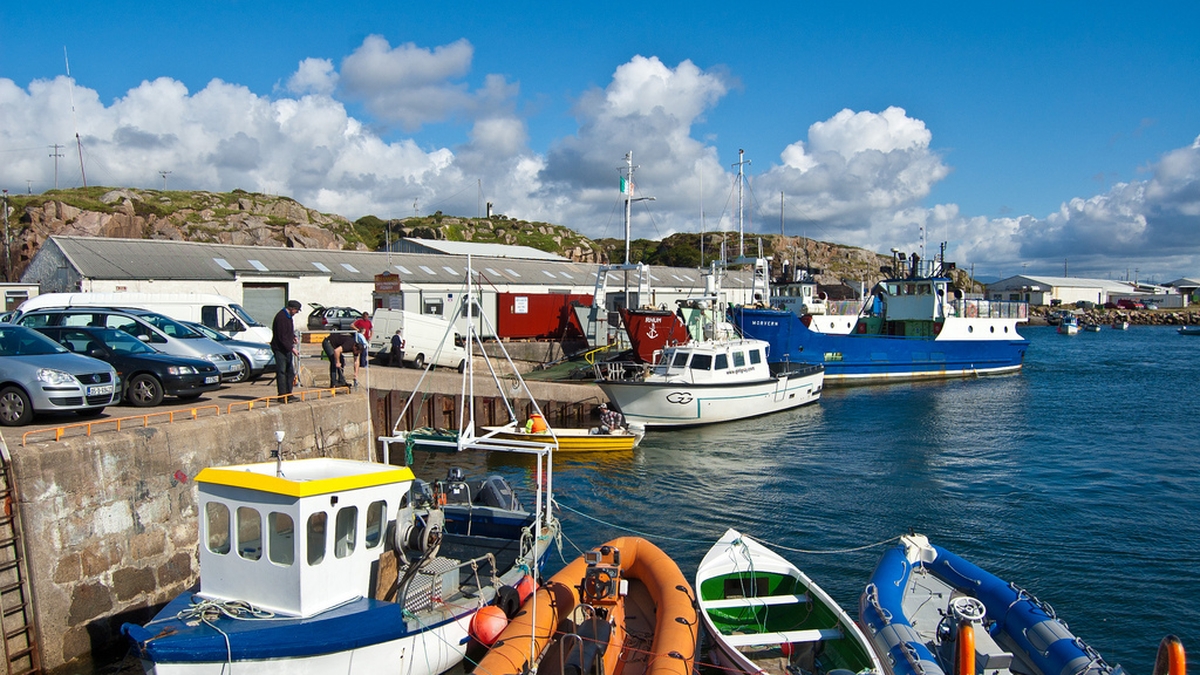
The fishing industry has changed dramatically in Ireland over the past one hundred years, it has been an important source of economic activity in our remote coastal regions. In one study (Drudy and Phelan 1982) it found that for every job at sea in the Donegal fishing industry that there were two jobs ashore in the fish processing and ancillary industries.
Today we are being encouraged to eat fish and as much of it as possible, as we now know that fish is packed with protein, vitamins and nutrients that can lower blood pressure and help reduce the risk of a heart attack and stroke.
This radio documentary delves into the migratory fish-workers from the town of Burtonport in County Donegal. This area of Donegal was filled with skilled workers and this area was ahead of it's time as work was available for men and women. Although many left for Scotland and the Shetlands as the industry was booming there with a shortage of skilled workers.
During the herring boom in the late 1800s and early 1900s, a boom which saw 1000s of girls employed as fish gutters, following the fishing fleet from Shetland to Yarmouth and Lowestoft as the herring season progressed. These women knitted whenever they had free time, and incorporated patterns they saw in other areas. In this documentary we hear directly from those with experience in the industry including Mary Boyle, Mickey Joe Boyle, Mickey Boyle, Joe Duffy, John Campbell and Padraig Mac cNaimhsi.
First broadcast RTÉ Radio 1, 15 January 1980
Produced and Presented by Proinsias Ó Conluain
'Documentary on One - The home of Irish radio documentaries - The largest library of documentary podcasts available anywhere. We tell stories in sound, mostly Irish stories, with each documentary telling its own story'