
Galway City Council has secured a €3.36 million EU grant to deliver an innovative project called WATERWAY.
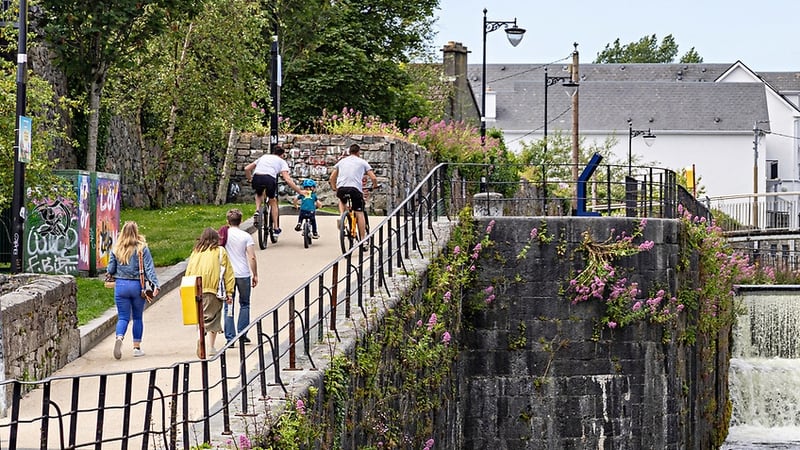
The council has become the first local authority in Ireland to receive funding under the European Urban Initiative (EUI) - innovative actions programme. The grant was awarded through the European Regional Development Fund (ERDF) to help revitalise the city's historic canals as a source of clean energy and better public engagement for pedestrians and cyclists.
The WATERWAY project will see the installation of three small-scale hydropower turbines at selected sites, bringing the canals that once powered the city's mills and industries back to life.
The proposed locations currently being reviewed are the Mill Street Canal, Terryland Waterworks and the Mclaughlin Building, Nun’s Island. The locations will undergo detailed design to finalise appropriate design considerations.
Some of the locations already contain existing infrastructure such as turbines, sluices and culverts, allowing for modern energy production with minimal disruption to sites.
These turbines will harness the natural flow of the canals to generate electricity for public use, including powering buildings and EV charging, while also delivering clean, renewable energy back to the electrical grid.
The council said the micro hydropower initiative is safe for wildlife above and below the water; no equipment will be installed in the main Corrib River, and the project will strictly focus on the city's purpose-built existing industrial canals.
Director of Services at Galway City Council, Derek Pender, said: "This initiative represents a significant step forward in Galway’s commitment to sustainability and innovation. Once operational, the Galway City project will serve as a demonstration site for other local authorities across Ireland and the EU, showing how underused water infrastructure can be reimagined to deliver positive environmental, economic, and social impacts.’’
The announcement comes after the Sustainable Energy Authority of Ireland (SEAI) highlighted the urgent need for faster action to meet climate goals. The WATERWAY project is seen as a response to that challenge by offering a scalable model for energy transition in Irish cities.
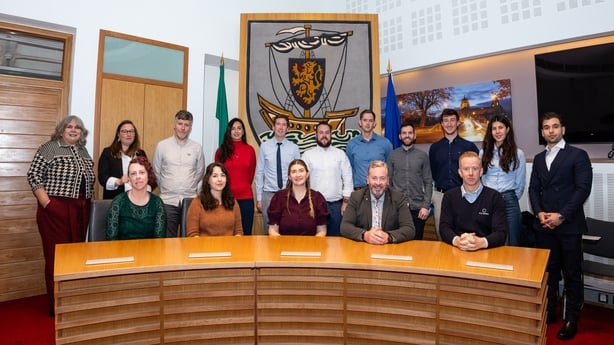
Climate Action Coordinator with Galway City Council, Damien Redington, added: "A key component of WATERWAY is the establishment of a Living Lab - a space for workshops, learning experiences, and site visits aimed at schools, colleges, community groups, and the public. This will ensure Galway residents are not only informed but actively involved in the city’s climate transformation.
"The project will also help train Ireland’s next generation of climate professionals, with new academic modules developed by the University of Galway focused on hydropower, sustainability, and innovation. Importantly, the energy generated through WATERWAY will provide ongoing revenue that is reinvested into local climate initiatives, community campaigns, and future green infrastructure.’’
In 2025, Galway City Council was named the winner of the All-Ireland Community and Council Awards "Best Trail/Waterway in Ireland" award, celebrating its work in opening up canals and rivers as public amenities.
The council said WATERWAY will build on that success by creating a new outdoor museum trail, allowing residents and visitors to learn about Galway’s industrial past and sustainable future.
The turbines will both power infrastructure and become educational landmarks, embedded into Galway’s green urban fabric.
The first turbine installation is expected later this year, with the overall project scheduled for completion in early 2029.