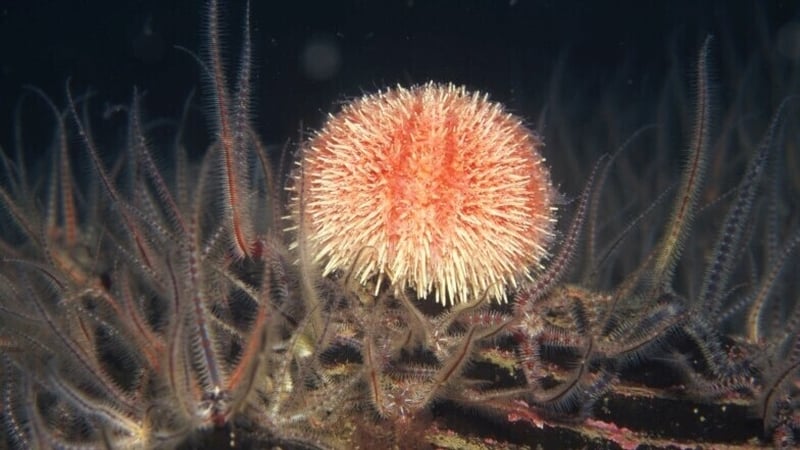

A striking photographic archive, comprised of undersea images from Galway Bay, is being launched at an event at city's museum this evening.
The material was captured by the late John Costelloe, a marine scientist who was a keen scuba diver.
He photographed a range of marine life in the waters off Galway over several years. The images give a detailed insight into the colours, shapes and structures that lie just beyond the shoreline.
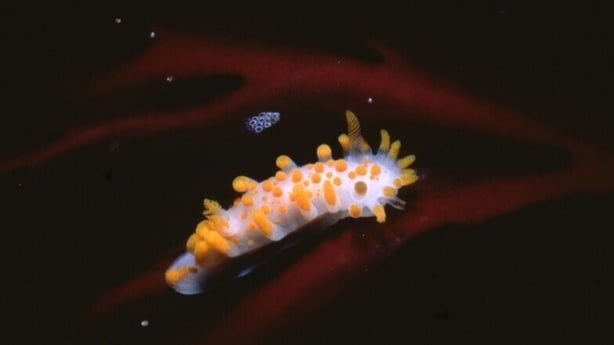
His work is being showcased in the An Tír Faoi Thoinn - The Land Beneath the Waves exhibition, which is being opened at the Galway City Museum.
The Acting Director of the facility, Adam Stoneman, described Mr Costelloe’s photographs as "an extraordinary visual legacy" that would inspire new generations "to explore, understand and protect the marine environment".
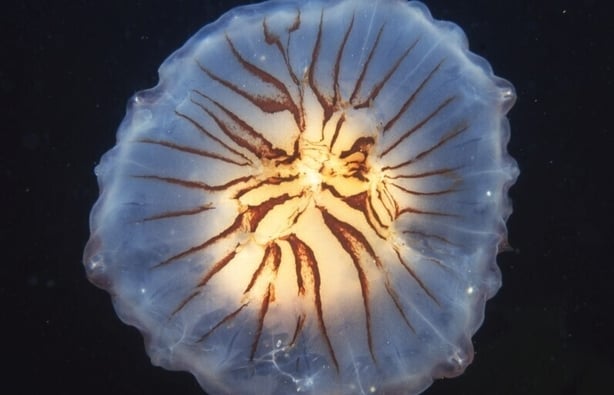
As well as presenting the vivid images, a number of sculptures have been commissioned to accompany the display.
Organisers say these are intended to "highlight the power of the underwater world as a source of creative inspiration as well as scientific discovery".
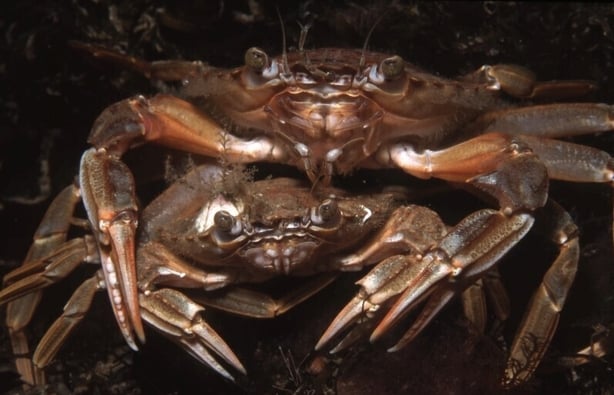
That’s in keeping with the work carried out by Dr Costelloe, who combined a scientific career on both sides of the Atlantic with leisure diving and underwater photography.
The CEO of the Marine Institute, Dr Rick Officer, says the images capture the connection between the city and its maritime environs, as well as detailing a rich ecosystem that needs to be safeguarded and sustained.
The exhibition, which is free to view, runs until June.