
A decision on a proposed ring road in Galway city is now anticipated in the coming weeks, after An Coimisiún Pleanála confirmed that an inspector's report on the application had been finalised.
It is the latest stage in an ongoing process, after local authorities in Galway and Transport Infrastructure Ireland provided additional information to the planning authority, as part of their effort to secure approval for the 18 kilometre route.
It would run from the existing M6 motorway to a location west of the village of Bearna.
The road was initially approved in 2021, only for permission to be rescinded, after it emerged the impact of the development on the State's Climate Action plan had not been considered, as part of the adjudication process.
That led to the application being 'remitted’, with updated data provided in relation to the climate impacts, during both construction and operational phases.
It is estimated that the build-phase of the project would result in 126,000 tonnes of carbon emissions into the atmosphere.
Officials are describing their forecasts as "short-term major adverse effects on climate" and say these "are inevitable for any transport infrastructure development".
But they also concede the project would have "a permanent moderate adverse residual effect on climate" over its lifecycle.
All parties to the process have been informed that a second oral hearing into the proposal will not be required.
Responses to public submissions in relation to the updated data have now been analysed.
An Coimisiún Pleanála says that following the completion of the inspector’s report, the matter will now proceed to the planning board for a final decision. These deliberations are usually concluded within a four- to six-week timeframe, meaning the outcome is expected by mid-March.
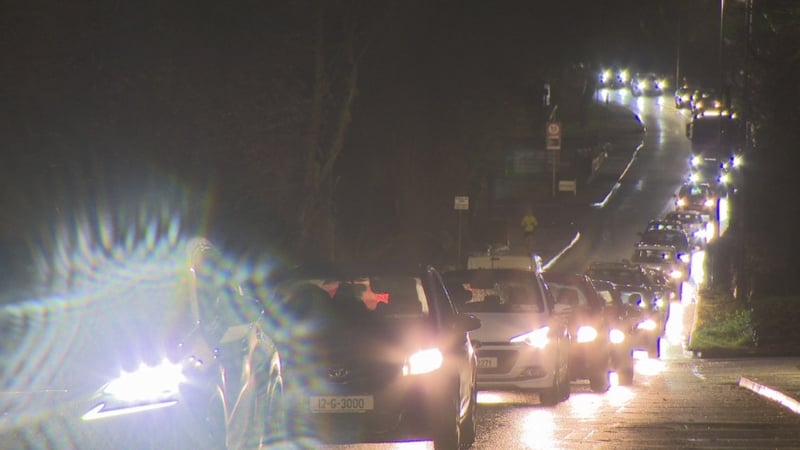
Proponents of the road say it is essential to alleviate traffic congestion around the city and to ensure the area is adequately able to expand and develop in the coming years.
But groups opposed to the plan say it would "lock in" increased carbon emissions from motor vehicles and argue that other, more sustainable solutions should be progressed instead.