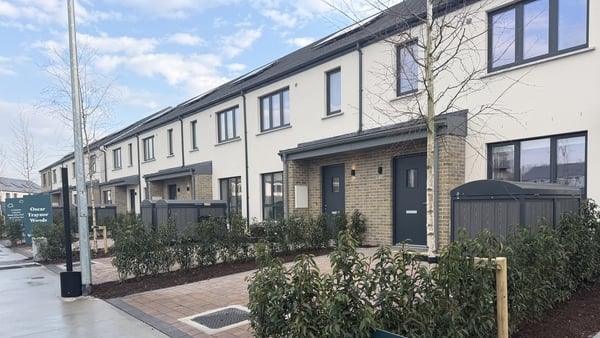
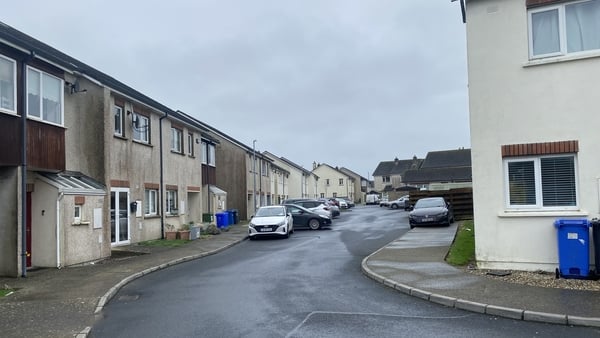
Almost all roads in the Dublin City Council area are likely to have speed limits of 30km/h by early next year, following a speed reduction assessment which is currently under way.
The council is examining areas that currently allow speeds of 50, 60 and 80km/h and a public consultation on the changes will be issued in the coming months.
It is almost 20 years since Dublin City Council began gradually reducing speed limits to 30km/h, mainly in the city centre and residential areas of the capital.
The majority of roads in the area now have a 30km/h limit, but the remaining roads, which have higher limits, are now being assessed to see where further reductions can be made.
The last round of reductions took place around 2020, and this latest assessment is likely to result in almost all roads in the Dublin City Council area having a 30km/h speed limit.
The small number of roads that have a 80km/h limit may also see a reduction to 60km/h.
Head of Traffic at Dublin City Council, Brendan O'Brien, said the move is being made to improve road safety on the streets of the capital.

"We still have a considerable number of roads that are either 50, 60, or in one or two cases, 80km/h. We're looking at those in light of the new guidelines from the Department of Transport on setting a speed limit, and what we hope to be able to do is to bring forward a list of roads which at the moment can be changed under these guidelines from 50 to 30km/h.
"We also will be looking at roads where currently they're 50 but we feel should be 30 but will require some additional traffic calming or road narrowing in order to allow us to do that at some point in the future.
"We don't have a lot of high speed roads within the city, the highest is 80. We'll be assessing those in line with the guidelines and it may end up that our maximum speed is maybe 60 rather than 80km/h, but those number of roads are relatively few. Where we'll be concentrating on is areas at 50km/h, where they have a lot of residents, where they have a lot of vulnerable road users and looking to see which one of those in line with the guidelines will be reduced.
"If you look at the difference between being hit by a car at 50 and hit by a car at 30km/h, the difference is huge. Your chances of surviving, of getting up and walking away and not being permanently injured or worse, killed, is about nine times out of 10 you will survive. As you move up to 50, that really starts to diminish significantly, and as you get to 60, it's really much less.
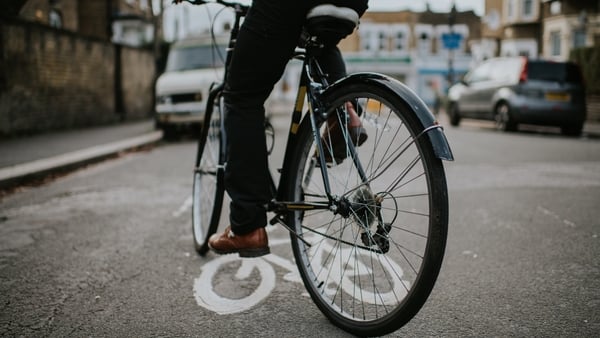
"When we think of the kind of city that we want, which is a city where people can move around, they can walk, they can cycle, they can linger, having roads where people can drive quite fast on them isn't really fitting with the kind of urban environment that we want to create."
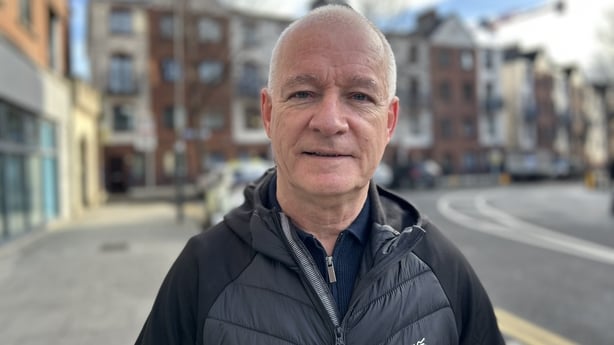
However, some of those who use the roads said the lower limits will be challenging.
Spokesman for the National Private Hire and Taxi Association Jim Waldron said it will impact on journey times for professional drivers and increases the risk of them accumulating penalty points.
"We realise that the 30 kilometre zone is necessary in the residential and the high footfall areas. We don't think it's necessary in roads that have, for example, a separate cycle lane, or three or four lanes for traffic. As a taxi driver it will be a little bit inconvenient because we're trying to get to customers to pick them up and it will slow us down on our journey, so the pickup time will be slower.
"Practically it's going to be very hard to stay below 30 kilometres. Most modern cars today move very quietly, and they have their own braking systems, so to move at 30 kilometres is actually going to be hard. It's very easy to pick up penalty points, and if we get 12 penalty points, we'd be off the road, and your livelihood is gone."
Dublin City Council said a public consultation on any changes to speed limits will take place before they are introduced.
More changes for Dublin drivers are also coming down the line, with the next phase of the Dublin City Transport plan and details about the pedestrianisation of College Green due to be introduced in the coming months.
We need your consent to load this rte-player contentWe use rte-player to manage extra content that can set cookies on your device and collect data about your activity. Please review their details and accept them to load the content.Manage Preferences