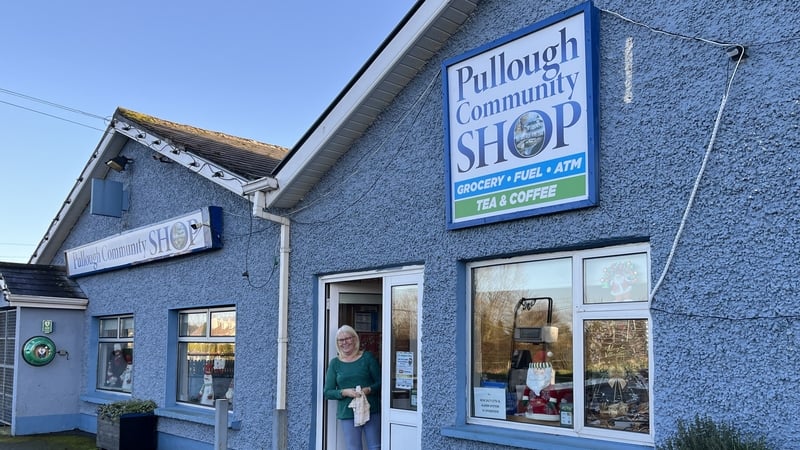
Community businesses are working to allow small populations in rural Ireland to thrive.
Shops, cafés and even pubs with communities at their centre are allowing Ireland's rural towns and village to keep a central focus.
Approximately 37% of Ireland's population live in a rural area, classified as a settlement of fewer than 1,500 people.
Although Ireland’s population is growing, rural areas, particularly remote and peripheral areas in the midlands and the west, have been experiencing consistent population loss.
Pullough Community Shop in Co Offaly, was established eight years ago so that locals could buy basic household items such as bread and milk without having to travel 10km to the nearest town, Ferbane.
The premises is rented to the community for free and the shop is entirely volunteer-run.
We need your consent to load this rte-player contentWe use rte-player to manage extra content that can set cookies on your device and collect data about your activity. Please review their details and accept them to load the content.Manage Preferences
"We would have started off very, very small," said Paddy O'Reilly, who has been a volunteer with the shop since the beginning.
The shop only has to cover utility bills, stock and a float for the till.
Fewer than 250 people live in the village.
Including the surrounding area, the catchment area for the shop is around 800 people. However, the volunteers keep the shop open seven days a week.
"Everybody in the community benefits from it," said Chairperson of Pullough Community Shop Theresa Buckley. "We don't only serve them, it's more personal," she added.
"They could come in for a packet of tea bags and stay for an hour chatting.
"It keeps everybody in contact with one another," she added.
During the Covid-19 pandemic, when it was impossible for many to travel to the nearest town, the shop became invaluable to locals, Ms Buckley said.
"It was crazy times," she said.
"But I think if you asked anybody about the shop, that would be the one thing that they would remember, would be the Covid situation and how they still got what they needed."
Mr O'Reilly took phone orders and delivered the items to peoples' homes in the community.
"Some people were afraid to come to the door, so I'd leave the stuff there.
"We'd get fixed up another time. They'd also ring us if they were stuck for medication in Ferbane.
"It was great to be able to do it, because people were very, very afraid at the time," he said.
The shop has also expanded to include a community space dubbed "The Hangout", mainly used by local children.
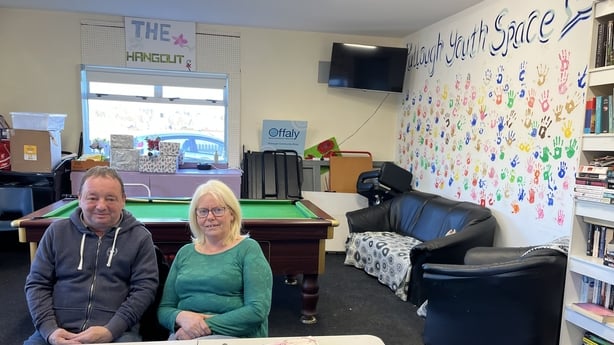
"Sure, you can't leave the kids out," Ms Buckley said, adding "they're the ones that keep the place going".
"They can do their homework, play their game of pool, just hang out ... there's nothing else for them, especially if the weather is bad.
"The youth place is very important in a community like this," she added.
"We have a great atmosphere. There would be a good bit of craic going on here."
Professor in Sustainable Rural Development at University College Cork Mary O'Shaughnessy said that rural areas have unique challenges.
"Our rural areas are some of the most beautiful parts we have across Europe, including Ireland, and they have so many untapped assets and resources that need to be also mobilised for the purpose of sustainable rural development," Prof O'Shaughnessy said.
"Rural well-being is characterised by a number of things, having an economic competitiveness in a rural area, having access to a good environment, and having access to basic services.
"And we have seen over time a decline in certain basic services, which inevitably is going to impact on the well-being of those rural communities," she said.
Locals pitch in to save community-owned pub
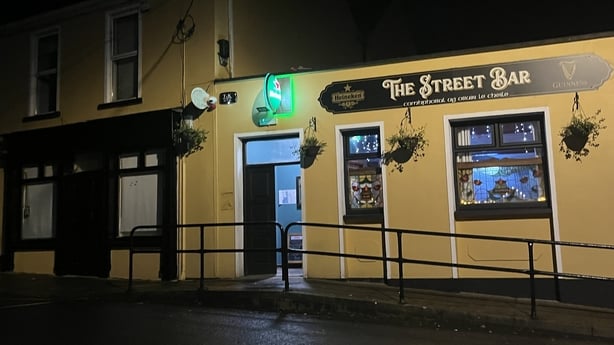
The Street Bar in Kilteely, Limerick is just the second community-owned pub in Ireland.
The family that ran the last pub in the village wanted to retire, so Kilteely native, Noel O'Dea, created a syndicate of locals to buy the pub as a community.
"Otherwise, it would have been bought for development," Mr O'Dea said.
The locals raised €300,000 between 20 shareholders with a €15,000 stake each.
The purchase of the pub included a disused shop and five-bedroom house. There are plans for a butcher to move into the shop premises next year.
There is a risk that the investors could lose their money.
"It's for the community," Mr O'Dea said.
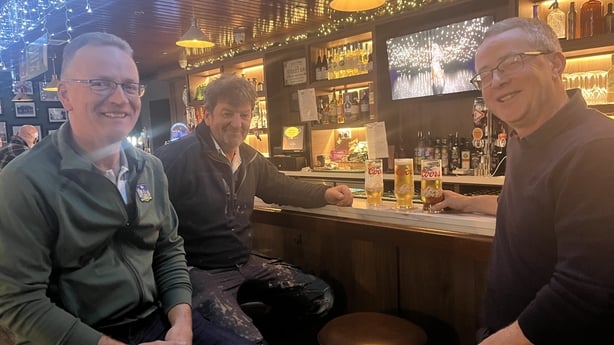
"Everybody that bought into it for the same reason. It was the last pub left in the village, so we had to do something about it and everybody bought into it," he said.
"But unless it's a viable business, it's not going to have a future."
Mr O'Dea is proud of what the pub has achieved in its first five months. It has already hosted birthday and Christmas parties as well as charity events.
"We've had a fantastic start," he said, adding "the reaction from the local people has been amazing".
According to a report published in July commissioned by the Drinks Industry Group of Ireland, 2,119 pubs have closed in Ireland since 2005.
The decline rate is higher in rural counties. Limerick saw the highest decline of any county.
The village of Kilteely has a population of 200, according to the 2022 census. Including the hinterland around the village hub, the population increases to around 800.
"There are lovely pubs around the area... nothing wrong with them but it's just that they're not in this community, this village," Mr O'Dea explained.
"That's the only difference. Another pub is not part of you, it's not where you grew up."