
Diplomats from several eastern European countries have reiterated the need for a shared approach across the continent, in order to ensure Russian aggression in Ukraine is defeated.
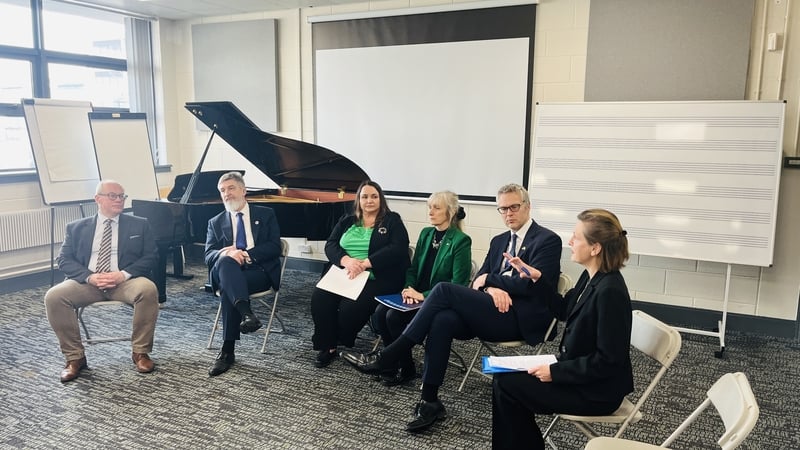
Representatives from the embassies of Ukraine, Poland, Estonia, Lithuania and Latvia made the call at an event in Galway today.
They gathered for a roundtable discussion, examining how a just and lasting peace for the region can be achieved.
The event, at the University of Galway, heard Ukraine was the battlefield between dictatorship and democracy.
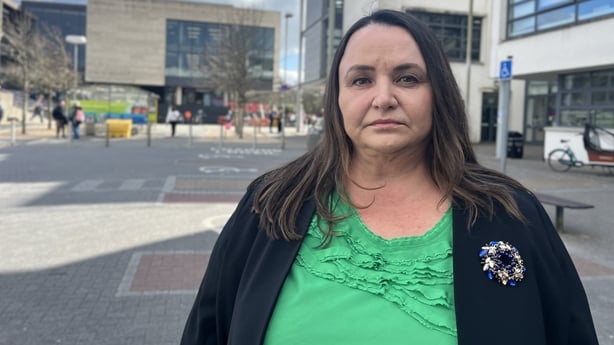
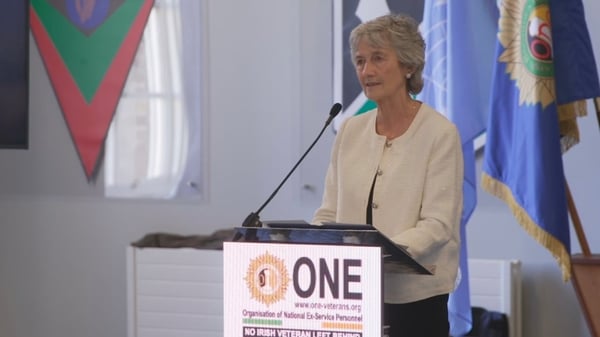
The Ukrainian Ambassador to Ireland, Gerasko Larysa (above), told the meeting that her country was fighting for its existence but also for peace and security across Europe.
She said the Ukrainian government was ready for peace talks but that it would need security guarantees for there to be a just and lasting settlement. The ambassador said this was needed to safeguard against future invasions and to offer renewed hope for her compatriots, who had left their homeland.
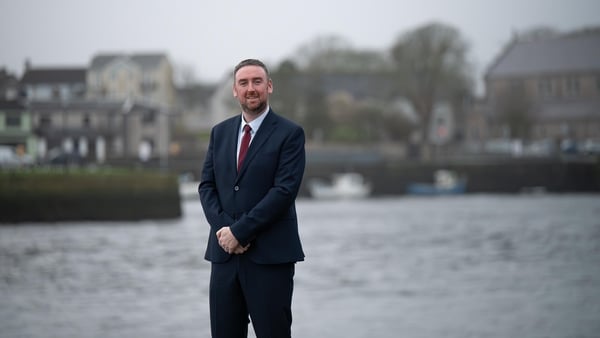
The Chargé d'Affaires of Poland to Ireland, Artur Michalski (below), said countries in eastern Europe knew for centuries what the nature of Russian thinking was. He said the nature of that imperial approach should now be obvious to people across the entire continent.
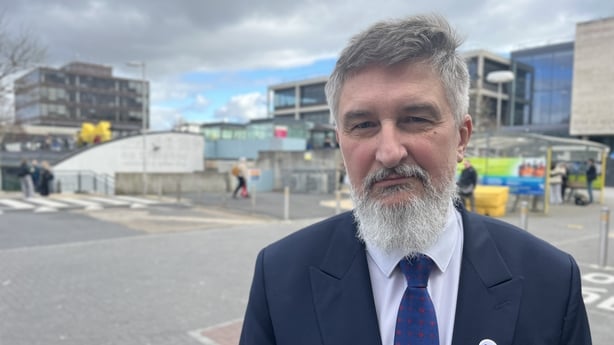
Underlining the need for a unified approach to deal with the Russian threat, Mr Michalski said increased spending on security was needed across the EU. He said this did not mean member states wanted war, but that greater strength would signify their desire for lasting peace.
Those sentiments were echoed by the Estonian Ambassador, Kairi Künka (below), who said the experience of Russian occupation up to the early 1990s was central to her country’s thinking.
Ms Künka said the western values of Europe and an adherence to a rules-based international order were key to copper-fastening democracy and guarding against future Russian aggression.
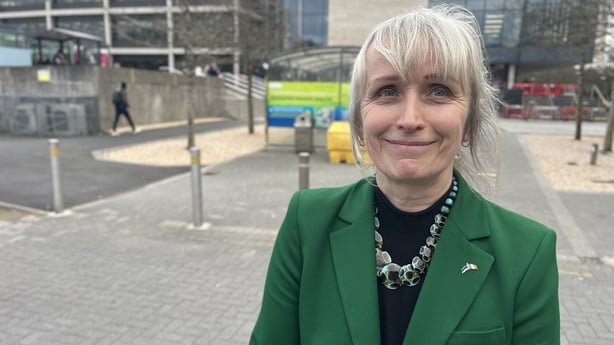
She said small countries needed to be vocal about the need for such thinking and ensure they were prepared to back their aspirations with actions, particularly when it came to defence spending.
The Latvian Ambassador Juris Štālmeistars said the Baltic States had used their shared histories to forge important alliances, to resist against their aggressive neighbour.
Mr Štālmeistars (below) also said Europe needed to discuss what it could do collectively to increase its strength. In this regard, he said it was important to build strong and resilient economies to protect the achievements of recent decades.
"That’s a task facing all small countries, including Ireland," he said.
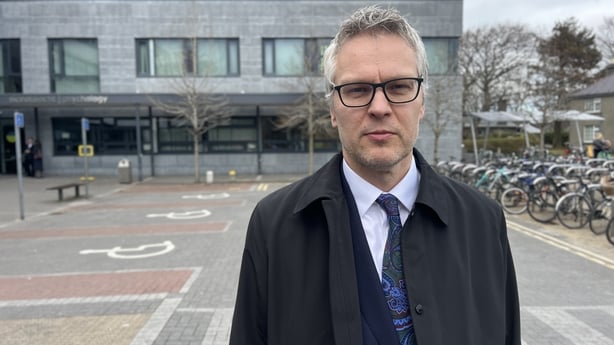
"Europe needs to be united and withstand endeavours to divide its common aims and goals," he added.
The lived experience of Soviet occupation was also referenced by the Lithuanian Ambassador, Jonas Grinevičius. He said the influence of Moscow had taken Baltic States out of their "natural place" in European civilisation but they had made great strides to return to their "natural home" in recent decades.
Mr Grinevičius (below) said Europe had to realise and face up to the common threat to all countries, if Russia was not checked.
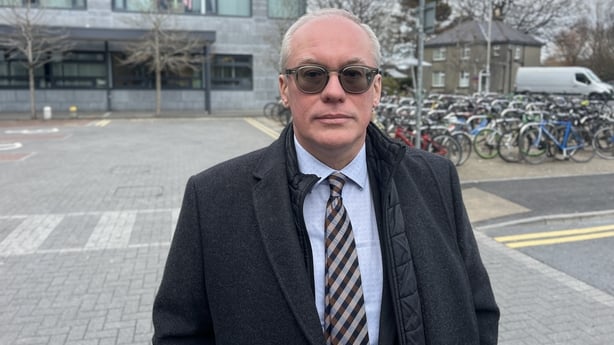
He said that in the face of this, it was vitally important for all countries to have a shared modus operandi with their neighbours and allies.
Ambassador Larysa said that if her country fell, Russia would invade other states. "Unpunished it will go further," she said.
She added that Ireland was not removed from the threat, despite its geographical location.
The ambassador said that there was a danger of a hybrid war, with disinformation, electoral interference and other tactics employed by Moscow, as part of a warfare strategy that "doesn’t have any borders".