


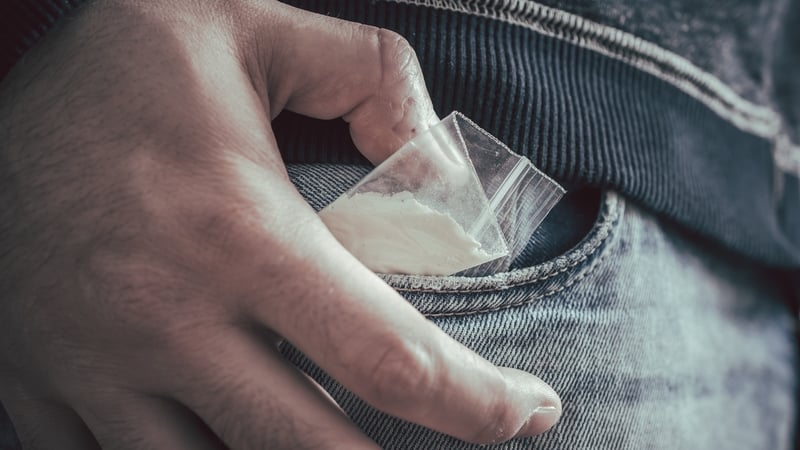
A drug and alcohol treatment centre has said there has been a surge in cocaine use, with it and alcohol the most prevalent drugs presenting among addicts.
Coolmine said 57% of all men in residential treatment in 2022 were there for cocaine addiction.
It said that specialist cocaine support programmes have been established in both Dublin and Cork in response to the significant increase in waiting lists for treatment of cocaine addiction with 70 people supported in these cocaine specific programmes
In its annual report Coolmine said it provided services to over 2,300 individuals and their families across 15 facilities and 22 satellite clinics last year.
Coolmine Chief Executive Pauline McKeown said the organisation worked with 25% more people last year "and that figure will be surpassed at the nine-month mark in 2023."
Speaking on RTÉ's Morning Ireland, she said: "We're looking at thousands of people who are homeless and seeking support for addiction."
Ms McKeown said homelessness leads to taking more drugs and the drug use itself then can lead to homelessness, and family relationship breakdowns as well.
She said for women the situation is more complex.
"There would be multiple needs, which includes the fact that they’re a mother or they may be pregnant and that adds another dimension," Ms McKeown said.
"And for us during 2022, in response to the growing demand for our services, we opened a second mother and child residential treatment service in the Limerick region and that service supported 194 individuals, including 21 women into treatment and 13 of their children with them.
"Rather than a mother having to put her children into care, she's able to come in and access treatment concurrently."
Ms McKeown said the service is the second one Coolmine has opened.
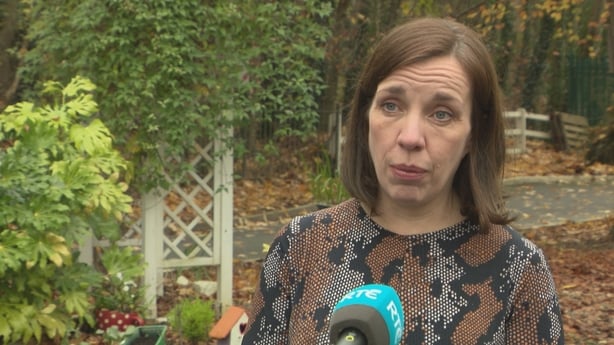
Ms McKeown said the service is stretched.
"Right now, we've over 34 women trying to seek a treatment place and we've over 57 men trying to seek a residential treatment service," she said.
Ms McKeown added that Traveller women have additional challenges due to stigma they experience.
"There's multiple layers there. As a woman who uses drugs as a member of the Travelling community, there's multiple complexity there for them," she said.
"And in terms of access and treatment, because they can bring their children into treatment and into service with them and access that recovery, they do come forward and they do seek our help."
