
A Westminster committee says new trading arrangements to replace the Northern Ireland Protocol are an improvement but do not resolve all the issues.
And the reaction of a DUP peer and senior party figure who sat on the committee appears to indicate that a return to power sharing at Stormont is not likely soon.
The report by a House of Lords committee examined plans for the movement of goods between Britain and Northern Ireland under the so-called Windsor Framework.
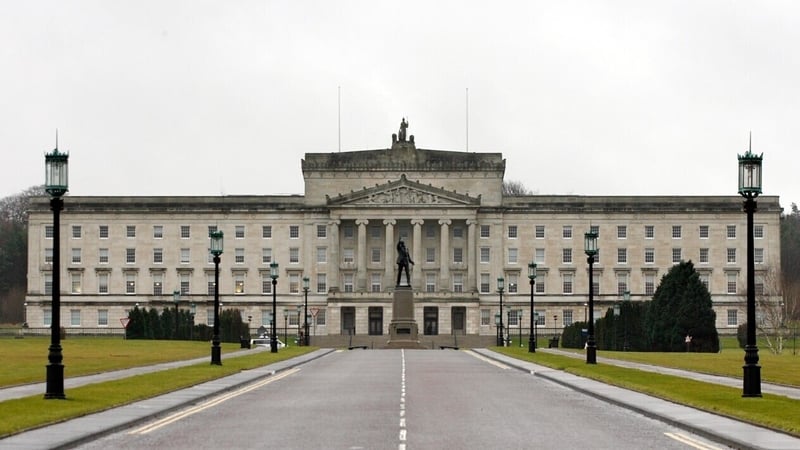
The DUP has refused to go back into power-sharing at Stormont until its concerns about Northern Ireland's economic and constitutional position are addressed.
It has asked the UK government to provide legislative guarantees before it will rejoin the executive - effectively leaving Northern Ireland to be run by its civil service.
The Windsor Framework established a new red lane/green lane system for goods moving from Britain to Northern Ireland depending on whether they are for internal consumption in Northern Ireland, or onward movement into the Republic of Ireland.
Green lane goods are subject to minimal risk-based checks, underpinned by extensive data sharing between UK and EU officials.
The committee found that while the new arrangements would benefit some retailers, others would be left with additional bureaucracy.
"The benefits of the provisions of the Windsor Framework on movement from Great Britain to Northern Ireland via the green lane of retail goods, agri-food produce including chilled meats, parcels, pets and human medicines have been particularly highlighted," the report said.
"However, for some businesses, the processes under the Windsor Framework will be more burdensome than under the Protocol as it has operated with grace periods and easements.
"While the green lane will benefit large retailers in particular, some retailers, and some other sectors, may have to use the red lane."
Read more: Majority in NI think Windsor deal could bring benefits - poll
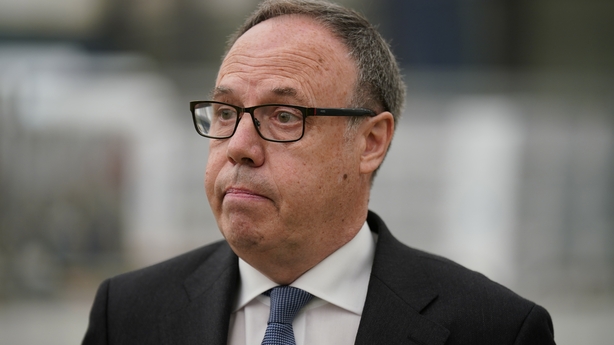
Nigel Dodds, a DUP peer and former deputy leader of the party, sat on the Lords committee.
He said the Windsor Framework represented the "embedding of the Irish Sea border to a greater extent than anything we have seen thus far."
He said it created more checks and barriers to trade with the rest of the UK, than under the previous protocol.
The Lords committee also found that a mechanism within the Windsor Framework to give politicians a say over the application of EU law in Northern Ireland had divided opinion.
It said some regarded the so-called Stormont Brake as a "genuine and innovative" attempt to give politicians a voice, while others felt the conditions for its use and limited scope of its application would mean it would have a "negligible impact".