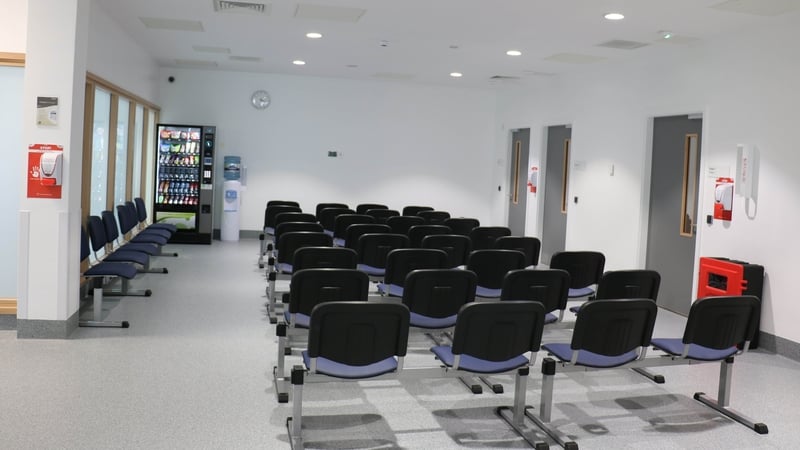

The emergency department at University Hospital Galway is moving to a new location at the front of the hospital over the coming weekend.
The unit is expected to remain in place here for several years while a permanent new facility is being built.
In order to minimise the impact of the move hospital management is requesting that people only attend the ED if it is an emergency situation from tomorrow onwards.
Chris Kane, General Manager, Galway University Hospitals said: "The ED move has been planned to minimise the impact on patients as far as possible, however it is inevitable that there will be some disruption as it is a 24/7 service which doesn't have a downtime that would allow us to cease the service for the duration of the move.
"We would like to give advance warning to the public that they will experience delays this weekend."
In an effort to minimise attendance this weekend, people are being asked, if at all possible, to attend their GP in the first instance.
The Roscommon Injury Unit is also open from 8am to 8pm to treat adults and children over five years of age.
Management say the new €100 million emergency department is urgently needed to support the needs of an increasing population in the west.
"Our current ED service is not resourced for the increased population and the changing demographics with growing levels of attendance by those aged 75 and over, which is a trend that will continue," it said.
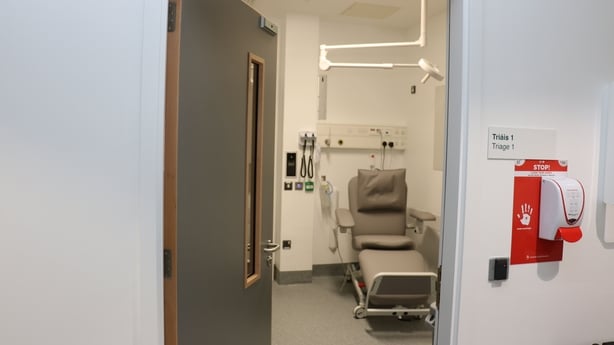
Professor Pat Nash, Chief Clinical Director for the Saolta Group, said: "The temporary ED facility will have more capacity and will provide all single closed cubicles and extra resuscitation bays.
"Although this increase does not meet the population needs, the layout of the temporary facility provides greater privacy and dignity for patients."
Hospital management say they recognise that the move this weekend will be disruptive but say it is a crucial first step on the journey for a fit for purpose emergency department with the capacity to provide high quality, timely, patient focused care and deliver the best possible outcomes for patients.