Broadcaster Gráinne Seoige has said that sexualised images of her made with deepfake technology have left her deeply traumatised.
She is calling for action on the availability of such technology to be taken by regulators and the Government.
Ms Seoige was alerted by people close to her of the circulation of such images while she was standing as a candidate in the Galway West constituency in the 2024 general election.
"It was the most shocking thing that's ever happened to me in my life," she told RTÉ's Prime Time. "And it took me a long time to process it."
The issue emerged in the middle of her campaign, when she was canvassing daily and meeting voters face to face.
At the time, Ms Seoige chose not to speak publicly about the image.
"I had to try and repress it, shove it down and get on with the campaign," she said. "It was an incredibly, incredibly difficult time."
However, she now regrets not talking about it more openly at the time, for a number of reasons. "Looking back now, I should have called out what had happened to me immediately.
"These perpetrators, because let's remember, this is a crime ... by saying nothing, in some way, I actually protected them.
"I’ve had to deal with the shame and humiliation of this for almost a year and a half," she said. "It has been deeply traumatising."
She said the experience has changed how she views women's participation in public life.
"I think if any woman asked me, should I stand for office? I'd be very, very, very reluctant to say, yeah, go for it because of the world we're living in right now and what women have to put up with."
She rejected suggestions that AI-generated sexual images could be dismissed as harmless.
"People who dismiss these things as a 'bit of craic' and something not to be taken too seriously are the people whose bodies will never be used as commodities," she said, adding that these "are the people whose bodies will never be abused and violated in this way, and therefore, they never have to understand it."
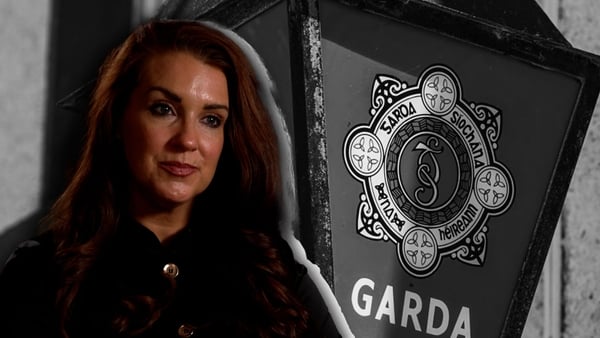
Ms Seoige said the image of her was disseminated through WhatsApp, owned by Meta, and that when gardaí became aware people were in possession of the image, they sought information about its origin.
Rather than cooperate, she said, some recipients refused to share that information.
"Protecting the lads on the WhatsApp group was far more important than my dignity or my right to defend myself against a crime," she said.
In recent days, Ms Seoige says she has written to a number of individuals and organisations about her concerns. She said technology companies were wrongly framing efforts to restrict the creation of images as an attack on freedom of expression.
The companies, she said, are "trying to say that by stopping these horrible, vile images of particularly children being created, that we are in some way stopping free speech, which is absolutely ridiculous."
"This should not be a match between technology companies and politicians", she said. "Real people are involved here, real victims."
Ms Seoige said she has spoken to councillors and trauma specialists who work with children and teenagers affected by image-based abuse.
"The harm is real and it’s long-lasting," she said. "We need to get a grip on this now."
"My heart goes out to any woman and the families of any women who are dealing with this right now. I know you're out there. I see you, I hear you.
"Some good has to come out of the traumatic experience I went through. We have to stand up," she told Prime Time.
"These massive companies who make billions of euro cannot be allowed to ride roughshod over the dignity and the human rights of ordinary innocent people."
Sarah McInerney's interview with Gráinne Seoige is available to view on the 13 January edition of Prime Time on the RTÉ Player.