


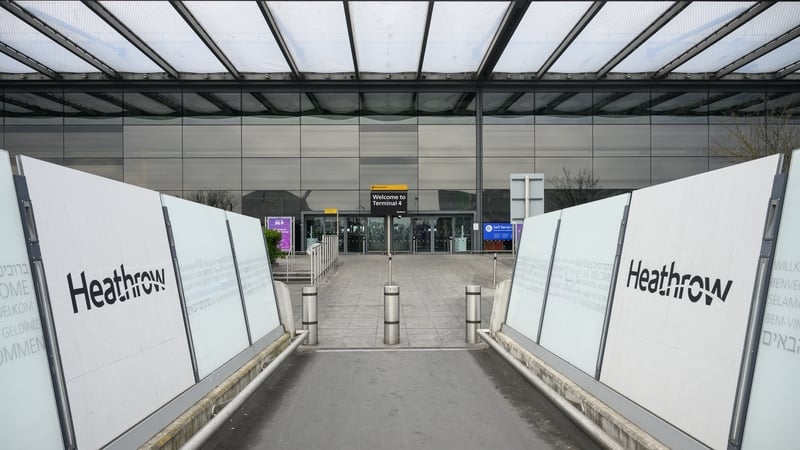
Heathrow Airport said today its passenger numbers fell 5% to 6.7 million in April as the Iran war disrupted travel plans, with traffic from the Middle East plunging more than 50%.
But Britain's biggest airport by passenger traffic said transfer passenger numbers rose 10% as travellers rerouted through London, matching a similar increase recorded in the previous month.
Gulf airlines Emirates, Etihad and Qatar Airways have built their business model on connecting passengers on long-haul flights across the globe.
But following the outbreak of the war on February 28, Iran fired missiles and drones at Israel and US allies in the Gulf, reaching airports and other key infrastructure.
The operations of the Gulf airlines were severely disrupted, and some passengers chose to avoid travel through the Gulf region and opt for alternative transit routes.
Heathrow had warned last month that full-year passenger numbers were likely to be hit, despite absorbing some displaced demand following Middle East airspace closures.
The airport said it will review and update its 2026 passenger forecast in June, with chief executive Thomas Woldbye describing the impact the conflict as a "short-term disruption" that has not dented underlying demand.
