


German sportswear maker Puma has today reported first-quarter sales and operating profit that beat expectations, supported by faster-than-expected inventory clearance.
It also announced a new chief financial officer, the latest of a series of changes to its leadership roles as it seeks to turn its business around in the face of sluggish demand for its sports outfits and sneakers as well as an industry-wide hit from US tariffs on imports.
Puma's shares have declined around 40% over the past two years.
Earnings before interest and taxes (EBIT) rose 19.6% to €51.9m, compared with analysts' estimates of €43m in a company-provided poll.
This was driven by a higher gross profit margin, the company said. It is gradually reintroducing previously recalled inventory into the marketthrough selected partners in the wholesale channel and selling more products directly to consumers, while facing lower freight costs.
Local rival Adidas yesterday also reported stronger than expected first-quarter operating profit and sales, helped by early demand for its World Cup soccer products.
Puma said a solid quarterly performance in the soccer category had benefited from strong demand for its World Cup kits, but declined to provide specific numbers.
More broadly, the company has recalled unsold goods and discounted its products in an effort to clean up inventory in the context of weak consumer demand and heavy industry markdowns.
Some colours of its Speedcat runners can currently be seen offered at a 50% discount on Puma's UK website.
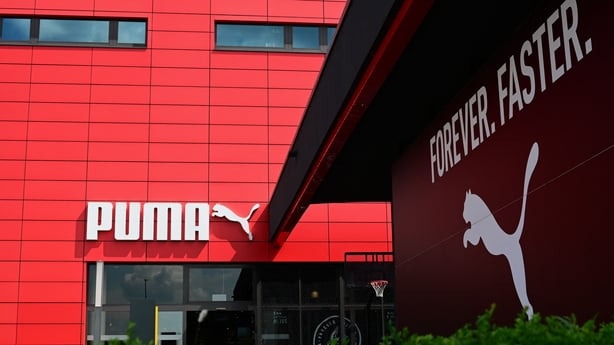
Currency-adjusted sales reached €1.86 billion, down by 1% but above the €1.82 billion forecast by analysts, while inventories declined by 8.6% in reported terms to €1.9 billion.
"We've seen a mid-double-digit decline in our inventory levels at selected (U.S.) wholesale partners," CEO Arthur Hoeld told journalists on a call, reaffirming Puma's target to normalise stock levels by end of 2026.
The results provide an early sign of progress for Hoeld, who took the helm last July.
Puma, which has cut jobs and reshuffled managerial roles in a quest to reduce complexity, also announced it appointed former Hugo Boss CEO and Douglas CFO Mark Langer as its chief financial officer, effective from tomorrow.
In March, a filing showed billionaire Mike Ashley's Frasers had become the second-largest shareholder in the sportswear brand after China's Anta Sports Products, which had earlieragreed to buy a 29% stake in Puma.
Frasers has in the past used its minority shareholdings in companies as leverage to push for strategic changes.
