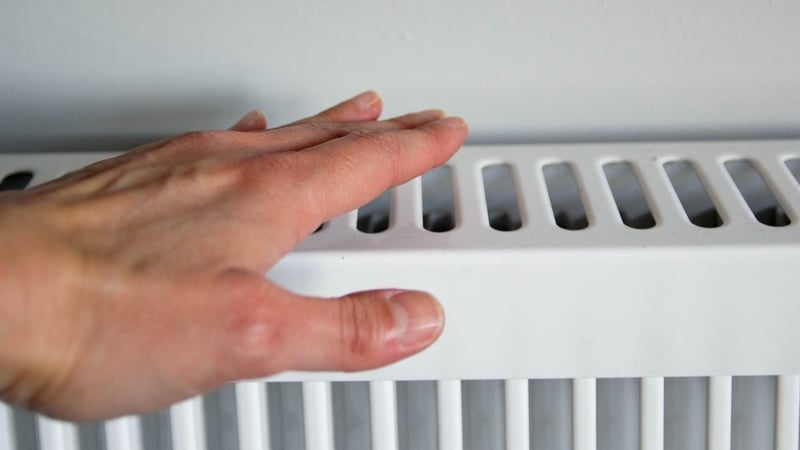

Some 14% of Irish households in 2024 said they were unable to afford adequate warmth or pay energy bills in full, according to a new report from the Economic and Social Research Institute.
The study found that this was well below the 25% level recorded during the financial crisis that began in 2008.
The findings are based on research carried out before the recent rise in energy prices caused by the war in Iran.
The ESRI said that households experience energy poverty when they are unable to afford essential services, such as adequately heating their homes, lighting, cooking or powering appliances.
This poverty, it said, is driven by a combination of low disposable income, high energy costs and poor housing and is strongly related to income inequality, unemployment and deprivation.
When multiple measures of energy affordability are taken into account, the ESRI added, 30% of households experience some form of energy affordability challenge.
The report found that the most cost-effective supports are those targeting the least well off.
It said that people affected would need, on average, €480 of additional income annually to exit fuel poverty.
That would cost the State €370m per year.
The figure is much lower than the up to €575m spent on universal electricity credits by the Government in 2024.
The ESRI research was funded by the Department of Climate, Energy and Environment.
We need your consent to load this rte-player contentWe use rte-player to manage extra content that can set cookies on your device and collect data about your activity. Please review their details and accept them to load the content.Manage Preferences
Protecting the most vulnerable
ESRI Postdoctoral Research Fellow Dr Andrés Estévez said that Ireland wants to protect the most vulnerable in terms of reducing energy poverty.
"That is the first thing. Just look at the people who are in energy poverty and try to provide them with full, adequate support," he said on RTÉ's Morning Ireland.
"There are many things you need to look at - short-term measures, responding to unforeseen situations. And for that, electricity credits are good.
"Whether that are universal or are conditional, that is a matter of efficiency of what the Government can do as a response.
"And then for the longer term, we need to be thinking about financing options that are more accessible and tailored to those most in need and investments in the energy systems of Ireland that take us away from fossil fuels and makes Ireland more resilient to this macroeconomic volatility."
Dr Estévez said that Ireland is actually doing well in comparison with other European countries.
"If you compare it with other European countries, Ireland fares relatively well by when you look at a single measure ... if people can afford adequate warmth, then we are very close to the European average of 9.2%."
He said that the war on Iran has definitely affected energy costs and considering other macroeconomic aspects, "it's likely that households might struggle with higher energy prices".