


New figures from the Central Statistics Office show that the volume of annual retail sales rose by 1.6% in March, while they rose by 0.2% on a monthly basis.
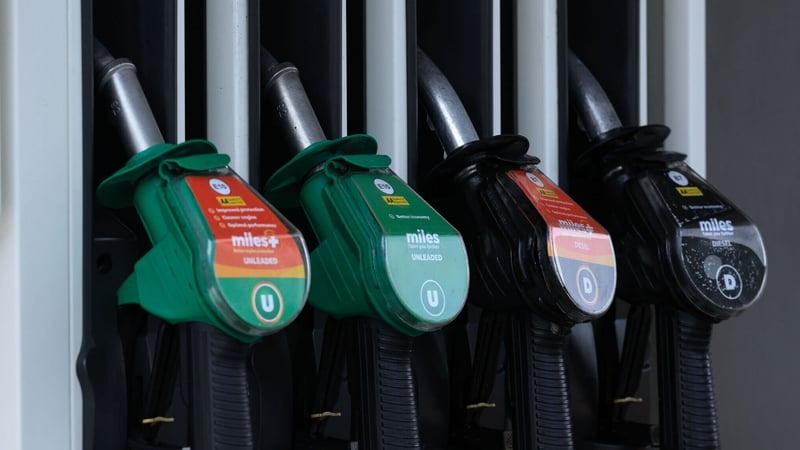
The CSO noted that the fuel sector saw a 7.7% monthly value increase in March and was up by 10.5% when compared with the same month last year.
In volume terms, fuel remained relatively stable in March with monthly and annual increases of 0.1% and 1.4%, respectively.
This divergence of value and volume reflects the inflation currently being experienced in the sector, the CSO said.
Today's figures show the sectors with the highest monthly volume increases were electrical goods, which rose by 3.3%, while sales of hardware, paints and glass were up 3%.
The largest monthly volume decreases were recorded in books, newspapers and stationery, which slowed by 4.2%, while bars sales were down 2.7%.
Meanwhile, the highest annual volume growth was recorded in other retail sales (which include sales of carpets, music, games and toys, flowers, plants, seeds, fertilisers, jewellery and household fuels) and which increased by 5.9%.
Sales of electrical goods rose by 5.1% and sales of pharmaceuticals, medical and cosmetic articles were up 3.4%.
Sectors with the biggest annual volume declines were books, newspapers and stationery, which dropped by 5.7%, while furniture and lighting sales were down 3.7%, and clothing, footwear and textiles sales slowed by 3.5%.
The CSO said the value of retail sales was 0.5% higher in March than in February and was up by 3.8% when compared with March 2025.
Commenting on today's figures, Colette Devey, EY Ireland Consumer Products and Retail Lead, said they point to a steady first quarter for consumer spending.
Excluding motor trades, underlying demand remains broadly stable, suggesting households are maintaining everyday spending despite ongoing cost pressures which is a positive signal, she said.
But she added that beneath the headline numbers, higher energy prices are playing an increasingly important role which can also be seen in today's flash inflation figures.
"The divergence between value and volume in fuel and energy costs is particularly noticeable, highlighting how price inflation rather than increased consumption is driving recent movements," she stated.
"Consumers remain engaged but selective, prioritising essential purchases while managing the higher energy costs that for most households are non-negotiable. This only underscores how global conflict and geopolitical upheaval can have a direct impact on households and businesses, particularly in a small open, trade‑dependent economy like Ireland," she added.
