
Geopolitical volatility is now the top concern for most small firms, according to Azets Ireland.
Its latest barometer found 53% of small firms cited geopolitical issues as their primary risk; far higher than the proportion of larger firms that said the same.
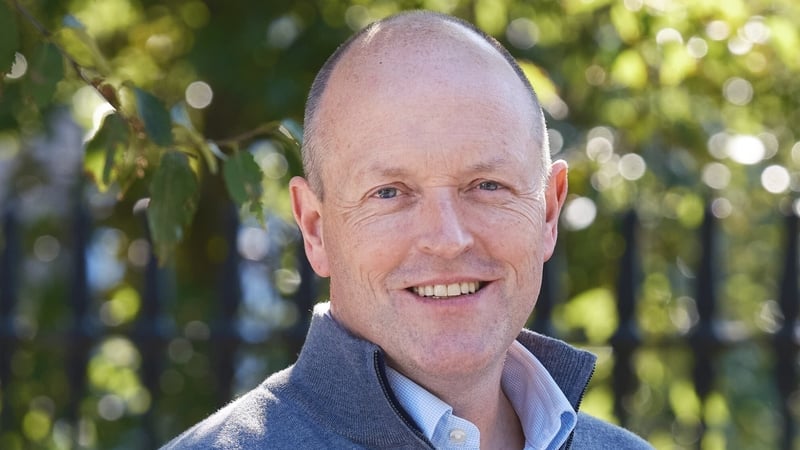
Azets Ireland CEO Neil Hughes described the growing gap in the levels of concern as "striking".
"For the first time, small firms have cited the fact that geopolitical volatility is their main concern," he said.
"The normal concerns that businesses would have, such as the challenge of AI and auto enrollment and the minimum wage increases, these have all been now relegated down to second, third, fourth place," he stated.
The survey was conducted between February and March of 2026, with the results based on the responses of 222 companies across the economy.
Mr Hughes said that smaller firms' concern around geopolitics is likely prompted by the fact that they do not have buffers to absorb rising prices - while they are also more likely to be the first to suffer when other companies and consumers try to cut their own costs.
"They have less capacity to absorb rising costs, they have less capacity to hedge against any disruption, and their inability also to pivot and do something else quickly," he said.
We need your consent to load this rte-player contentWe use rte-player to manage extra content that can set cookies on your device and collect data about your activity. Please review their details and accept them to load the content.Manage Preferences
"If they're focused on being very good at one particular product or service line, they may find that it's no longer viable," he said.
"And they've burned through the reserves they have, they've burned through the favours they can pull in from lenders or creditors, theyface payment arrangements, the old post-dated checks," he added.
Mr Hughes said that SMEs could face a "cliff-edge scenario without targeted and timely intervention" from Government.
He said some companies are already at that cliff-edge.
"That's why we're seeing what the blockades that are around the country at the minute," he said. "There's a level of desperation that has crept in."
He said the Government needs to be better at communicating to businesses, particularly given the belief among many that it was profiting from the high cost of fuel.
"There is that concern out there amongst small businesses that because of the increase in, say, VAT on fuel, that the Government therefore is actually getting some bounty element from that," Mr Hughes said. "Now, I've heard Simon Harris coming out and saying that that's not the case.
"They need to be far clearer, I think, in terms of communicating that message."
He also called for a new wave of energy supports for businesses, similar to the Temporary Business Energy Support Scheme that was launched following Russia's invasion of Ukraine.
But despite the increased pressure on smaller firms, and concerns that prices will continue to rise, the Azets survey also identified a level of optimism among companies here.
Overall business confidence in Ireland was ranked at 6.9 out of 10 - ahead of the regional average and well above the figure recorded in a similar survey in the UK.
"We're not in a bad position - there's still good resilience out there," said Mr Hughes. "The economy is still in a strong place, but it's not in a strong place for a lot of those smaller businesses who we're seeing on the blockades right now."