


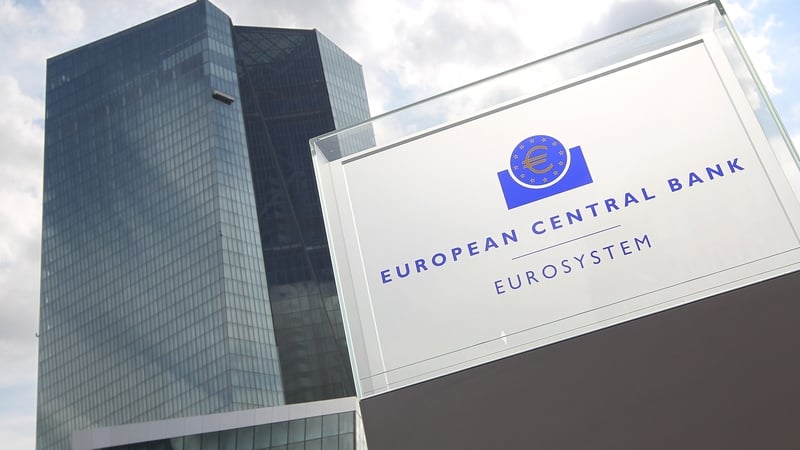
Traders scaled back bets on future European Central Bank rate hikes after a deal for a two‑week ceasefire in Iran, but still priced in two tightening moves by year‑end, uncertain whether a lasting settlement could be reached.
Iran's foreign minister Abbas Araqchi said Tehran would cease counter-attacks and provide safe passage through the Strait of Hormuz, if attacks stop.
In March, fears of a protracted conflict stoked inflation worries, prompting markets to price in a quicker response from the European Central Bank.
Oil fell sharply to below $100 per barrel today, having leapt more than 50% in March.
"The evolution of oil will determine if this rally (in bonds) continues or fades - which of course depends on how the negotiations go," said Rohan Khanna, head of euro rates strategy at Barclays.
"In the very short term, it may remove the impulse for the ECB to hike rates in April, and the market has repriced that meeting accordingly, but the meeting is still three weeks away and that's a long time in these markets."
Money markets priced in a 20% chance of an ECB rate hike in April from 60% yesterday and indicated a deposit facility rate at 2.50% by the end of the year, rather than 2.75%. The deposit rate is currently at 2%.
"ECB rate forwards suggest markets remain on alert, with traders waiting to see developments around the Strait of Hormuz before pricing out further rate hikes," said Massimiliano Maxia, fixed income strategist at Allianz Global Investors.
