


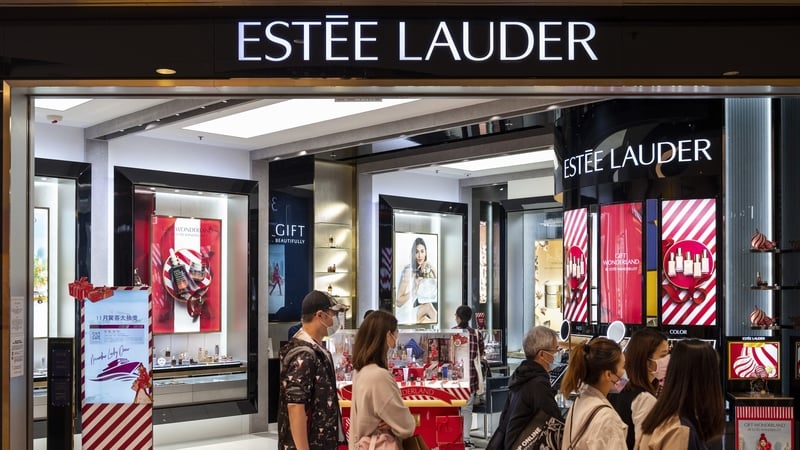
Estee Lauder is in talks regarding a potential business combination with Spanish beauty group Puig, the companies said, in a deal that would bring some of the world's biggest beauty and fragrance brands such as Tom Ford, Carolina Herrera, Rabanne and Clinique under one roof.
The deal would create a $40 billion luxury beauty group, and give the companies a strategic position in the global fragrance industry, which is facing a slowdown in demand after several years of strong post-pandemic growth.
The discussions between Estee and Barcelona-based Puig come just months after Gucci-owner Kering agreed to sell its beauty business to L'Oreal for $4.7 billion.
That deal gave L'Oreal control of Kering's fragrance line Creed - known for its $500-a-bottle Aventus fragrances - as well as long-term exclusive rights to develop products under Kering's fashion labels such as Bottega Veneta and Balenciaga.
This will further boost L'Oreal's blockbuster perfume portfolio, which includes the YSL, Armani, Prada and Valentino brands.
Part of the rationale behind merging Estee Lauder and Puig is that a combined company will better compete with L'Oreal, a source familiar with the deal told Reuters.
Shares of Estee Lauder, which has a market capitalisation of around $31 billion, fell sharply on the news, ending yesterday's session more than 7% lower.
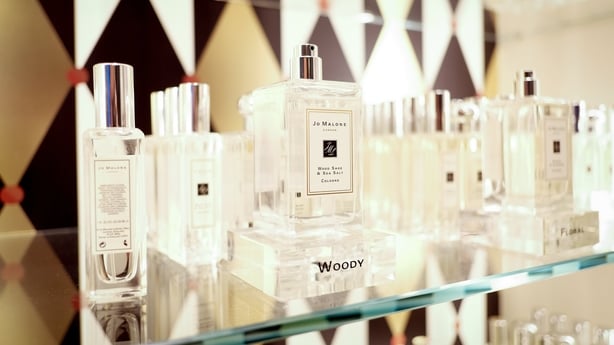
The company's portfolio includes Bobbi Brown cosmetics, La Mer skincare products and fragrance brands Le Labo, Jo Malone and Kilian Paris.
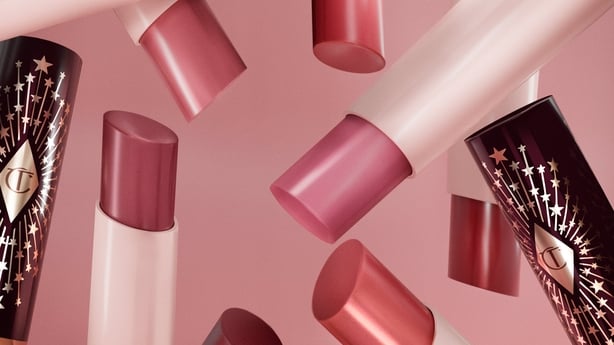
Puig, home to iconic perfume lines from Jean Paul Gaultier and Byredo, as well as cosmetics label Charlotte Tilbury, has a market value of over $10 billion.
The deal could help drive Estee Lauder's turnaround efforts as it battles sluggish US consumer spending. Last month, the company's annual outlook fell short of Wall Street estimates, as weak demand in the Americas eclipsed improving trends in China and Europe.
"A potential merger between Estée Lauder and Puig could shake up the beauty industry, but it could equally saddle Estée Lauder with more problems," said eMarketer analyst Rachel Wolff.
"A deal of this magnitude could complicate Estée Lauder's ability to innovate and keep pace with more nimble competitors," she added.
Puig last month reported slowing growth in fragrances, as sales normalized after the pandemic-era boost. That could also complicate Estee Lauder's growth plans, Wolff added.
The announcement comes amid an uptick in dealmaking in the beauty sector - Elf Beauty acquired Hailey Bieber's skincare brand Rhode last year, while Coty has launched a strategic review of its consumer beauty business, possibly leading to the sale of brands such as CoverGirl and Rimmel.
Estee Lauder and Puig have discussed a combination involving a mix of cash and stock, the Wall Street Journal reported, citing people familiar with the talks.
No agreement has been reached on the potential combination and there is no assurance regarding the deal or its terms, the companies said in their statements.
Fragrance focus
Fragrance, Estee's third-largest segment by revenue, has grown steadily thanks in part to Gen Z shoppers, who have made perfumes a staple in their wardrobes. In Estee's most recent quarterly results, the unit saw a 9% jump, while overall net sales rose 6%.
Estee, which has a long history of growing through acquisitions, had bought US fashion label Tom Ford for $2.8 billion in 2022, in its biggest deal so far. The company has also highlighted fragrance as a key growth driver in its turnaround.
"From a strategic standpoint, this deal makes sense. Estee Lauder has a big gap in its portfolio with fragrances relative to the likes of L'Oreal and LVMH and this combination would fill that gap," said RBC Capital Markets analyst Nik Modi.
Puig brings in more than 70% of its revenues from fragrances. The company, which had completed Spain's biggest initial public offering in nearly a decade in 2024, posted a 12% rise in 2025 net profit last month.
