


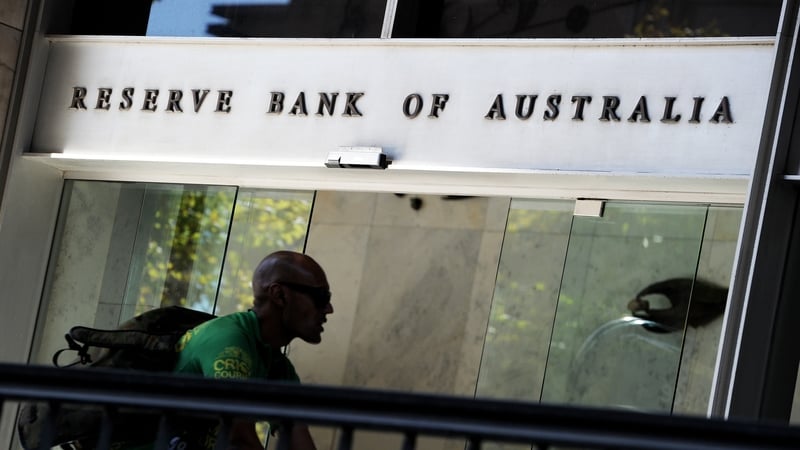
Australia's central bank has warned today that the conflict in the Middle East could lead to a severe international shock, though it believed domestic banks were well-placed to support the economy should a significant downturn occur.
The stark warning came as intensifying attacks across the Gulf sent oil prices surging anew, threatened to stoke inflation while chocking consumer demand.
Brent crude futures climbed above $110 today, up over $30 since the conflict began.
In its semi-annual Financial Stability Review, the Reserve Bank of Australia (RBA) cited a laundry list of global vulnerabilities, from a potential crash in financial markets, to cyber attacks and a proliferation of unconventional policies.
All this meant the risk of a material adverse shock to the domestic economy had increased over recent weeks, it said.
"The conflict in the Middle East could trigger a larger shock that destabilises the global economy, particularly if supply disruptions to oil and other commodity markets are prolonged," said the RBA in a 50-page document.
"Given leverage and concentration risk in key global asset markets had increased materially in recent years, amid a period of low risk premia, this increases the potential for a disorderly repricing of assets in response to further adverse developments," it said.
However, it noted that Australian households and businesses were in a strong financial position and were unlikely to be a source of systemic instability, even though some of them face higher interest rates and cost pressures.
The RBA hiked interest rates by 25 basis points to 4.1% on Tuesday in a tight vote, with the majority of board members wary of further inflationary pressures amid the Iran war.
Markets now imply around an evens chance the RBA will raise rates to 4.35% at its May meeting.
The RBA review saw plenty of reasons to be cautious on the global outlook. Persistent budget deficits in developed nations and a growing pile of sovereign debt left them vulnerable to a steep rise in yields should investors grow skittish.
There was a risk of a sharp sell off in AI-related investments should hoped for improvement in productivity not materialise, the RBA said
In a nod to unconventional economic and trade policies being followed in the US, it cautioned that confidence in institutional arrangements globally could be undermined.
"This could affect policy credibility, give rise to a new wave of regulatory arbitrage and present additional challenges for multilateral cooperation," said the RBA.
"In this environment, it is important that financial institutions continue to build both resilience to liquidity, operational and geopolitical shocks and maintain prudent lending standards," it added.
