


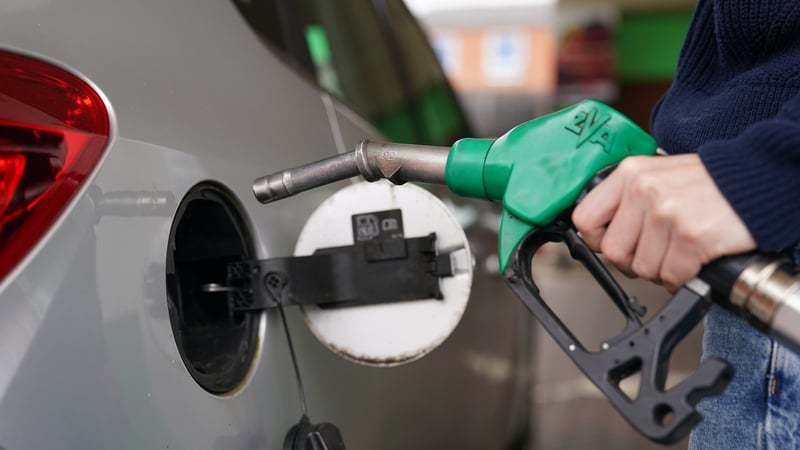
Austria's ruling coalition said today it will temporarily cut the tax on petrol and diesel and limit fuel retailers' margins to cushion consumers from soaring oil prices triggered by the Iran conflict.
Israeli and US military strikes on Iran, and Tehran's retaliation, including shipping disruptions in the Strait of Hormuz - through which about a fifth of global oil flows - have driven oil prices higher.
They have also sent governments scrambling for a response, including tapping strategic reserves.
"The aim is clear: we want to curb inflation on the one hand, stabilise fuel prices and ensure competitiveness," Chancellor Christian Stocker said at a news conference called by the leaders of the three ruling centrist parties.
"Interventions (in the market) are of course an exception but we are currently faced with an exceptional situation," he added.
Austria will return extra tax revenue from higher fuel prices to consumers by cutting the petrol tax, starting with a reduction of 5 euro cents per litre, coalition leaders said.
Legislation for the measures require parliamentary approval, expected by April 1, and they will last for the rest of the year, the government said.
"We are reducing the petroleum tax and introducing measures to limit margins across the entire value chain. These specific measures will bring the price of diesel and petrol down by around 10 cents per litre," Stocker said in a statement.
It was unclear how the margin cap would work, but Foreign Minister Beate Meinl-Reisinger said it would apply once margins exceed those "before the (Iran) crisis" by 50%.
