
The conflict in the Middle East has upended oil and gas prices, while it has also triggered severe issues in aviation, industrial supply chains, markets, and retail logistics.
This comes after a decade of major disruptors including Brexit, the global pandemic, the Suez Canal blockage and the war in Ukraine.
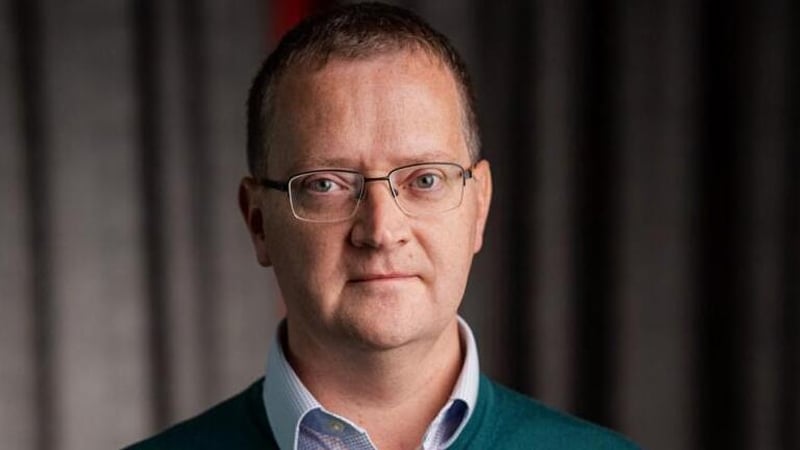
This is another "black swan event" according to Alan Holland, founder and CEO of Cork based company Keelvar that uses artificial intelligence to help suppliers engage with big businesses.
Speaking on RTE's Morning Ireland, he said conflict is "causing a lot of consternation across a diverse range of supply chains in quite a number of industries."
While the interruption to the supply of oil and gas is widely understood, the fallout impacts on a wide range businesses and industries.
As an expert in procurement and logistics, Mr Holland explained that around 20% of seaborne oil and liquid natural gas is trapped.
"This is causing problems in various industries, from the food sector to semiconductors, because much of what originates in that region goes into the production of products such as fertiliser, for example," said Mr Holland.
We need your consent to load this rte-player contentWe use rte-player to manage extra content that can set cookies on your device and collect data about your activity. Please review their details and accept them to load the content.Manage Preferences
"So, we could be looking at lower crop yields from Asia and Latin America this year, but we could also be looking at reduced production of helium gas, so even the production of semiconductors and what's required, helium gas for MRI machines could be in very short supply too," he added.
Following previous supply chain challenges such as the pandemic and Suez Canal blockage, Mr Holland said supply chains for these large businesses have become more dynamic.
"They're almost expecting these type of catastrophes," he said.
"They don't know what's going to happen next, many businesses have been leading into using AI to actually dynamically reorchestrate their supply chain."
Instead of turning to a desk of people to find alternative suppliers, Mr Holland pointed to how business are turning to AI agents to see what alternatives they can find and how they can reroute their products.
They are also using AI to find other suppliers to lean on when container ships are trapped, commented Mr Holland.
"There are others, other scarce capacity, but it's there and they're using AI to try and find it," he said.