
Hybrid working is now a baseline expectation rather than a perk, according to the latest Benefits Guide from recruitment firm Morgan McKinley.
The research studies how benefits are offered by employers, and how they are experienced and valued by employees across the Irish labour market.
The study found that hybrid working has shifted from being a differentiator to a baseline expectation, with almost one in three employees ranking it among their most important benefits.
Pensions, bonuses, and health insurance remain the most common benefits.
The study found that 68% of employees say benefits influence loyalty, but 38% believe their package is below market standards.
Younger and early-career employees are significantly less likely to report having access to pensions and health insurance, according to the research.
Just over 2% of employees reported having access to employer supported childcare.
Sectors including life sciences, financial services, technology, legal and telecommunications lead the market on the range of benefits offered to staff.
The research also highlights a disconnect between benefits employers say they offer and employees' lived experience.
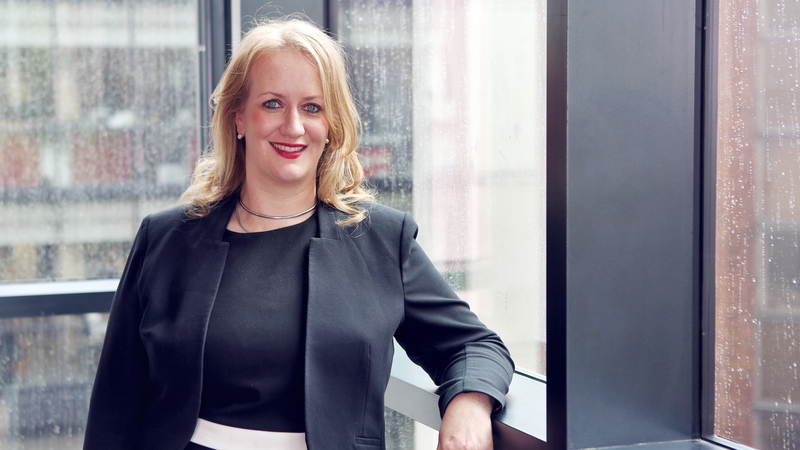
Trayc Keevans, Global FDI Director at Morgan McKinley, said this points to a clear communication challenge.
"Many employers believe they are offering competitive benefits, but a substantial share of employees do not experience those benefits in the same way," Ms Keevans said.
"That gap weakens the return on investment and should prompt organisations to look not only at what is on paper, but at eligibility, visibility, and take-up," she added.
The Benefits Guide draws on 1,222 employer and employee responses among Irish and multinational organisations representing 600,000 employees.