


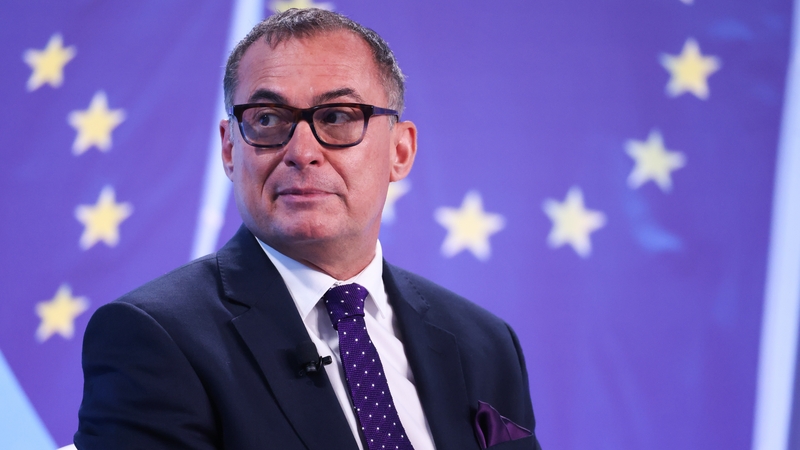
The European Central Bank will move quickly and decisively if more expensive fuel due to the Iran war feeds into durably higher euro zone inflation, ECB policymaker Joachim Nagel told Reuters today.
Investors have flirted with the idea that central banks could be forced back into tightening, briefly pricing two ECB hikes on Monday before trimming those bets after US President Donald Trump described the conflict as "very complete".
Nagel, who heads Germany's Bundesbank, said Trump's words offered "cause for hope" but the jump in energy prices had worsened the economic outlook and lifted inflation risks.
"We must be very vigilant," Nagel said. "If it becomes apparent that the current energy price increases will translate into broad consumer price inflation in the medium term, the Governing Council of the ECB will act decisively in a timely manner."
The ECB is expected to hold rates at its meeting next week and outline scenarios for growth and inflation should the conflict drag on. Money markets now assign a little over a 50% chance of a year‑end hike to the 2% policy rate.
Like many of his colleagues, Nagel said he backed "a wait-and-see approach" but the latest turmoil had likely ended recent debate about inflation undershooting the ECB 2% target.
"The discussions about falling short of our inflation target are likely to be over for the time being," Nagel said.
"At this point in time, however, it is still too early to reliably assess the medium- to long-term consequences given the volatile situation," he said.
The ECB was slow to react to an energy-fuelled inflation spike following Russia's invasion of Ukraine in 2022, which it had initially written off as transitory.
Inflation in the euro zone has since fallen and it has been hovering around 2% for over a year.
