


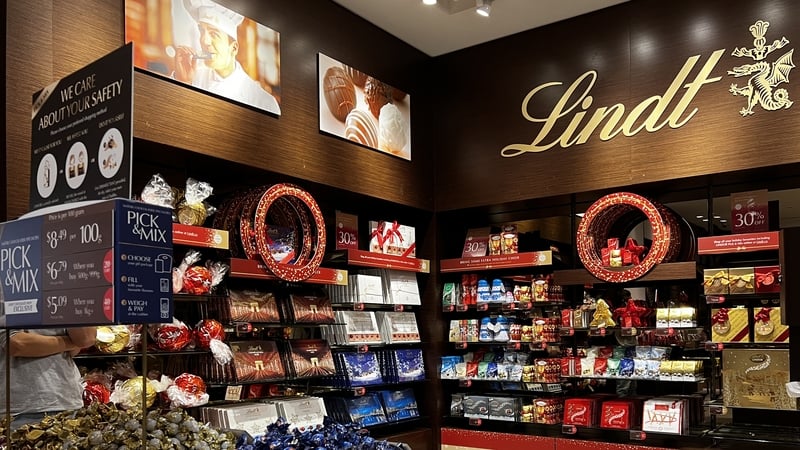
Swiss luxury chocolate maker Lindt & Spruengli has today cut its 2026 sales growth forecast, warning of a hit to consumer confidence and tourism from the Middle East conflict and sending its shares sharply lower.
"When the geopolitical tensions in the Middle East kicked in, we clearly saw consumers holding back," chief executive Adalbert Lechner told a press conference.
He also noted a hit to tourism - a particular problem for Lindt which sells many of its products at airports and in major tourist destinations such as London, Paris and Vienna.
The company said it expects organic growth - which excludes exchange rate moves - of 4% to 6% this year, down from its previous estimate of 6% to 8% for 2026 and beyond.
Lechner said Lindt would continue raising prices in the first half of this year, with a double-digit increase for Easter business. He added the company expected volumes to fall in the first half of 2026, before returning to growth in the second.
The company reported a roughly 10% rise in annual operating profit, beating analyst estimates, as it successfully passed on higher cocoa prices to customers.
Earnings before interest and taxes totalled 971 million Swiss francs ($1.25 billion) in 2025, compared with analysts' average forecast of 968.9 million francs, according to data compiled by LSEG.
Lindt had previously reported 2025 organic sales growth slightly ahead of expectations, up 12.4%, helped by a 19% hike in prices.
Lindt says weight-loss drugs users are eating more chocolate, not less
Chocolate sales are rising faster among US users of GLP-1 weight-loss drugs than in the rest of the population, the Swiss chocolatier also said today, citing data that defied forecasts the drugs would reduce confectionery demand.
The company said an internal study, based on February data from market researcher Circana, found 15% of US households use GLP-1s, representing 17.5% of chocolate sales.
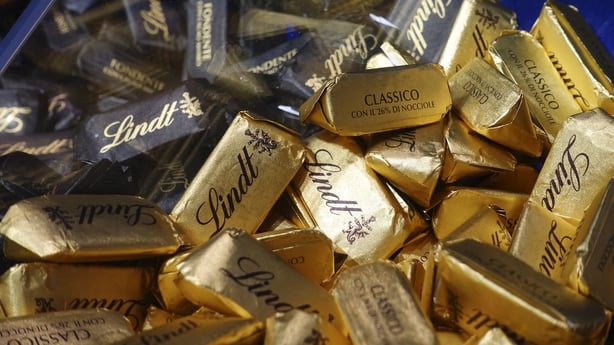
GLP-1s include weight-loss drugs such as Novo Nordisk'sOzempic and Eli Lilly's Mounjaro.
Consumers cutting back on high-calorie intake categories, such as pasta, pizza and potato chips, are still looking for some kind of indulgence, chief executive Adalbert Lechner told a news conference today.
"They are upgrading to premium products. Less is more - small rewards with moment of bliss rather than mindless munching," said Lechner.
Lindt, which makes chocolate Easter bunnies, said US sales of premium chocolate increased among GLP-1 users by nearly 17% in 2025, compared to a 6.5% rise among non-GLP-1 users.
Analysts at Berenberg had expected the introduction of oral GLP-1 weight-loss drugs to have an adverse effect on the food industry, particularly confectionery, over the next few years.
They anticipated a drag on sales volumes of 0.9 percentage point for Lindt in 2027.
Lechner added that he does not see GLP-1 drugs as a threat to future business. He expects regulatory approvals in Europe, which are anticipated soon, to have a similar impact on consumer behaviour as in the U.S.
GLP-1 pills are predicted to expand the use of the drugs to patients beyond the users of injectables, including more men and younger patients, as the oral drugs are projected to provide less drastic weight loss than their injectable counterparts.
