
It has been a week since the US and Israel began air strikes on Iran, prompting retaliation from Tehran and a spike in energy prices. RTÉ's Economics and Public Affairs Editor David Murphy assesses how Irish consumers are feeling the financial impact.
1. Petrol and diesel
Last month, the average price for diesel was €1.72 and petrol was €1.73, according to the AA. Many stations are now charging more, with some selling unleaded for €1.80 and diesel for €1.90.
The wholesale price of oil has shot up this week from $72 a barrel to above $91. The longer that oil costs are elevated, the more we can expect increased fuel prices at the pumps.
However, they are still far below the peak reached when Russia invaded Ukraine in 2022.
Conor Faughnan, an independent motoring expert with Carzone, says there is usually a 10 day to two-week time lag before a wholesale price increase materialises at the pumps.
"But the difference is we have seen an immediate rise this time around. Prices rose within 24 hours of the outbreak of war."
It's possible there was a price increase on the way anyway," he adds.
The price of oil was just over $60 a barrel at the beginning of the year and rose to $70 last month - well before the conflict kicked off.
2. Home heating oil
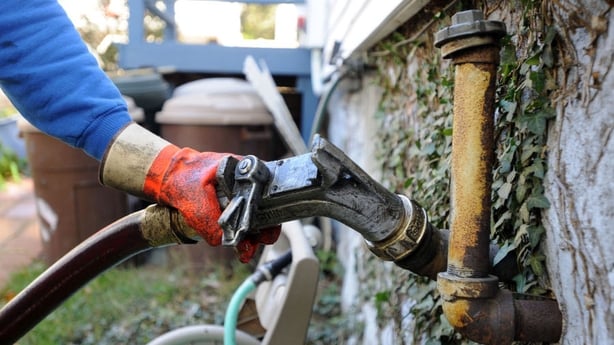
A much more dramatic increase happened in the home heating oil market this week.
According to price comparison website oilprice.ie the cost of 500 litres of home heating oil was below €500 this year - until last week.
From Monday 2 March, immediately after the conflict began, the average price increased rapidly and reached €833 yesterday.
This has sparked a political outcry. The Minister for Enterprise Peter Burke has ordered the Competition and Consumer Protection Commission to investigate the issue.
Industry lobby group Fuels for Ireland has rejected claims it is price gouging.
There are a few things happening here at once - oil was going up anyway, but the Middle East conflict resulted in a price spike.
As tensions rose, refining companies put up their prices. Then consumers worldwide scrambled to buy home heating oil, concerned about reduced supply, resulting in a surge in demand.
All of this has resulted in a jump in prices.
It will be interesting to see if the investigation produces hard evidence of price gouging.
3. Gas prices
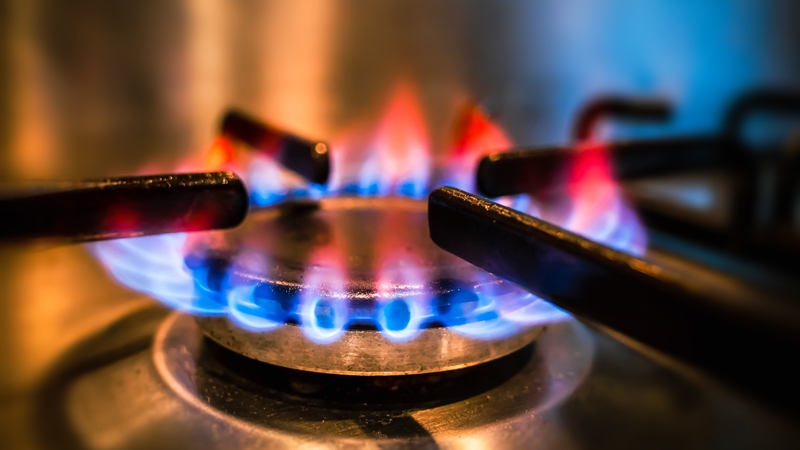
Natural gas in Europe on wholesale markets rose rapidly this week from a future price of just over €30 per megawatt hour to more than €50 on Friday.
Suppliers in Ireland book deliveries about 12 to 18 months in advance at fixed prices.
According to the EU's statistical agency Eurostat, Irish retail gas prices are the third most expensive in the EU.
"Irish retail prices for natural gas surged following Russia’s invasion of Ukraine, but haven't fallen back in line with European wholesale prices," according to Bank of Ireland chief economist Conall MacCoille.
Irish electricity prices directly track the price of gas because just under one third of power was generated by gas in 2024. So, an increase in prices could affect electricity too, but it may be some time before any impact, if at all.
4. Inflation and interest rates
Fuel costs feed through to almost everything we buy from groceries distributed by hauliers to prices charged in cafes and restaurants as business owners pass on higher bills to customers.
In other words, fuel cost increases can put up the cost of living.
This is exactly what happened four years ago when Russia invaded Ukraine: surging energy prices caused a spike in inflation.
One key way to pause rising prices is to increase interest rates. Between late 2022 and late 2023, the European Central Bank raised interest rates from 0% to 4% (they are now 2%).
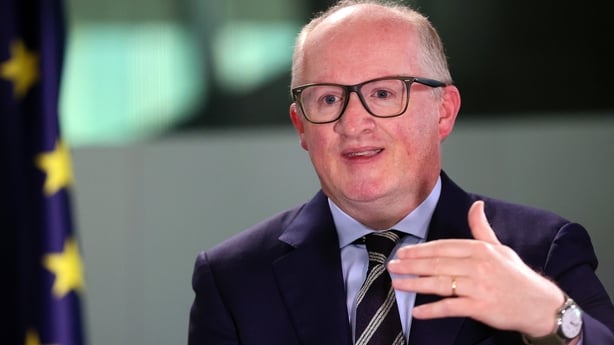
This week the ECB's chief economist Philip Lane told the Financial Times a drop in Middle East fuel supplies could cause a "substantial spike" in inflation.
In the euro zone, inflation is now 1.9%, just below the ECB’s target rate of 2%. If there was a sustained surge in the cost of living, the ECB would increase interest rates.
5. Government and energy credits
The rise in fuel costs comes as the Fianna Fáil, Fine Gael and Independent Coalition phased out energy credits in the Budget this year.
In previous years they amounted to €600 per household for 2023, and €250 for both 2024 and 2025.
The credits were criticised as both expensive for the Exchequer and untargeted because they helped the wealthy as well as the less affluent.
While the Coalition extended the fuel allowance, as announced in the Budget, it is already facing opposition calls to do more.
Minister for Public Expenditure Jack Chambers has ruled out providing short term relief to households and businesses.
For consumers and the Government, everything now depends on the length and severity of the conflict in the Middle East and the impact on fuel prices over the coming weeks and months.