


Barclays increased its profit by 12% in 2025 and today raised its performance targets as the British bank looks to improve returns by focusing on its core US and UK markets and using technology such as AI to cut costs.
Profit before tax for 2025 of £9.1 billion was up from £8.1 billion the year before and broadly in line with an average of analysts' forecasts.
Barclays also said it now expects to make a return on tangible equity of greater than 14% by 2028, up from previous guidance of greater than 12% in 2026.
Like many European banks, Barclays has enjoyed rising profits and a share price that has soared towards highs not seen since the aftermath of the financial crisis.
A favourable interest rate environment and more supportive economic backdrop have enabled banks to finally put nearly two decades of post-2008 crisis restructuring behind them.
Barclays CEO CS Venkatakrishnan said the bank's aim was "to secure sustainably higher returns", with a focus on profitability and returning more than £15 billion of capital to shareholders between 2026 and 2028.
Barclays will harness artificial intelligence to increase productivity and efficiency, for example by designing better and faster products, Venkat said, without giving details on how much the bank will cut jobs as a result of such changes.
The results and new targets were overall somewhat muted, analysts at Citi said, with investors likely to be sceptical about its ambition to grow revenue from its US consumer bank in particular, given heavy competition from domestic incumbents.
Barclays said income at its investment bank rose 11% to £13 billion in 2025, as its Global Markets trading business grew revenue 15% amid volatile markets.
However, investment banking fees fell 2%, undershooting double-digit gains from Wall Street rivals after missing out on key transactions, a problem previously flagged by the CEO.
London-based Barclays also announced £1 billion in share buybacks and a 5.6 pence per share final dividend, taking total capital distribution for 2025 to £3.7 billion, in line with analysts' expectations for £3.8 billion.
Barclays follows rival Lloyds in setting out more ambitious profit guidance, as British banks benefit from higher rates, a more favourable regulatory and economic environment and the cost-saving potential of technology.
NatWest, which reports earnings on Friday, and HSBC on February 25 are expected to announce more ambitious targets, Reuters reported last month.
UK banks are looking for ways to increase fee-based income from areas like wealth management to offset an expected drop in interest income as rates fall.
NatWest yesterday announced its largest acquisition since the financial crisis with a £2.7 billion deal, including debt, to buy one of Britain's biggest wealth managers, Evelyn Partners.
Barclays had been among the bidders, Reuters reported.
Barclays boosts CEO's pay to more than £15m
Barclays increased chief executive CS Venkatakrishnan's pay package to £15m in 2025, up from £11.6m the year before, as the British bank became the latest lender to increase bonus payouts for top staff.
While Barclays cut fixed pay for the CEO known internally as Venkat, the lender said today it had boosted his variable pay including bonuses to £12.8m from £8.5m in 2024.
The bank's total bonus pool for staff rose 15% to £2.2 billion, Barclays said as it reported financial results for 2025.
Barclays is among the many European lenders enjoying soaring profits and share prices that are nearing 18-year highs, allowing bank executives to rake in more in bonuses as they hit key performance targets, with the years of post-financial crisis restructuring and weak profitability finally left behind.
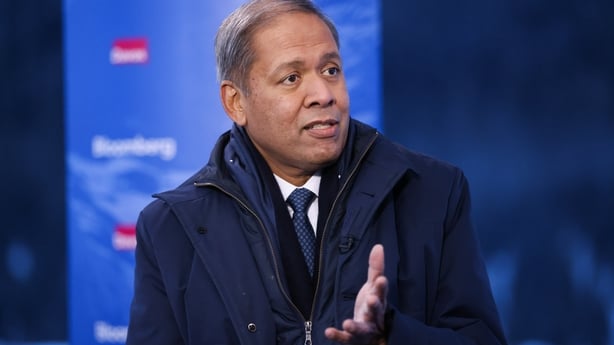
Venkat's pay has not reached the highs of some of his predecessors, however. Former CEO Bob Diamond took home total pay, shares and benefits worth £17m in 2011.
But the bumper package for Venkat shows the bank is starting to close the gulf in senior executive pay that has developed since the 2008 crisis between British banks and Wall Street rivals, which the former have said makes it harder for them to recruit and retain top talent.
US banks still pay much more than European rivals, with JPMorgan CEO Jamie Dimon making $43m in 2025, for example.
The increase in Venkat's payout was partly related to the executive and the lender hitting performance targets, and also due to changes in Britain around how much banks can pay senior staff.
Britain has steadily relaxed or cut rules inherited from the European Union that controlled bankers' bonuses, scrapping a cap on payouts in 2023 and last October allowing them to be paid sooner.
Executive pay at Barclays' rivals such as Lloyds and HSBC should be published over the coming weeks.
