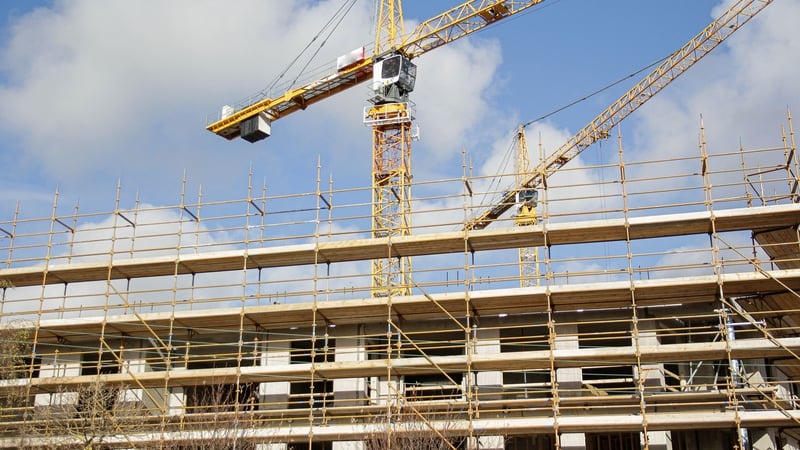

Activity in the construction sector continued to decrease in January, the ninth month of falls in a row, according to the latest Purchasing Managers' Index from AIB.
The survey indicated that activity in the sector remained muted at the start of the year, despite "a solid and accelerated" increase in new orders.
AIB said the growth of new business encouraged companies to expand their employment, purchasing activity and use of sub-contractors.
The headline seasonally adjusted Construction Total Activity Index posted below the 50 no-change mark again last month, for the ninth consecutive month.
The reading was 48.6 in January, up marginally from 48.4 in December.
Some firms reported that project start dates had been put back, limiting activity.
AIB Senior Economist John Fahey said the January reading was "a marginal improvement" compared to December, which he said indicates "a less indicating a less severe pace of contraction" as 2026 got underway.
He said the weakness in activity "remained broad-based in January, with all three sub-sectors registering contraction".
Mr Fahey said commercial was the best-performing of the three monitored categories in January.
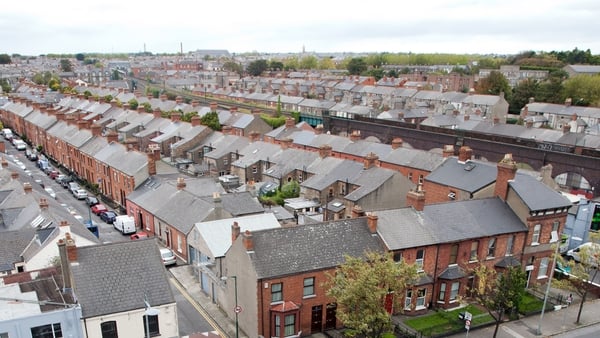
"The pace of decline in this sector eased for a second consecutive month. Meanwhile, the residential sector extended its current period of contraction to nine months, with the pace of decline worsening compared to the previous month," he added.
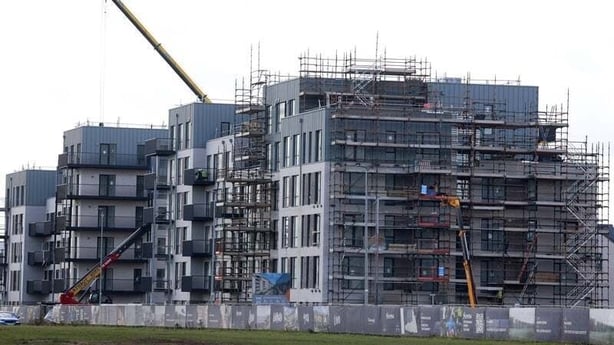
He said civil engineering "remained the weakest of the three sub-sectors, albeit the rate of contraction eased slightly".
The latest fall in total activity was recorded despite what AIB said was "a solid and accelerated increase in new orders".
The report said growth of new orders helped feed through to further increases in purchasing activity and in employment, as staffing levels rose for the third consecutive month.
John Fahey said the new orders index, which is regarded as a leading indicator, recorded expansion for the second successive month, "with the pace of growth improving to its fastest rate since March of last year".
He said there was also a further increase in staffing levels in the sector, "with the current period of job creation extending to three months".
The data shows that constructors also upped their usage of sub-contractors in January, for the second successive month.
"In turn, sub-contractor availability decreased at the fastest pace since August last year and the rates they charged increased rapidly."
As well as seeing a sharp increase in sub-contractor charges, firms also posted a marked rise in input costs, faster than that seen in December.
AIB said copper was a key item mentioned as having risen in price over the month.
They survey also found that suppliers' delivery times lengthened again in January.
Respondents noted delays waiting for materials to become available and a shortage of couriers.
In terms of the outlook, the Construction PMI noted that business confidence hit a one-year high at the start of 2026 as "optimism strengthened for the second month running."
Over 34% of respondents predicted a rise in construction activity over the coming year, while 10% were pessimistic about future business.
According to the survey, firms anticipate being busier over the course of 2026, with some noting that more tenders were becoming available.