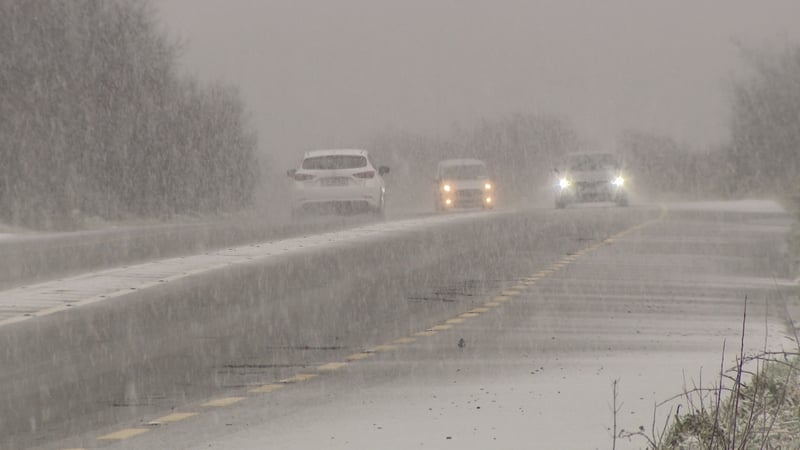

The Unite trade union is calling for new laws to protect workers from the effects of extreme weather.
Among the measures being sought is a legal obligation on employers to implement graduated alert-based responses, with non-essential outdoor work ceasing during orange/amber alerts and all non-essential work ceasing during red alerts.
Unite is also seeking paid "climate leave", if extreme weather makes it impossible to travel to work, maximum temperatures at which work must cease, and legal recognition of temperature-related illnesses as occupational diseases as recommended by the International Labour Organisation.
"Workers are literally in the eye of the storm, and we urgently need specific legislation and regulations to protect workers from the impacts of extreme weather events," said Unite General Secretary Sharon Graham.
"Workers must not pay the price for a climate crisis not of their making," Ms Graham said.
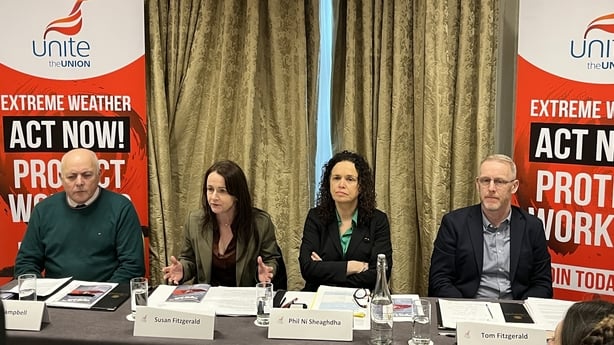
Unite today published a policy toolkit titled "In the Eye of the Storm" which includes a summary of responses to a survey of Unite members together with a set of proposals designed to protect workers' health.
In 2018, Unite member Matthew Campbell was killed while working outdoors during Storm Ali.
The electrical engineer died after being struck by a tree at Slieve Gullion Forest Park outside Newry.
Matthew's father Mark was among the speakers at today's launch.
"During Storm Ali, our 24-year-old son Matthew was killed by a tree which blew down, crushing him while working," Mr Campbell said.
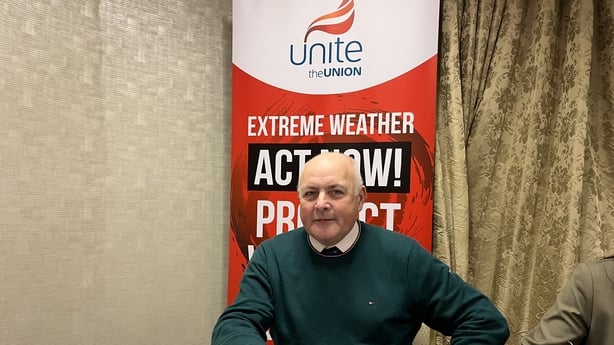
"We all know weather events are getting more severe and more frequent. Legislation needs to be updated to protect workers, and we need a consistent approach to this north and south," he added.
INMO General Secretary and Irish Congress of Trade Unions president Phil Ní Sheaghdha said many workers cannot work from home when bad weather strikes.
"All employers must be compelled to prioritise staff safety and ensure that workers do not pay the price, financially or in terms of their wellbeing, for extreme weather events," Ms Ní Sheaghdha said.
We need your consent to load this rte-player contentWe use rte-player to manage extra content that can set cookies on your device and collect data about your activity. Please review their details and accept them to load the content.Manage Preferences
The Department of Enterprise said while there are no plans at present to introduce paid leave for extreme weather events, the Workplace Relations Commission (WRC) provides guidance on employer and employee rights and responsibilities during severe weather.
"Officials of the Department of Enterprise, Tourism and Employment met with Unite last year to discuss their proposals and have offered to facilitate further engagement between Unite and the Health and Safety Authority to discuss how to further enhance and amplify messaging regarding extreme weather risks in the workplace," a spokesperson said.