


Global airlines have renewed an agreement with French-US engine maker CFM International to guarantee competition in the market for engine maintenance and repairs, the International Air Transport Association said today.
The decision to double the term of an earlier seven-year agreement by extending it to February 2033 coincides with an industry shortage of parts and maintenance capacity that airlines say added almost $6 billion to their costs last year.
IATA Director General Willie Walsh said the agreement would provide some relief from ongoing failures in the aerospace supply chain and help airlines to meet consumer demand.
"Airlines have long struggled with the aftermarket business practices of manufacturers, which have limited competition and resulted in high costs for airlines," Walsh said in a statement.
"These pressures have become even more acute as limited maintenance capacity and aerospace supply chain constraints have driven up costs and grounded aircraft."
CFM said it was committed to a competitive aftermarket.
"Despite the challenges of recent years - particularly those related to supply chain constraints - CFM places customers at the heart of its DNA," said President Gael Meheust.
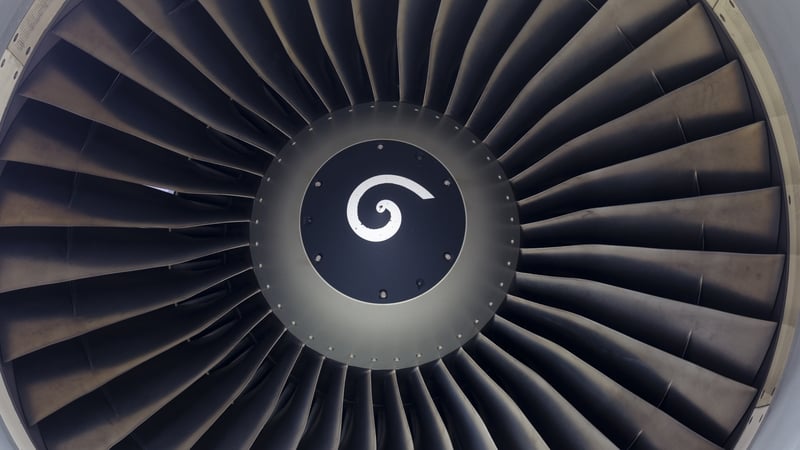
Owned by GE Aerospace and France's Safran, CFM is the world's largest engine maker by units sold. Its engines power all Boeing 737s and compete with Pratt & Whitney on the Airbus A320 family.
Engine supply squeeze
The global engine industry is in the midst of a historic squeeze on supplies because of labour shortages, production snags and greater than expected wear and tear on recent engines, which has resulted in maintenance plants becoming overloaded.
IATA last year said its airline members would be forced to pay an estimated $3.1 billion in extra maintenance and $2.6 billion in leasing additional spare engines during 2025.
The jet engine crisis is disrupting airline operations worldwide as carriers struggle to meet passenger demand and unlock the promised 15% fuel savings offered by new aircraft.
In turn, that has provoked a tug of war for parts between the repair shops needed to keep existing fleets active and planemakers that need more engines to feed their assembly lines.
In 2024, CFM was forced to juggle supplies between the aftermarket and new plane production. Industry tensions flared again last week when Airbus challenged Pratt & Whitney over its production plans. The engine maker has declined to comment.
