



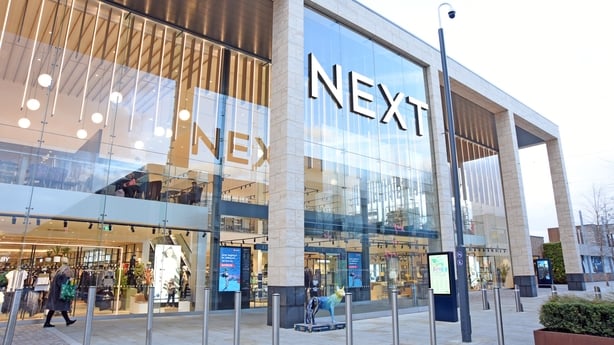
Fashion retailer Next has today edged its annual profit forecast higher for the fifth time in a year as it reported a better-than-expected 10.6% rise in full-price Christmas sales, sending its shares higher.
Subdued consumer confidence in Britain ahead of Christmas coupled with unseasonably mild weather had left analysts nervous about clothing retailers' festive trading prospects.
However, Next defied the gloom, reporting a 5.9% rise in UK sales in the nine weeks to December 27. It said it benefited from higher stock levels than the previous year, when supplier deliveries were delayed by disruption in Bangladesh and global freight networks.
International sales for Next, which has an online presence in more than 70 countries, jumped 38.3%, reflecting a higher-than-expected increase in marketing expenditure and improved stock availability.
Shares of Next, which has more than 800 stores in Ireland and the UK, including Reiss, Joules and FatFace outlets, surged 3.1%, extending gains over the last year to 47%.
Shares in rival Marks & Spencer, which is due to update on trading on Thursday, were down 1.4%.
Led by CEO Simon Wolfson, Next said it now expected to report pretax profit of £1.15 billion for the year to January 31, up from previous guidance of £1.135 billion and £1.011 billion made in 2024/25 when it breached the £1 billion mark for the first time.
The retailer, however, cautioned that it expects full-price sales and profit growth to slow to 4.5% in its 2026/27 year.
It said its UK business will face tough comparative numbers, while continuing pressures on employment will likely filter through into the consumer economy as the year progresses.
Official data published last month showed Britain's unemployment rate hit its highest since the start of 2021.
"While we expect the excellent Next to continue to do better than most, this tough backdrop may make future upgrades harder to come by," Shore Capital analyst David Hughes said.
Next also expects growth from its overseas direct websites to moderate from the exceptional levels of the 2025/26 year.
