
Food prices are finishing the year as they started it ... rising steadily.
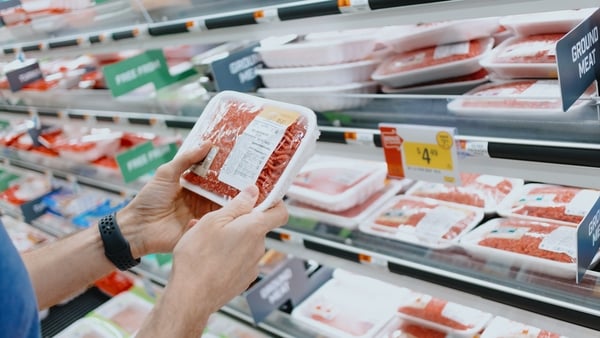
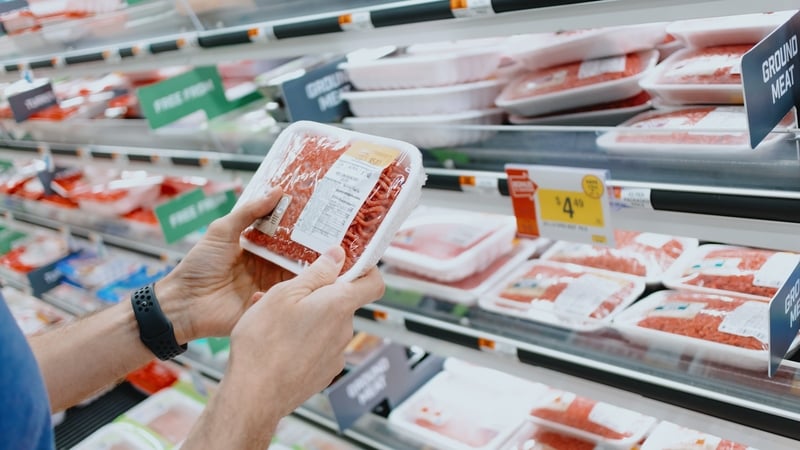
The overall 4.3% increase in the year to November is not being experienced across all food groups though, with massive jumps in particular items fuelling the inflation.
Take beef for example, which has seen a massive 24% increase.
Other common items such as butter (+10.2%), chocolate (+11.5%), and coffee (+12.4%) have all experienced double-digit hikes in the past year.
These price rises follow a similar level of increases in previous years.
As the rising cost of living continues to bite, many will be wondering whether a similar same trend can be expected for 2026.
There are a few key factors that will likely decide that.
Cost of doing business
Inflation has not been confined to food production, with all areas of the economy experiencing considerable price rises.
This has had a major knock-on effect on costs across the food-supply chain.
Energy costs have driven these increases.
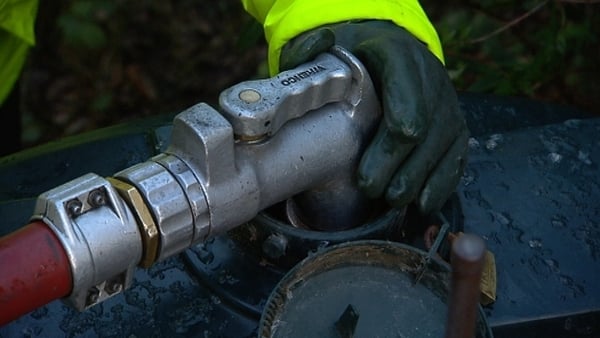
For example, average energy tariffs have jumped by 69% (electricity) and 102% (gas) since the beginning of 2021.
Such spikes can not be fully absorbed by retailers, and they have been passed onto shoppers to some degree in the form of more expensive food items.
Global instability has played a big role in this and there are no obvious signs of things settling down to any great degree in the near term.
Outside of energy, other big business expenses such as labour and insurance are also higher - with upward wage pressure expected to continue into next year.
Farmers are also warning that increased regulation ensuring they produce food in as environmentally sustainable way as possible is adding to the cost of production and this will ultimately have to be factored into supply-chain costs.
So while general inflation is not likely to be as relentless as in recent years, we can still expect it to be a factor for food shoppers in 2026.
Competition
In October all of the major supermarkets lowered the price of their own-brand milk products, leading to hope that the moves could have been the opening shots of a price war among the retailers.
That has not really materialised since though, and the reductions were more down to stronger global milk supplies driving prices lower than supermarkets trying to undercut each other.
However, at the very least it was reassuring to see any savings been passed on to consumers, and healthy competition in the Irish market should ensure such drops in farm-gate costs are reflected in food prices in shops.
Indeed, only in the last week the Musgrave group - which owns the SuperValu and Centra brands - announced price cuts of up to 15% across its own-brand butter ranges. Aldi also announced a cut in its butter prices.
So, consumers are seeing the benefit of sustained lower milk prices.

Such drops in food costs for retailers are realistically the only major path to lower prices at the checkout, with other input costs only likely to rise.
Industry figures suggest shoppers are making more frequent trips to supermarkets and that they're spreading their spend across retailers.
This trend suggests the big brands are in a fight for customers, and the biggest weapon in such a situation is price.
So, all things considered, competition should keep a lid on major price hikes next year - with the odd price cut to be expected too.
Agri-Food Regulator
Direct policy interventions in the grocery retail sector are unlikely, but one interesting development in recent times has been the decision to grant the Agri-Food Regulator increased powers to compel businesses to provide relevant market data to help it improve transparency across agri-food supply chains.
The Agri-Food Regulator was established two years ago with the aim of providing additional insights into price and market analysis across agri-food sectors.
The changes will allow the independent State body to compel agri-food businesses to provide it with data around pricing, supply chains, and salaries.
It is hoped any improved transparency arising from the additional powers will stop any unfair trading practices and improve business relationships between farmers, processors, and the powerful multiples who buy their produce.
The regulator is looking to strengthen the position of smaller businesses in particular, as well as improve competition across the agri-food sector.
The hope is better competition will ultimately benefit the consumer.
This is a welcome step but it's certainly not a silver bullet, and it will take time for the work of a beefed-up Agri-Food Regulator to trickle through the supply chain.
A changing climate
Ireland is not feeling the effects of climate change to anywhere near the same extent as parts of the developing world, but that is not to say we are not seeing an impact here.
A significant chunk of the world's cocoa and coffee harvests were lost this year as a result of more severe weather events, such as intense flooding and prolonged droughts.
This was reflected in the double-digit percentage-point hikes in the two products on Irish supermarket shelves.
While closer to home, the changing climate is starting to affected things like grass and crop growth, as well as livestock productivity.
It is inevitable that sooner or later this will start to result in lower output and poorer yields, which will disrupt supply and push prices up - especially across fresh-food groups.
A changing climate might not be a huge factor in terms of food production for Ireland in 2026 but it is definitely one that needs to be considered more and more.