
Geopolitical volatility has become one of the top risks facing companies in Ireland - as well as those in Europe and around the world - for the first time, according to a new survey.
Aon's Global Risk Management Survey - which is carried out every two years - gauges the concerns of executives and business leaders in a range of sectors.
Its latest report shows geopolitical volatility rising 21 places, to reach the top ten risks for the first time.
"It's the first time in 20 years that this has even gotten into the top ten of risks that have been identified," said Rachael Ingle, CEO of Aon Ireland. "So things have absolutely changed over the last period of time."
The issue was the eight highest risk cited by Irish executives - lower than the European average.
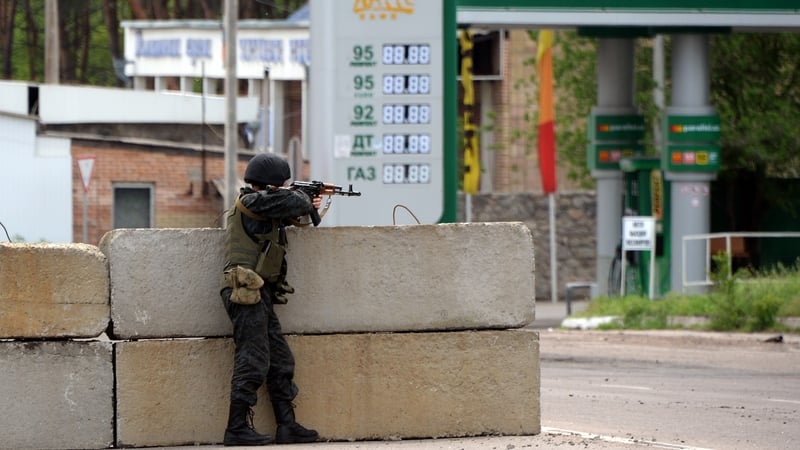
This, Ms Ingle said, is likely down to the fact that Ireland is more geographically isolated from ongoing conflicts like the Russia-Ukraine war.
However the report shows that many Irish firms are being affected by this volatility nonetheless, with 44% saying it was having a financial impact.
"A local example would be supply chain disruption," said Ms Ingle. "The Ukraine war affected Irish retailers and manufacturers and what that did was led to shortages and cost increases as well.
"So it's a real risk... it's number five in Europe and number eight in Ireland, and looking forward it's number two in the next three years."
We need your consent to load this rte-player contentWe use rte-player to manage extra content that can set cookies on your device and collect data about your activity. Please review their details and accept them to load the content.Manage Preferences
Cyber attacks and data breaches remain the top risk on the agenda of companies, though. The report also highlights the impact artificial intelligence is having in this area, with a reported 53% rise in attempted social engineering incidents in the past year.
There have been a number of high profile cyber attacks in recent months - in Ireland and internationally - which have served to highlight how much of a problem this has become.
"We've seen cyber incidents in Ireland in the aviation sector, M&S has a had a huge cyber attack recently," she said. "It's not just that they disrupt essential services and public confidence but they have financial impact on organisations as well.
"Cyber is number one across the world."
Meanwhile weather and natural disasters ranked ninth in the list of current risks facing Irish firms.
Coming on the back of Storm Bram, with the likes of Storm Eowyn earlier this year also causing significant disruption, Ms Ingle said this is an area that is creating significant, regular disruption to firms here.
"We don't know why the Luas stopped but it could have been because of the storm," she said. "It impacted on power, it impacted on employees sitting at Luas stop stations, it impacted on firms not having the productivity, and it will impact on finance.
"So the interconnectivity of all of these risks is something that we are really doubling down on and talking to our clients about."
Despite the growing spectrum of risks facing firms in Ireland and abroad, the Aon report also found that many companies did not have adequate planning in place to mitigate potential disruption.
Ms Ingle said this report should prompt firms to take a closer look at how they operate.
"[They should ask] how are we talking to our boards and executives around the risks that are being identified," she said. "They should be thinking about risk not just as a compliance tool but also a strategic tool to help them grow their business.
"Thirdly, they need to make better use of data and analytics to actually inform how they manage their risks holistically so they can be resilient for the future."