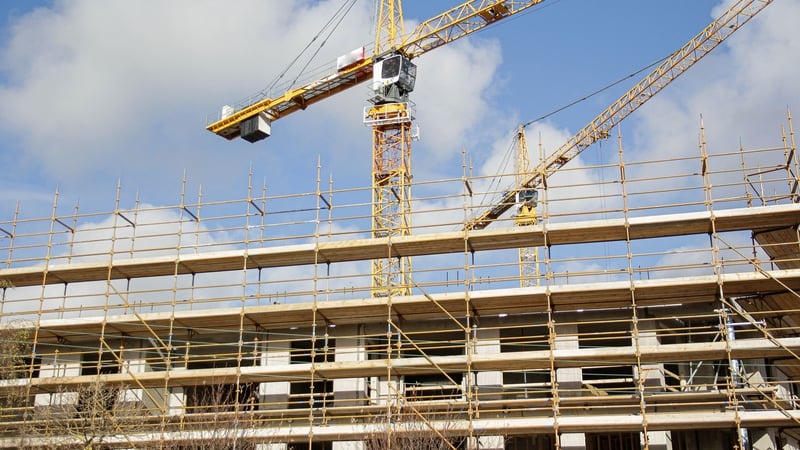

Activity in the construction sector continued to decrease in November, for the seventh month in a row, according to the latest Purchasing Managers' Index from AIB.
The survey said new orders continued to fall, amid further signs of demand weakness in the construction industry.
The headline seasonally adjusted Construction Total Activity Index moved further below the 50 no-change mark last month, dropping to 46.7 from 48.1 in October.
AIB said anecdotal evidence pointed to slowing demand and a drop in new orders, which it said meant that volumes of new projects were insufficient to fully replace completed contracts.
The Construction PMI recorded a fall in activity across all three monitored categories in November as commercial registering "a renewed and solid decline in activity."
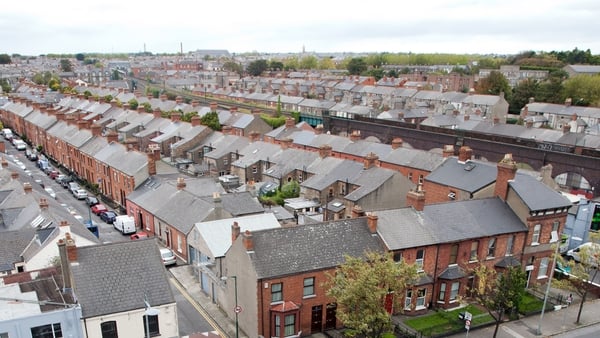
Work on housing projects fell for the seventh consecutive month, but at the slowest pace since June.
Civil engineering posted the sharpest decline, as the rate of contraction accelerated from October.
The report said new orders decreased for the fourth consecutive month "as companies reported weak demand and project delays."
AIB's Senior Economist John Fahey said the Construction PMI survey for November "points to a renewed loss of momentum in building activity levels midway through the fourth quarter."
He said the index has now been below the key breakeven level of 50 for seven consecutive months.
Mr Fahey said the sectoral breakdown showed that "the weakness in activity levels in November was broad-based across the three sub-sectors."
"Commercial construction fell back into contractionary territory in November, having seen a modest pace of expansion in October," he said.
"The downturn in residential building persisted, with activity levels declining for the seventh successive month. However, the pace of contraction eased in November," he added.
"Civil engineering also posted a seventh straight month of contraction, with the pace of decline worsening, resulting in it being the weakest performing sub-sector," he said.
Although construction activity and new orders decreased in November, firms were optimistic for growth over the coming year.
Mr Fahey said there was some "encouraging news" in terms of staffing levels.
"Despite falling building activity, the sector saw an expansion in employment, following declines in the previous two months.
"Construction firms also retained a positive outlook on the prospect of increased activity levels over the coming 12 months, albeit the degree of optimism did ease marginally compared to October," he added.
The report also noted that firms continued to lower their usage of sub-contractors, and their availability also declined again.