


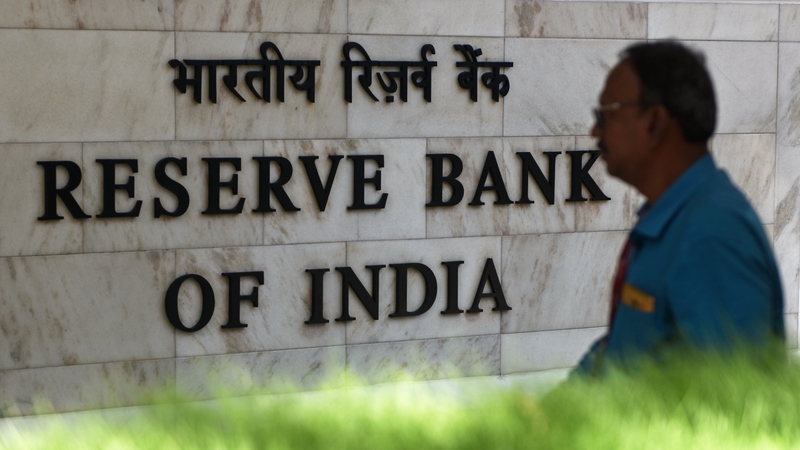
The Reserve Bank of India (RBI) cut its key repo rate by 25 basis points today and left the door open for further easing as it took steps to boost banking-sector liquidity by up to $16 billion to support a "goldilocks" economy.
The world's fifth-largest economy is under pressure from punitive tariffs imposed by US President Donald Trump, widening its trade deficit and pushing its currency to a record low.
Global headwinds have prompted Indian Prime Minister Narendra Modi's administration to step up domestic economic reforms, including paring consumer taxes, changing labour rules and easing financial sector regulations.
The RBI's six-member monetary policy committee voted unanimously to lower the repo rate to 5.25%, in line with a consensus view, and maintained a "neutral" stance, suggesting room for further rate cuts.
The central bank has now cut rates by a total of 125 basis points since February 2025, the most aggressive easing since 2019. It held rates in August and October.
The Indian economy is facing a "rare goldilocks" period, RBI Governor Sanjay Malhotra said in a video address.
Since October, India's economy has experienced rapid disinflation leading to a breach of the central bank's lower threshold of tolerance, said Malhotra, adding that growth has remained strong.
Given these macroeconomic conditions, "policy space" exists to support growth, he added.
Garima Kapoor, economist at Mumbai-based Elara Securities, expects another rate cut, noting "there are no signs of overheating in the economy."
"We believe that there would be scope for another 25 basis points cut this cycle as inflation is expected to remain benign," he said.
The RBI also decided to conduct open market operations of 1 trillion rupees ($11.14 billion) to buy bonds this month, and another $5 billion in forex swaps to add liquidity to the banking system and speed up transmission of lower rates.
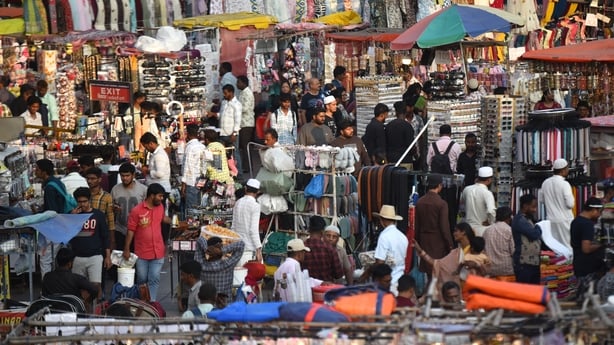
The central bank raised its GDP forecast for the current year to 7.3% from its previous estimate of 6.8% while the inflation projection was lowered to 2% compared to 2.6% in October.
The South Asian economy expanded at a sharper-than-expected clip of 8.2% in the July-September quarter but growth is expected to slow as the full impact of up to 50% tariffs imposed by the US hit exports and sectors from textiles to chemicals.
External uncertainties could pose "downside risks" to growth, Malhotra said.
On the other hand, retail inflation stood at an all-time low of 0.25% in October and is expected to remain soft in coming months. The central bank targets inflation at 4%, within a tolerance band of 2% on either side.
"Underlying inflation pressures are even lower", Malhotra said, pointing to a "generalised" decline in price pressures.
"With RBI continuing to leave room open for further easing, we do not rule out another 25-basis-point cut, with the likely terminal rate at 5% followed by a prolonged pause," said Upasna Bhardwaj, chief economist at Kotak Mahindra Bank in Mumbai.
Malhotra said India's external sector remains "resilient" and external financing requirements will be met "comfortably".
Concern about stalling dollar flows at a time when India's trade deficit is widening has pushed the South Asian nation's currency to an all-time low.
The central bank will tolerate a weaker currency, and only intervene to curb speculative activity, Reuters reported earlier this week.
India's foreign exchange reserves of $686.2 billion provide a robust import cover of more than 11 months, Malhotra said, without commenting specifically on the rupee.
