


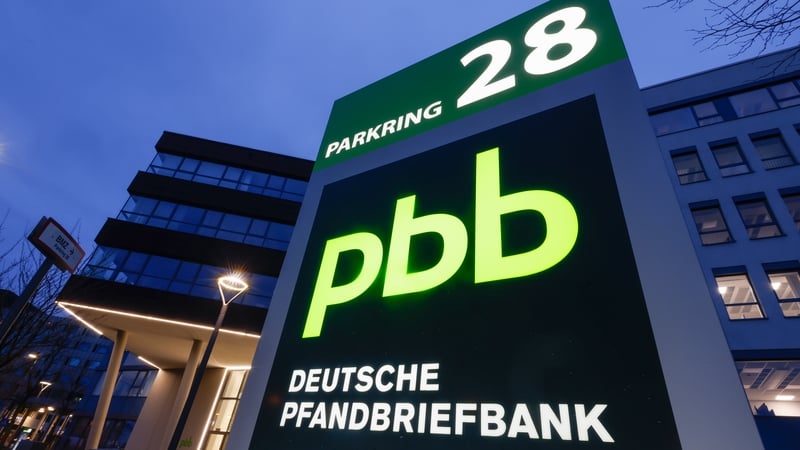
Deutsche Pfandbriefbank's (PBB) shares continued their decline today, dropping more than 3%, and its bonds remained under pressure amid concerns over its exposure to the US commercial real estate market.
The decline comes a day after the bank sought to reassure investors that it has enough funds to cope with a slump that has cast a shadow on numerous banks that have lent to the sector.
Higher interest rates, refinancing difficulties and lower office occupancy have hit the US commercial real estate sector in recent months, raising concerns about defaults.
A renewed selloff in some US regional banking shares this week has reignited fears about which lenders are most exposed.
The uncertainties will "keep the pressure high" on PBB in the short term, analysts with LBBW wrote in a note.
One of the bank's largest investors, the RAG Foundation, said that it had recently cut its stake in PBB to less than 3% from 4.5%.
"We are watching developments in the US real estate market very closely," RAG said in a statement to Reuters, though it declined to disclose details of talks with PBB.
Shares in the bank are down more than 27% so far this year.
PBB, listed on the small-cap SDAX index, is heavily focused on the real estate industry, and yesterday, in a second unscheduled announcement in two days, said its liquidity was twice the amount required by regulators.
On Wednesday, the bank reported an increase in risk provisions in the fourth quarter and described the environment as "the greatest real estate crisis since the financial crisis".
Citi analysts, which rate PBB a "sell", said the move provided some additional clarity but many details were missing.
Germany's financial regulator BaFin, which last month stepped up its warnings on the property sector, declined to comment on PBB specifically but said it was "keeping an eye" on the overall situation affecting commercial real estate.
